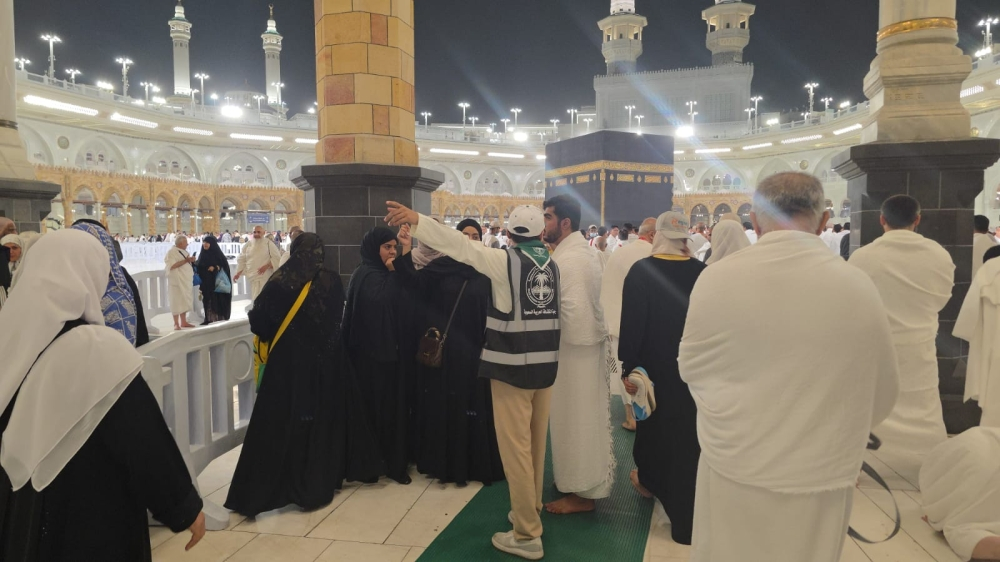
His Excellency the Minister of Islamic Affairs, Call and Guidance, Sheikh Dr. Abdul Latif Al-Sheikh, issued a directive to the preachers of mosques in various regions of the Kingdom of Saudi Arabia to dedicate next Friday’s sermon to talking about the virtues of the blessed month of Ramadan, and how to invest its days and nights in obedience to God, with a special focus on warning against the manifestations of extravagance and waste that contradict the purposes of fasting.
General context and importance of guidance
This directive comes as part of the pivotal role played by the Ministry of Islamic Affairs in unifying the message of Islamic outreach and guiding religious discourse to serve the needs of society and reinforce its Islamic values. The Friday sermon is one of the most important weekly platforms, reaching millions of worshippers, and unifying its theme, especially during significant religious seasons like Ramadan, is an effective tool for raising religious and social awareness and ensuring that a comprehensive and impactful message reaches all members of society.
Sermon themes: Between spirituality and behavior
The circular emphasized that the sermon should address several key themes. First, it should highlight the virtues of Ramadan, a month distinguished by great merits such as the opening of the gates of Paradise, the closing of the gates of Hell, the chaining of the devils, and the multiplication of rewards. The sermon should also urge Muslims to seize this opportunity for sincere repentance, to strive in acts of worship such as prayer, charity, and reciting the Quran, and to observe the fast, which aims to achieve piety and purify the soul. The second theme focuses on the social and humanitarian aspects, encouraging kindness towards the poor and needy, checking on their well-being, and striving to fulfill their needs. This embodies the values of solidarity and compassion that Islam calls for, especially during this blessed month.
Expected impact and addressing the phenomenon of extravagance
The third focus is on a pressing social and behavioral issue: the phenomenon of extravagance at Iftar meals. The directive emphasizes the importance of avoiding ostentatious displays of variety and excessive food consumption, whether at home or at charitable Iftar gatherings. This behavior not only represents a waste of resources but also starkly contradicts the wisdom of fasting, which calls for empathy with the poor and moderation in consumption. Addressing this phenomenon from religious platforms has a broad regional impact, as many Muslim communities struggle with food waste during Ramadan. This directive aims to instill a culture of moderation and gratitude, and to direct surplus money and food towards its proper uses to assist needy families. Finally, the directive stresses that fasting is not an excuse for neglecting academic or professional duties; rather, it is an incentive for diligence, hard work, and excellence in one's work, reflecting the true image of a productive and effective Muslim in their community.