French Foreign Minister Jean-Noël Barrot called on Iran to make “major concessions” in diplomatic negotiations to avert potential US strikes, asserting that Washington had positioned itself to launch a military operation but had simultaneously opened a path to negotiations that Tehran should seize. These remarks, made in an interview with the newspaper Libération, reflect growing European concern over escalating tensions in the Gulf region.
Background to the tension: Withdrawal from the nuclear agreement
The roots of the current crisis lie in former US President Donald Trump’s 2018 decision to unilaterally withdraw from the 2015 nuclear agreement (the Joint Comprehensive Plan of Action – JCPOA). This agreement, negotiated by Iran with world powers (the United States, France, Britain, Germany, Russia, and China), aimed to curb Iran’s nuclear program in exchange for the lifting of economic sanctions. The Trump administration deemed the agreement insufficient and reimposed harsh sanctions as part of a “maximum pressure” campaign to force Iran to negotiate a new agreement encompassing its missile program and regional policies.
The importance and impact of the French position
Barrot's call comes amid European, and particularly French, diplomatic efforts to preserve the nuclear agreement and prevent the collapse of diplomatic efforts. The French minister added that "Iran must cease being a source of threat to its regional neighbors and to our security interests." He also called on Iranian authorities to end internal repression, release prisoners, halt executions, and restore internet services, linking Iranian foreign policy to the domestic human rights situation.
Regional and international repercussions
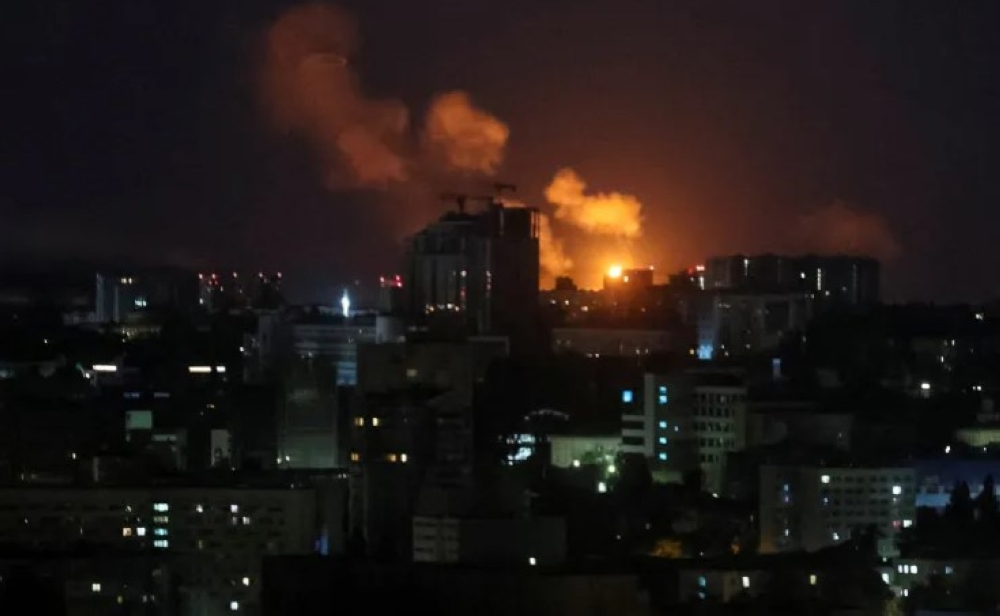
Any military confrontation between the United States and Iran would have repercussions far beyond their borders, impacting the entire Middle East and the world. A significant portion of the world's oil supply passes through the Strait of Hormuz, which Iran borders, and any disruption to shipping would lead to a dramatic surge in global energy prices. Neighboring countries, particularly in the Arabian Gulf, would be at the heart of the conflict, threatening their stability and security. For this reason, diplomatic efforts by countries such as Switzerland, Oman, and Japan have intensified in an attempt to de-escalate tensions and find common ground for dialogue between Washington and Tehran.
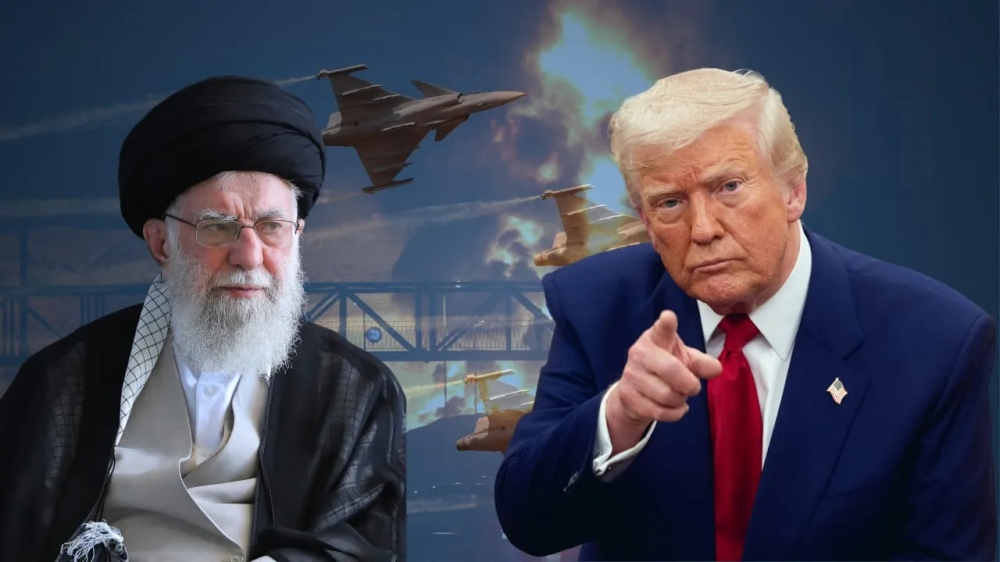
President Trump had previously stated that Iran was “talking” to the United States, indicating the existence of indirect channels of communication. However, he simultaneously reiterated his threats to bolster US forces in the region, saying, “We have a large fleet heading there.” This combination of threats and the opening of the door to negotiations presents Iran with difficult choices, a situation French diplomacy is attempting to exploit to push for a peaceful solution that would avert a devastating war in the region and the world.