In a significant diplomatic escalation reflecting the international community's growing concern over the human rights situation in Tehran, both France and Britain have issued sharp criticisms of the Iranian authorities for their violent crackdown on popular protests. These stances coincide with urgent US actions, including warnings to its citizens and the threat of military options, signaling further international isolation for the Iranian regime.
Macron: State violence undermines freedoms
French President Emmanuel Macron strongly condemned what he called "state violence" being used indiscriminately against protesters in Iranian cities. Reflecting Paris's commitment to supporting civil liberties, Macron affirmed his country's full support for those defending "fundamental freedoms.".
The French president wrote a strongly worded tweet on the X platform, saying: "I condemn the state violence that is indiscriminately targeting Iranian men and women who are courageously demanding respect for their rights." Macron stressed that respecting fundamental freedoms is not just a domestic matter, but a "universal obligation," affirming: "We stand with those who defend them," in a clear reference to European support for the popular movement.
London intervenes in the crisis
For its part, the British stance was no less harsh, with Foreign Secretary Yvette Cooper condemning what she described as the "appalling repression" of the protesters. This position followed a phone call Cooper made to her Iranian counterpart, Abbas Araqchi, in which she directly demanded an immediate end to the violence.
Cooper explained in her remarks that "the crimes and violent repression of peaceful protesters in Iran are appalling," noting that during her talks with the Iranian side she stressed the need to respect fundamental rights and freedoms, as well as to ensure the safety of British citizens in Iran, amid fears that they might be used as political bargaining chips.
Context of unrest and human rights concerns
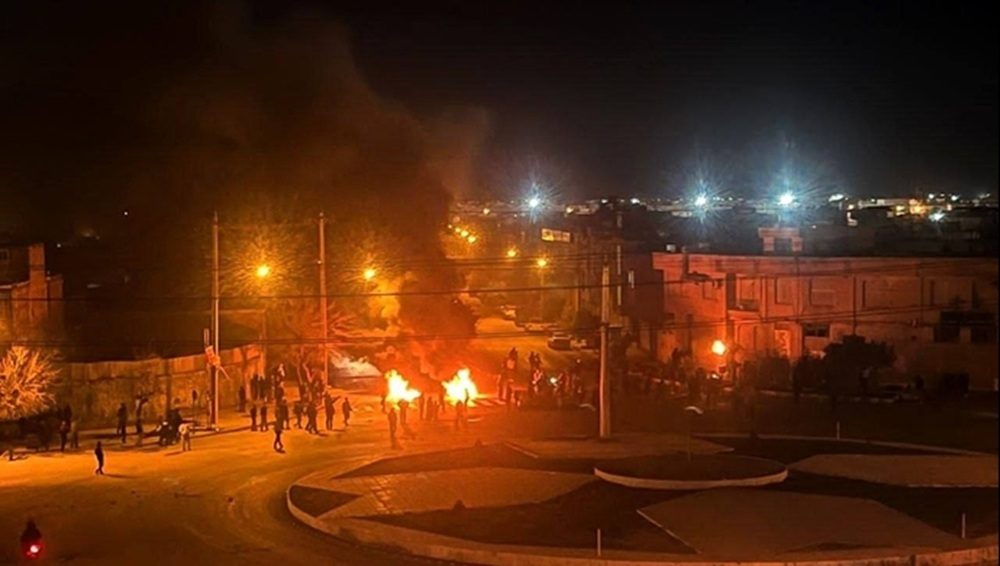
These international condemnations come at a time when Iran is experiencing recurring waves of protests, often sparked by economic or social grievances, which the authorities have met with excessive force. Reports accompanying these events indicate a high number of casualties, with figures circulating suggesting that at least 648 protesters have been killed since the protests began—a number that reflects the scale of the violence used against the demonstrators.
Observers believe that this pattern of security measures exacerbates the internal crisis in Iran and widens the gap between the regime and the public. It also puts Tehran in direct confrontation with human rights organizations and Western countries that consider human rights a fundamental pillar in their foreign relations.
Washington: Warnings and open options
Across the Atlantic, the United States took immediate precautionary measures, with Washington urging dual citizens (American and Iranian) to leave Iran immediately. The US State Department advised its citizens to use available border crossings through Armenia or Turkey for safe passage.
In a development reflecting the seriousness of the American position, the White House confirmed that President Donald Trump is keeping all options on the table, including the option of launching airstrikes against targets in Iran in response to the crackdown. Despite this military posturing, the US administration indicated that it is maintaining an open diplomatic channel with Tehran, in a strategy aimed at exerting maximum pressure while leaving room for political de-escalation.