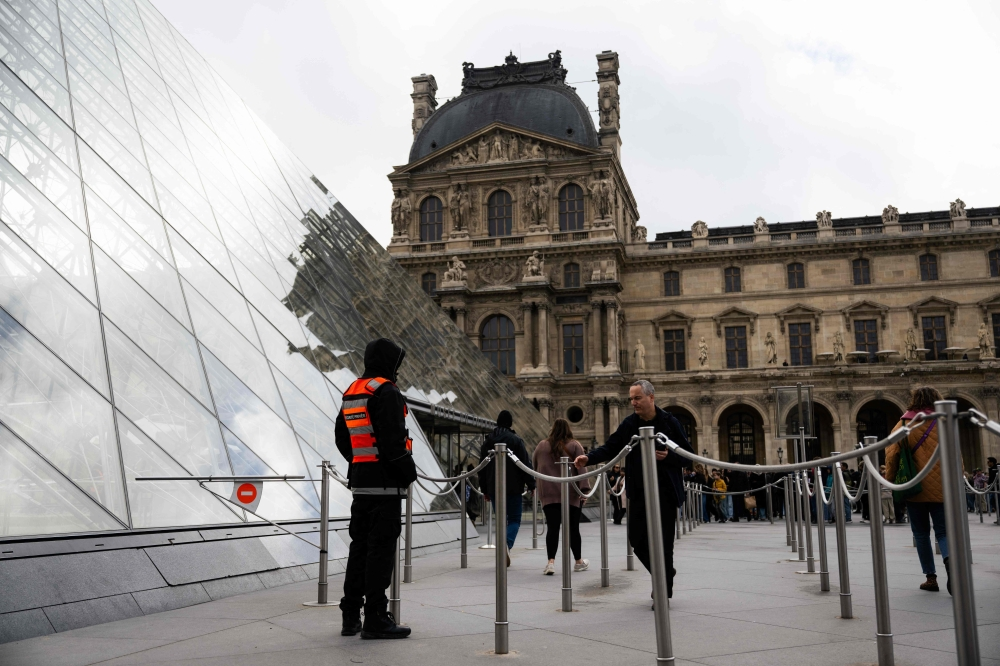
In a major security operation, French authorities announced on Thursday the dismantling of an organized fraud network targeting the ticketing system of the Louvre Museum, one of the world's most famous cultural landmarks. The operation resulted in the arrest of nine people and the seizure of assets exceeding €1.4 million, in a case that highlights the security challenges facing major cultural institutions.
The Paris prosecutor's office confirmed that those arrested include two tour guides, two Louvre employees, and a third individual suspected of being the mastermind behind the scheme. Investigators believe the fraudulent scheme had been active for nearly a decade, causing the museum losses estimated by its management at over €10 million. The suspects are scheduled to appear before an investigating judge on Friday to face the charges against them.
General context: The Louvre as a prized target
The Louvre, a former royal palace, is not only a symbol of French culture but also the most visited museum in the world, welcoming millions of visitors annually to admire its priceless artistic treasures, such as the Mona Lisa and the Venus de Milo. This immense popularity and consistently high demand for admission tickets makes it a prime target for organized crime networks seeking to exploit any vulnerabilities in ticketing systems, whether traditional or digital. Such networks typically rely on insider collusion to facilitate their operations and ensure their continued undetected activities for extended periods.
The importance of the event and its expected impact
The repercussions of this affair extend beyond direct financial losses, impacting the museum's reputation and credibility. Domestically, the incident raises serious questions about the effectiveness of internal control systems and security procedures at France's most important cultural institution. It also puts pressure on management to review and update its security protocols, particularly those concerning staff and external partners such as tour operators.
Regionally and internationally, this operation comes at a sensitive time as Paris prepares to host the 2024 Olympic Games, an event that will boost tourism to unprecedented levels. Therefore, the uncovering of this network sends a strong message about the French authorities' commitment to combating crime targeting the tourism sector, but it also reveals vulnerabilities that could be exploited by others. This case serves as a wake-up call for museums and major cultural institutions worldwide, alerting them to the need to strengthen their defenses against sophisticated fraud that has become increasingly complex with the digital transformation.