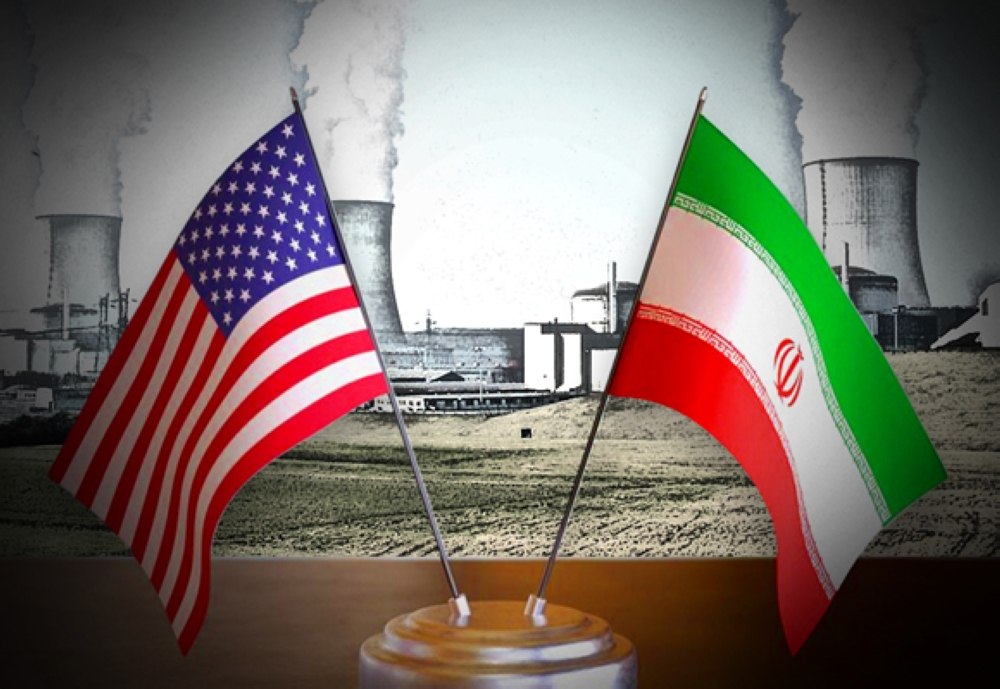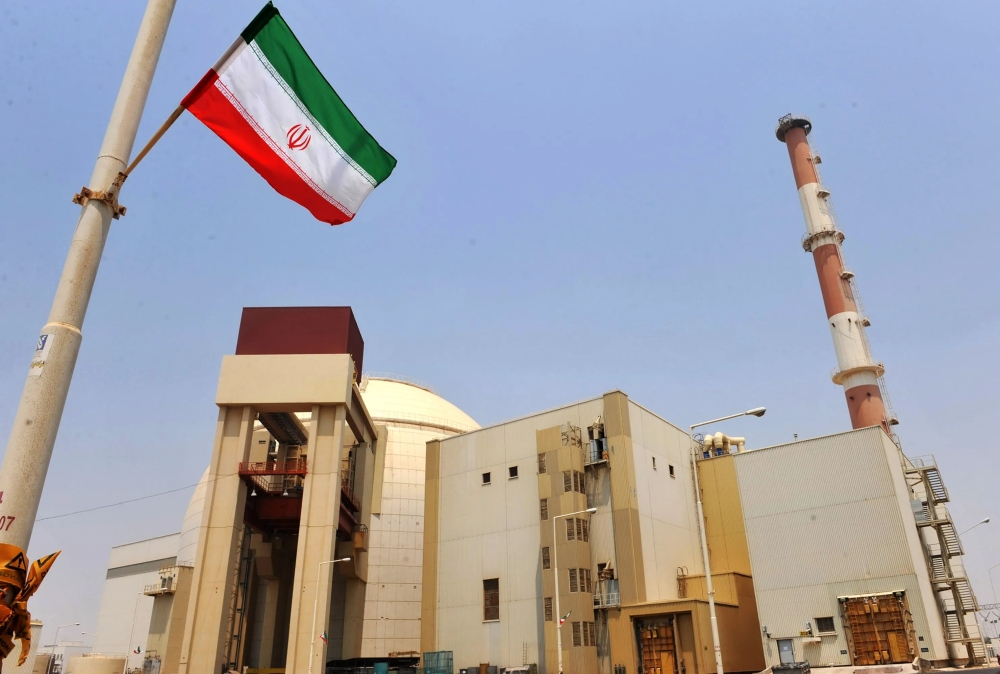
Amid escalating tensions surrounding the Iranian nuclear program, Paris reiterated that diplomacy and negotiation are the only way to permanently prevent Tehran from acquiring a nuclear weapon. This French stance comes at a time of increasing US pressure on Iran, including military buildups in the Middle East and harsh rhetoric from the US administration.
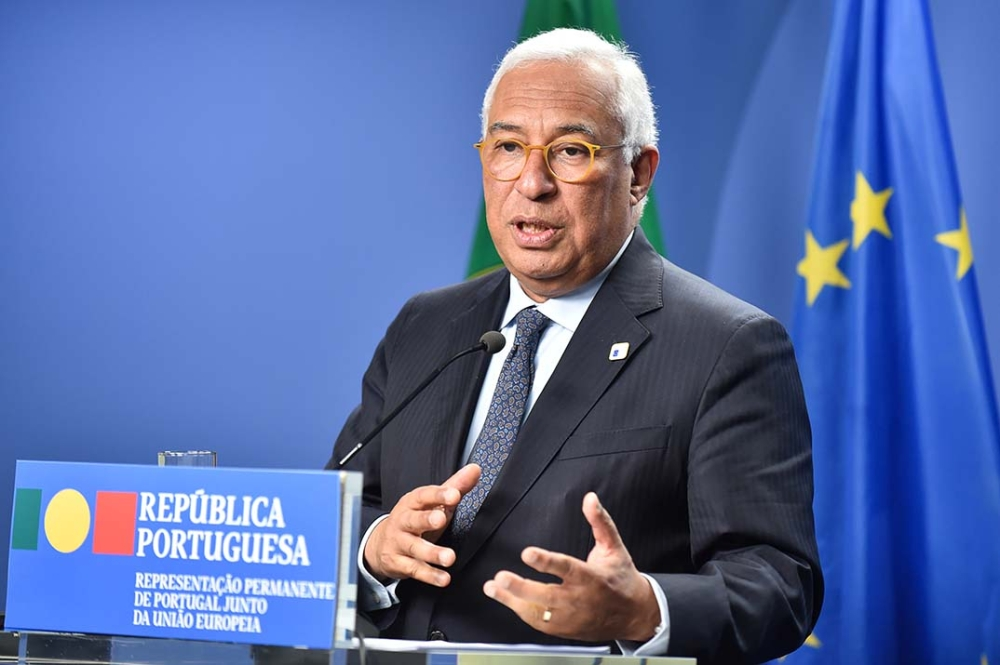
French Foreign Ministry spokesman Pascal Confavreau stated that Paris is monitoring developments “hour by hour” and is in constant contact with US authorities. He added, “We tell all parties involved that the priority must be negotiation, because it is the only way to permanently prevent Iran from acquiring a nuclear weapon.” France also stressed that regime change in Iran cannot be achieved through foreign intervention, emphasizing the need for dialogue to resolve existing differences.
Background to the crisis: The nuclear agreement and the US withdrawal
The roots of the current tension can be traced back to 2018, when then-US President Donald Trump announced the United States' withdrawal from the Joint Comprehensive Plan of Action (JCPOA), commonly known as the Iran nuclear deal. This landmark agreement was signed in 2015 between Iran and the P5+1 group of world powers: the United States, Britain, France, Russia, China, and Germany. The agreement stipulated significant restrictions on Iran's nuclear program and placed it under strict international monitoring in exchange for the lifting of economic sanctions.
Following the withdrawal, Washington reimposed harsh economic sanctions on Tehran as part of a policy it called “maximum pressure,” aimed at forcing Iran to negotiate a new agreement on stricter terms. In response, Iran began gradually rolling back some of its commitments under the agreement, such as increasing uranium enrichment levels, while asserting its right to develop its nuclear program for peaceful purposes.
Importance and potential impacts
The Iranian nuclear program has serious repercussions at the local, regional, and international levels. Regionally, Iran's nuclear ambitions are a source of concern for neighboring countries, particularly Saudi Arabia and Israel, potentially pushing the region into a devastating nuclear arms race that threatens the stability of the entire Middle East. Any potential military confrontation could lead to the closure of vital shipping lanes such as the Strait of Hormuz, directly impacting global energy supplies and driving oil prices to record highs.
Internationally, Iran's acquisition of nuclear weapons would be a devastating blow to the global nuclear non-proliferation regime and could encourage other countries to follow suit. For this reason, European powers, particularly France, are striving to keep diplomatic channels open, recognizing that a complete collapse of the nuclear agreement would open the door to unpredictable scenarios.
The French position comes in the context of escalating American warnings, as President Trump gave Iran a short timeframe to reach a new deal, threatening “bad things” if it does not comply, which further complicates the situation and puts the region on the brink of a dangerous confrontation.