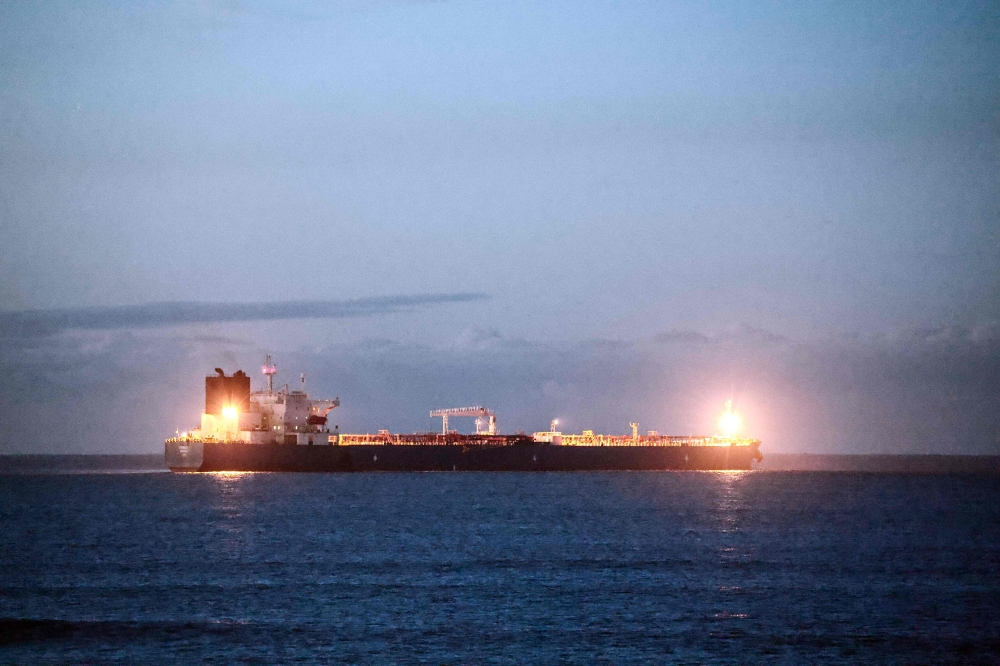
In a move reflecting increased European scrutiny of Russia's attempts to circumvent international sanctions, French authorities announced on Sunday the arrest of the Indian captain of the oil tanker "Greenwich," suspected of belonging to Russia's so-called "ghost fleet." The tanker was detained in the Mediterranean Sea on Thursday by the French navy for not flying a flag and is now docked under heavy guard in the port of Fos-sur-Mer, near Marseille.
Details of the operation and its initial repercussions
The Marseille public prosecutor's office, which is handling the investigation, reported that the 58-year-old captain has been detained, while the rest of the crew, all of Indian nationality, will remain on board. The tanker, the Greenwich, was escorted on Saturday to the Bay of Fos, where it is currently anchored about 500 meters from the shore, surrounded by a French navy vessel and gendarmerie boats, underscoring the high security priority France is placing on this case.
What is a “ghost fleet”? Historical and economic context
The term “ghost fleet” emerged prominently after Russia’s invasion of Ukraine in February 2022 and the imposition of stringent sanctions on Russia’s energy sector by Western countries, led by the G7 and the European Union, including a price cap on oil. To circumvent these restrictions, Moscow has resorted to assembling a massive fleet of aging tankers operating outside the usual regulatory and legal frameworks. These vessels employ deceptive tactics, such as frequently changing their flags, sailing under misleading flags, or disabling their Automatic Identification System (AIS) transponders to avoid detection and tracking, making their operations highly risky both environmentally and in terms of security.
Strategic importance and impact of the incident
This incident is more than just a maritime violation; it represents a link in the chain of the ongoing economic conflict between Russia and the West. The "ghost fleet" aims to ensure the continued flow of Russian oil revenues, a vital lifeline for financing the war effort and supporting the Russian economy in the face of sanctions. Therefore, France's move is of paramount importance on several levels:
- At the local level: The case represents a test for the French judicial system in dealing with complex violations of international sanctions, and sets a legal precedent for how to deal with the ships of this fleet.
- At the regional level: France is sending a firm message to its partners in the European Union about the need to join forces to strictly enforce sanctions, especially in light of the environmental risks posed by these dilapidated tankers to European coasts, particularly in the crowded Mediterranean Sea.
- At the international level, this process increases pressure on companies and countries that facilitate the operations of the “ghost fleet,” whether through insurance services or ship registration. It also highlights the challenges facing the international community in imposing an effective sanctions regime against complex global networks designed to circumvent it.