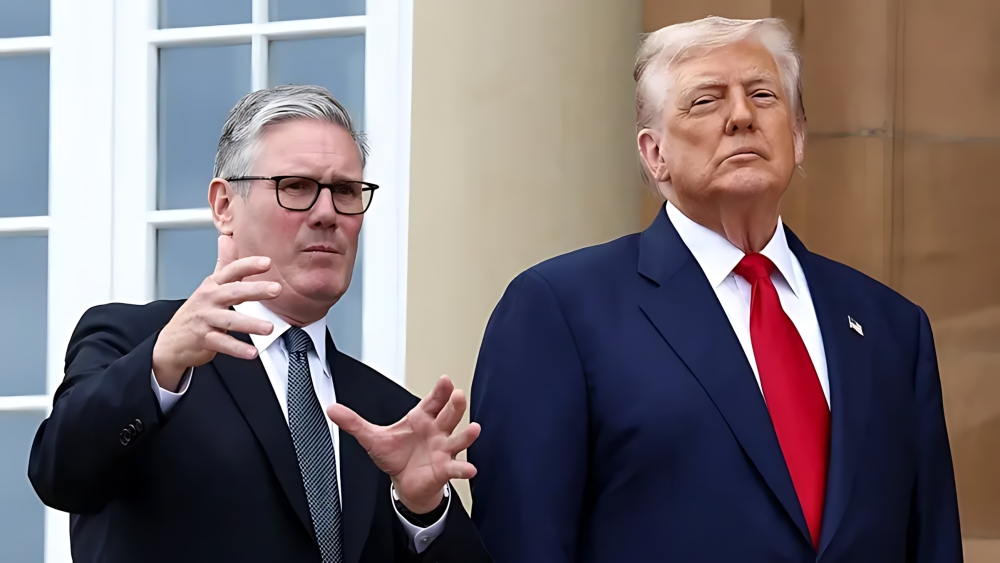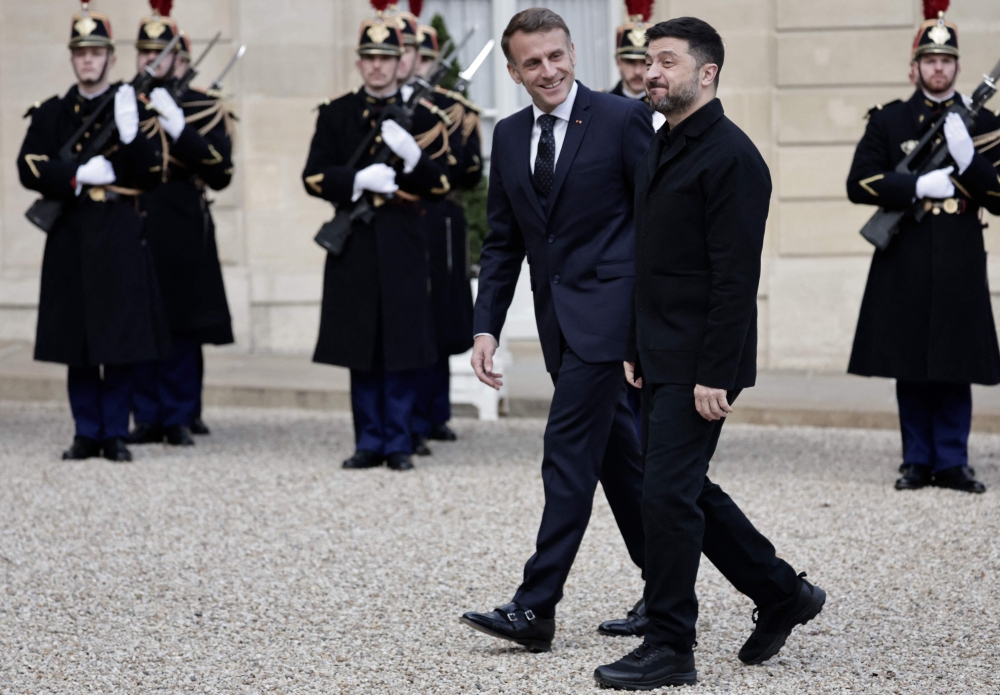
Amid escalating international tensions, a source close to French President Emmanuel Macron revealed new information regarding Russia's recent accusations against Ukraine. The source confirmed that Paris, after careful examination and consultation with its international partners, found no conclusive evidence to support Moscow's claim that Russian President Vladimir Putin's residence was attacked by Ukrainian drones, noting that the Russian narrative suffers from clear internal contradictions.
French skepticism and the contradictions in the Russian narrative
The French source explained that Moscow's accusations lacked both factual and intelligence basis, stating, "Moscow's accusations against Ukraine of attacking a residence belonging to President Putin are not based on any conclusive evidence, even after verifying the information with our partners." The source added that Russian authorities appeared to contradict themselves in recounting the details of what actually happened, raising doubts about the credibility of the entire incident. The source considered the continuation and intensification of Russian airstrikes at this time to be, in itself, "an act of defiance" against the peace agenda that US President Donald Trump is trying to establish.
Zelensky denies it, and Trump reveals details of the call
For his part, Ukrainian President Volodymyr Zelenskyy categorically denied the Russian accusations, calling them a "lie" intended by Moscow to create a pretext for launching new and violent retaliatory attacks on the capital, Kyiv. Zelenskyy asserted that these allegations were an attempt to undermine ongoing diplomatic efforts, especially as they coincided with his important meeting with US President Donald Trump in Florida.
In a related development, US President Donald Trump commented on the incident, revealing a phone call he had with the Russian president, during which Putin informed him of the attack while in a state of extreme anger. Trump indicated that the current timing was "not appropriate for doing something like this," alluding to the sensitivity of the ongoing negotiations.
The political context and its impact on peace negotiations
These developments are of paramount importance given their sensitive timing; they come amidst intensive diplomatic negotiations that have been underway behind the scenes since last November, aimed at ending the bloodiest war in Europe since World War II. Observers believe that such accusations of "assassination attempts" or targeting of presidential headquarters are often used as political leverage or pretexts for a major military escalation, threatening to derail the fragile peace process.
The exchange of accusations at this high level presents the international community with significant challenges in keeping communication channels open, as experts fear that this verbal and field escalation could close the window of opportunity currently available for reaching a political settlement, potentially dragging the region into a wider spiral of violence.