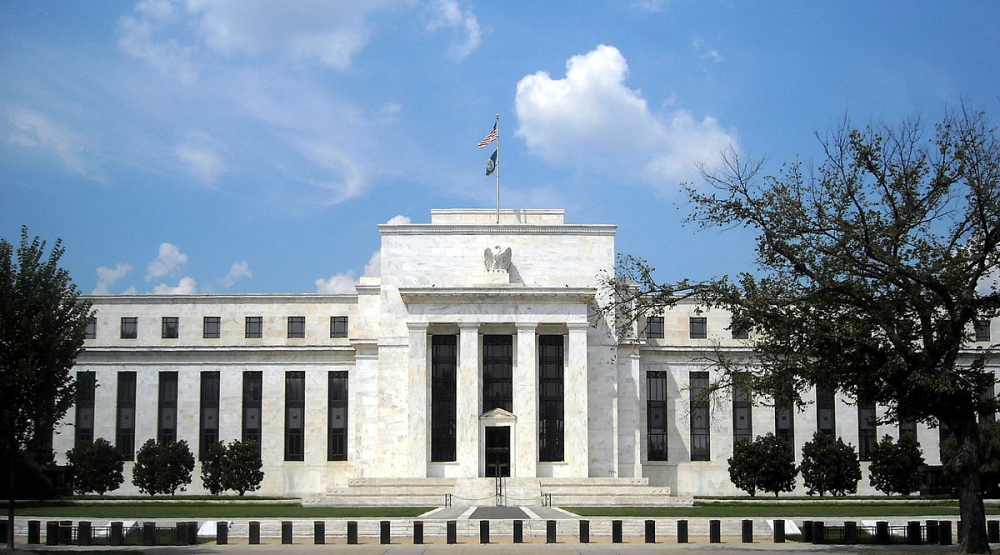
Stephen Miran, a former U.S. Treasury official, has called on the Federal Reserve to adopt a more accommodative monetary policy, proposing four interest rate cuts this year. This call comes as investors and global markets await the next steps from the world's most powerful central bank, following its most rapid monetary tightening campaign in decades.
In an interview with Fox News, Miran noted that the strong jobs data recorded by the US economy in January was a "good sign," but cautioned that underlying risks could threaten the stability of the labor market. According to his view, inflation is no longer the primary problem facing the economy, which opens the door for the Federal Reserve to act proactively to support growth and avert any potential slowdown. He explained, "I think the labor market could benefit from additional support from the Federal Reserve, through four rate cuts this year.".
The general context of the Federal Reserve's monetary policy
Miran's remarks come against the backdrop of an intensive interest rate hike cycle initiated by the Federal Reserve in March 2022 to curb inflation, which had reached its highest level in 40 years. During this period, the central bank raised its benchmark interest rate from near zero to a range of 5.25% to 5.50%. Since its July 2023 meeting, the Fed has decided to hold interest rates steady, while leaving the door open for future cuts depending on incoming economic data. This has created a debate between monetary policy hawks, who favor keeping rates high for longer, and doves, who believe easing should begin soon.
The importance and impact of the expected interest rate cut
The decision to lower interest rates is of paramount importance on several levels. Domestically , lower interest rates reduce borrowing costs for businesses and consumers, encouraging investment and spending and supporting vital sectors such as real estate and automobiles. It also typically boosts stock markets, as fixed-income investments become less attractive.
Internationally , the Federal Reserve's decisions directly impact global economies. Lowering interest rates tends to weaken the US dollar, easing pressure on emerging market economies with dollar-denominated debt. This move could also prompt other central banks around the world to adopt similar strategies to remain competitive and attract capital. Thus, if Miran's vision is realized, it could represent a turning point not only for the US economy but for the entire global financial landscape, ushering in a new era of low-cost liquidity.