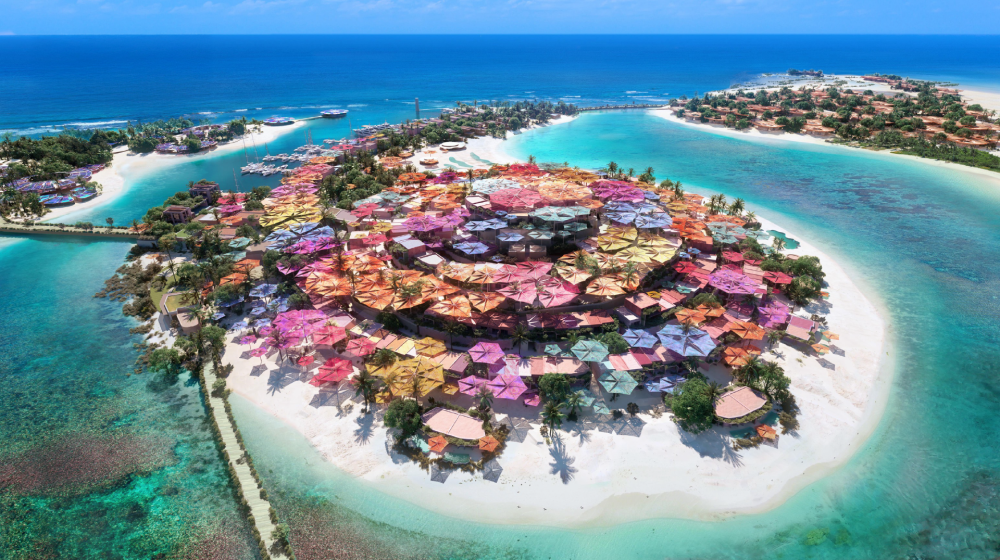
Saudi Arabia is preparing for a new phase in the history of its real estate market, as the system for foreign ownership of real estate and acquisition of real rights over it will come into effect as of January 2026. This strategic shift comes after the decision was officially published in the Umm Al-Qura newspaper, representing a pivotal step within the series of legislative reforms that the Kingdom is witnessing.
The context of Vision 2030 and economic transformation
This decision cannot be viewed in isolation from the broader context of Saudi Vision 2030, which primarily aims to diversify the Kingdom's sources of income and reduce its reliance on oil. Opening the real estate market to foreign investment is a key pillar for attracting foreign direct investment (FDI) and enhancing the business environment. This step complements other initiatives such as the Premium Residency program and the requirement for international companies to relocate their regional headquarters to Riyadh, creating genuine and sustainable demand for residential and commercial real estate from non-Saudis.
System details and targeted areas
Minister of Municipalities and Housing, Majid Al-Hogail, outlined the features of this system, indicating that residential property ownership for foreigners will encompass most cities in the Kingdom, with special regulations for four major cities: Mecca, Medina, Jeddah, and Riyadh. While the residential sector is subject to these geographical restrictions, the system opens doors wide for the commercial, industrial, and agricultural sectors, where ownership will be available to foreigners in all cities of the Kingdom without exception, thus enhancing the attractiveness of the investment environment for major projects.
Legal and regulatory controls
The system takes into account the unique status of the Two Holy Mosques, establishing clear exceptions for the cities of Mecca and Medina. Only Muslim residents are permitted to own property within the boundaries of these two cities, subject to specific regulations. Meanwhile, companies listed on the Saudi Stock Exchange and investment funds are allowed to own property in these cities regardless of the nationality of their partners, as determined by the Capital Market Authority and the General Authority for Real Estate. This balances economic openness with religious privacy.
Fees and penalties to ensure transparency
To regulate the market and prevent harmful speculation, the regulations stipulate a fee not exceeding 5% of the value of real estate transactions by non-Saudis. The legislator also established strict penalties to ensure compliance, with violators, or those providing misleading information, facing fines of up to 10 million Saudi riyals, in addition to the possibility of the property being sold by court order. These measures aim to protect the real estate market and enhance transparency and reliability in transactions.
This system is expected to contribute to raising the percentage of Saudis owning homes - which aims to reach more than 66% - by stimulating real estate development and increasing the supply of diverse housing units that meet all needs.