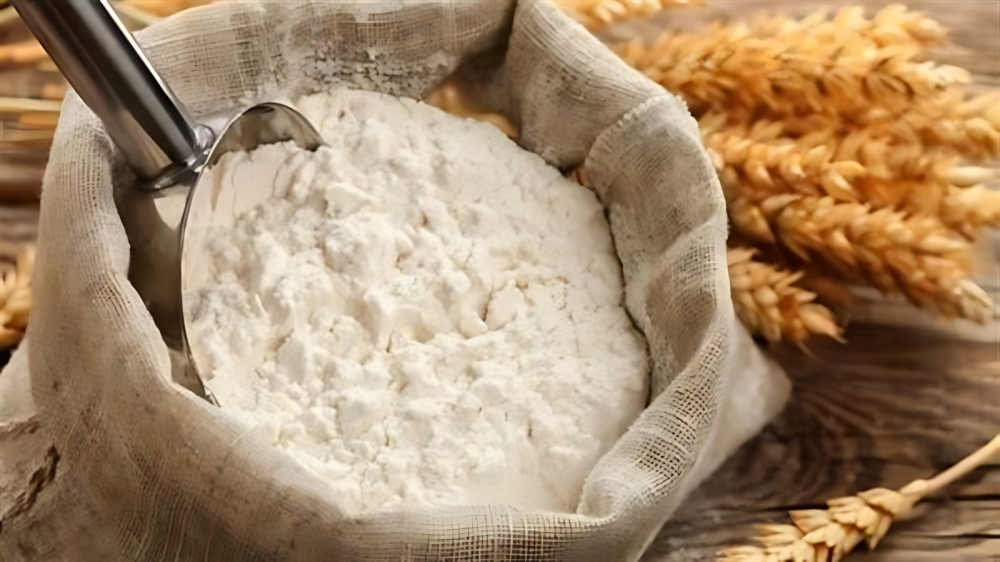
Recent data released by the General Authority for Statistics in Saudi Arabia revealed a decrease in flour prices during January on a monthly basis, while rice prices, another strategic commodity, showed significant fluctuations. These changes reflect the complex dynamics of the local market and its sensitivity to global trends, and highlight the government's ongoing efforts to ensure the stability of prices for essential food commodities for consumers.
Details of changes in grain and bread prices
According to the January bulletin on average prices of goods and services, flour prices saw slight but significant decreases. The price of wholemeal flour fell by 0.3% to an average of SAR 3.1. Similarly, the price of locally produced white flour decreased by 0.4%, reaching SAR 4.7 for a 2 kg bag. These decreases, though modest, contribute to easing the cost of living for Saudi families and support price stability for products that rely on flour, such as bread and pastries.
In contrast, rice prices showed mixed performance. Indian rice fell by 0.4% to SAR 80.6 for a 10 kg bag, while basmati rice rose by 0.2% to SAR 95.7 for the same size. This variation reflects differences in import sources, shipping costs, and crop-related factors in exporting countries. Regarding other commodities, the price of white flatbread remained stable at SAR 1.1, confirming the success of government subsidies for this essential item, while local pasta prices declined by 0.2%.
General context and efforts to achieve food security
These price changes come within the context of a comprehensive national strategy aimed at enhancing food security in the Kingdom, a key pillar of Saudi Vision 2030. The Kingdom relies heavily on imports of grains such as wheat, rice, and barley to meet growing domestic demand. To hedge against global market volatility, the government, through the General Authority for Food Security (formerly SAGO), manages a substantial strategic wheat reserve sufficient to cover consumption for several months, providing it with resilience to any disruptions in global supply chains.
Historically, global food commodity prices have been influenced by multiple factors, such as climate change affecting crops, geopolitical tensions disrupting shipping routes, and export policies in major producing countries. Therefore, domestic price stability reflects not only internal supply and demand but also proactive policies and close monitoring of international markets.
Importance and expected impact on the economy and the consumer
Stable flour and bread prices are of paramount importance to Saudi consumers, as these staples are an essential part of their daily diet. Any decrease in prices positively impacts household purchasing power, particularly for those with limited and middle incomes. It also supports the food and beverage sector, including bakeries and restaurants that rely on flour as a primary ingredient.
On a broader economic level, monitoring commodity prices is a key tool for the Saudi Central Bank and other government entities in managing inflation. Maintaining low and stable inflation encourages investment and strengthens confidence in the national economy. January data demonstrates the Saudi economy's ability to absorb external shocks and maintain relative stability in essential commodity prices, which is a positive indicator for the future.