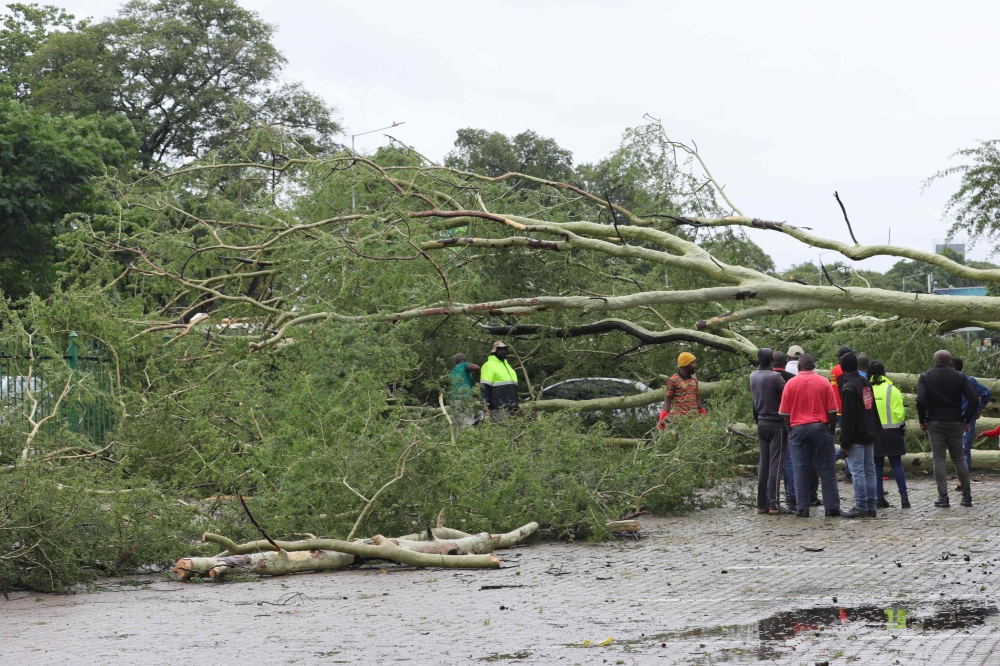
Southern Africa has been struck by a tragic natural disaster in recent days, with torrential rains and devastating floods claiming the lives of more than 100 people across South Africa, Mozambique, and Zimbabwe. Local authorities in these countries have declared a state of emergency, warning of continued unstable weather conditions and forecasts of further rainfall that could exacerbate the humanitarian crisis.
Details of human and material losses
According to official reports, South Africa has recorded at least 19 deaths in two northern provinces as a result of flash floods that began last month and have destroyed infrastructure in several areas. In neighboring Mozambique, the situation is even more dire, with the Institute for Disaster Management and Risk Reduction reporting 103 deaths due to an exceptionally heavy rainy season that began late last year, making it the country most affected by this wave of flooding.
Geographical and climatic context of the disaster
Southern Africa, and Mozambique in particular, is geographically vulnerable to water-related natural disasters. Located at the mouths of several major rivers flowing from upstream neighboring countries like Zimbabwe and South Africa, Mozambique is susceptible to periodic flooding whenever water levels rise in the upstream countries. Meteorologists indicate that these extreme events are becoming more frequent and intense due to global climate change, which directly impacts weather patterns across the African continent.
Expected economic and humanitarian repercussions
The effects of these floods extend far beyond the tragic loss of life, encompassing long-term economic and humanitarian consequences. These flash floods typically wash away vast swathes of farmland, threatening food security in countries heavily reliant on subsistence farming. Furthermore, the destruction of bridges and roads hinders the delivery of aid and relief to isolated villages, increasing the risk of waterborne diseases due to contaminated drinking water sources.
Calls for preparedness and international assistance
Amid ongoing warnings from meteorological agencies about continued severe weather, the governments of the three countries face immense challenges in evacuation and shelter operations. Calls are growing for the international community and relief organizations to provide urgent support, whether through medical or food aid, or by supporting reconstruction projects to strengthen these communities' resilience to future disasters, which have become a recurring reality in the region's climate.