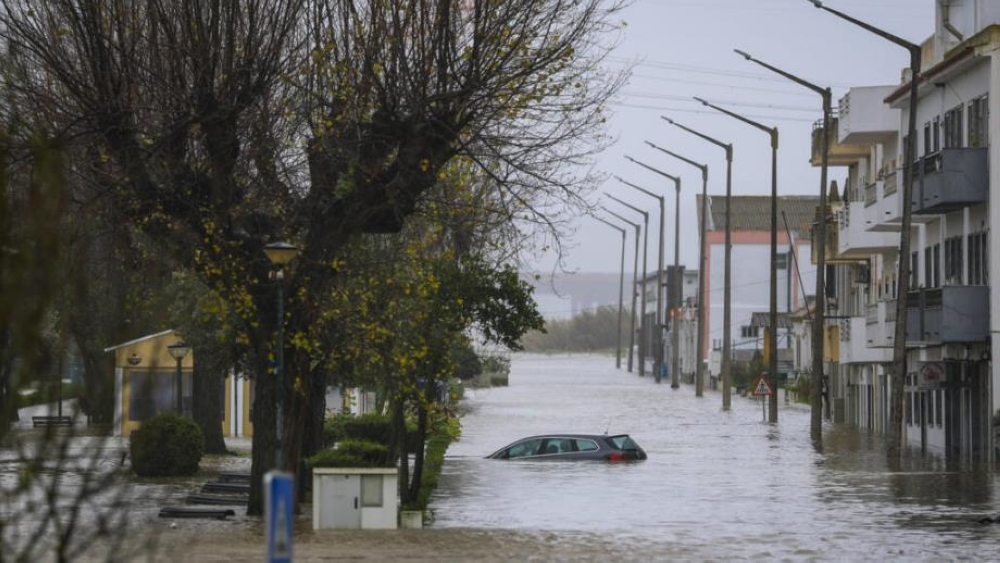
Authorities in Italy's Calabria region have requested a new national state of emergency following days of severe weather that brought torrential rains, devastating floods, and widespread landslides. The disaster has once again highlighted the vulnerability of southern Italy's infrastructure to extreme weather events.
Details of the damage and the authorities' response
The president of the Calabria region, Roberto Occhiotto, confirmed in an official statement that the region had faced “fierce winds, torrential rain, and storm surges” over the past 48 hours, leading to landslides, flooding, and a dangerous rise in river levels. He added that vital sectors of the local economy were affected, with agriculture, livestock, and fishing being particularly hard hit by the violent storm, which devastated vast areas of countryside, crops, and agricultural infrastructure. Despite the scale of the material damage, authorities confirmed that no casualties or missing persons have been reported so far, thanks to the rapid response of emergency teams. Firefighters carried out nearly 2,000 interventions in 72 hours across Calabria, Sardinia, and Sicily, focusing on rescue operations, clearing obstacles, and securing affected areas.
General context: Italy and the challenges of climate change
This incident is not isolated. Italy, by virtue of its geography and topography, is highly vulnerable to natural disasters. The mountainous region of Calabria is among the areas most susceptible to landslides and floods. Factors such as sometimes unregulated urban sprawl and construction in hazardous areas exacerbate the problem. Experts point to climate change as a key factor in increasing the frequency and intensity of these extreme weather events in the Mediterranean basin, where prolonged droughts followed by intense rainfall have become a recurring pattern, placing immense pressure on soil and infrastructure.
Importance and expected effects
Declaring a state of emergency, if approved by the central government in Rome, would enable Calabria to access exceptional funding and administrative facilitations to expedite reconstruction and provide direct support to affected farmers, businesses, and residents. Nationally, this disaster has renewed the debate on the need for greater investment in climate-resilient infrastructure and the development of national risk management plans to protect the most vulnerable regions. Regionally and internationally, the events in Calabria exemplify the challenges facing Southern European countries, which are on the front lines of the negative impacts of global warming, highlighting the need for concerted efforts to adopt more effective environmental policies and transition towards a sustainable economy.