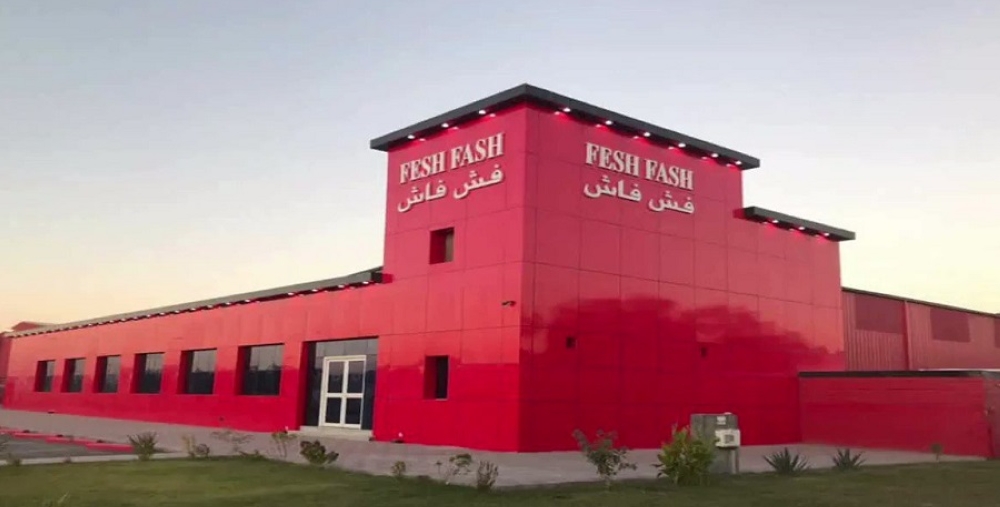
Financial indicators recorded a significant decline in the profits of Fish Fash Food Company during the fiscal year 2025, as the results showed a decrease of 8.4% to reach 3.7 million Saudi riyals, compared to net profits of 4 million riyals during the previous year 2024. This decline reflects the economic and operational challenges facing companies operating in the food and beverage sector within the Saudi market in light of the current changes.
The company's journey in the Saudi food industry sector
Fish Fash is a well-established and reputable brand among Saudi consumers in the snack food industry. Since its inception, the company has played a prominent role in meeting the local market's demand for light food products and has built a broad customer base. With its listing on the Nomu Parallel Market within the Saudi Stock Exchange (Tadawul), the company is now subject to transparency and financial disclosure standards, making its financial reports an important indicator for investors regarding the performance of the snack food sector and its ability to adapt to rapidly changing economic conditions.
Reasons for the decline in Fish Fash's profits and operational challenges
According to the official statement published by the company on the Saudi Stock Exchange (Tadawul), the primary reason behind the decline in Fish Fash's profits is directly attributable to a significant increase in operating costs. This increase resulted from higher fuel prices, particularly diesel, which is a crucial component in manufacturing processes and supply and distribution chains. Furthermore, increased government payments also contributed to the pressure on profit margins, ultimately leading to a reduction in the company's net annual income despite continued strong market demand for its products.
The impact of economic variables on the consumer goods sector
The impact of rising energy costs and operating expenses is not limited to a single company, but extends to the entire FMCG sector in the Kingdom. The increase in diesel prices is immediately reflected in the cost of logistics and distribution to retail outlets, presenting companies with a double challenge: either absorbing these costs at the expense of profit margins, or passing them on to the end consumer, which could affect sales volume. This underscores the importance of prudent financial management to overcome these temporary challenges.
Expansion strategy and adjustment of the capital increase plan
In a strategic move aimed at strengthening its financial position and supporting future growth plans, the company announced a significant change to its capital structure. Management explained that, following a thorough review of retained earnings in the audited financial statements for 2025, the Board of Directors decided to recommend a 75% capital increase, instead of the previously proposed 50%.
Details of the free share grant to shareholders
The capital increase will be achieved by capitalizing a portion of retained earnings and issuing bonus shares to existing shareholders. Under this decision, three bonus shares will be granted for every four shares held by each shareholder. As a result, the company's total capital will increase from SAR 11.3 million to SAR 19.77 million. This move sends a strong message of reassurance to investors, confirming the company's ability to utilize its accumulated profits to finance operational expansions and enhance its production efficiency to meet any future cost increases. This will strengthen its financial stability and competitiveness in the Saudi market in the long term.