An anticipated astronomical phenomenon in the region's skies
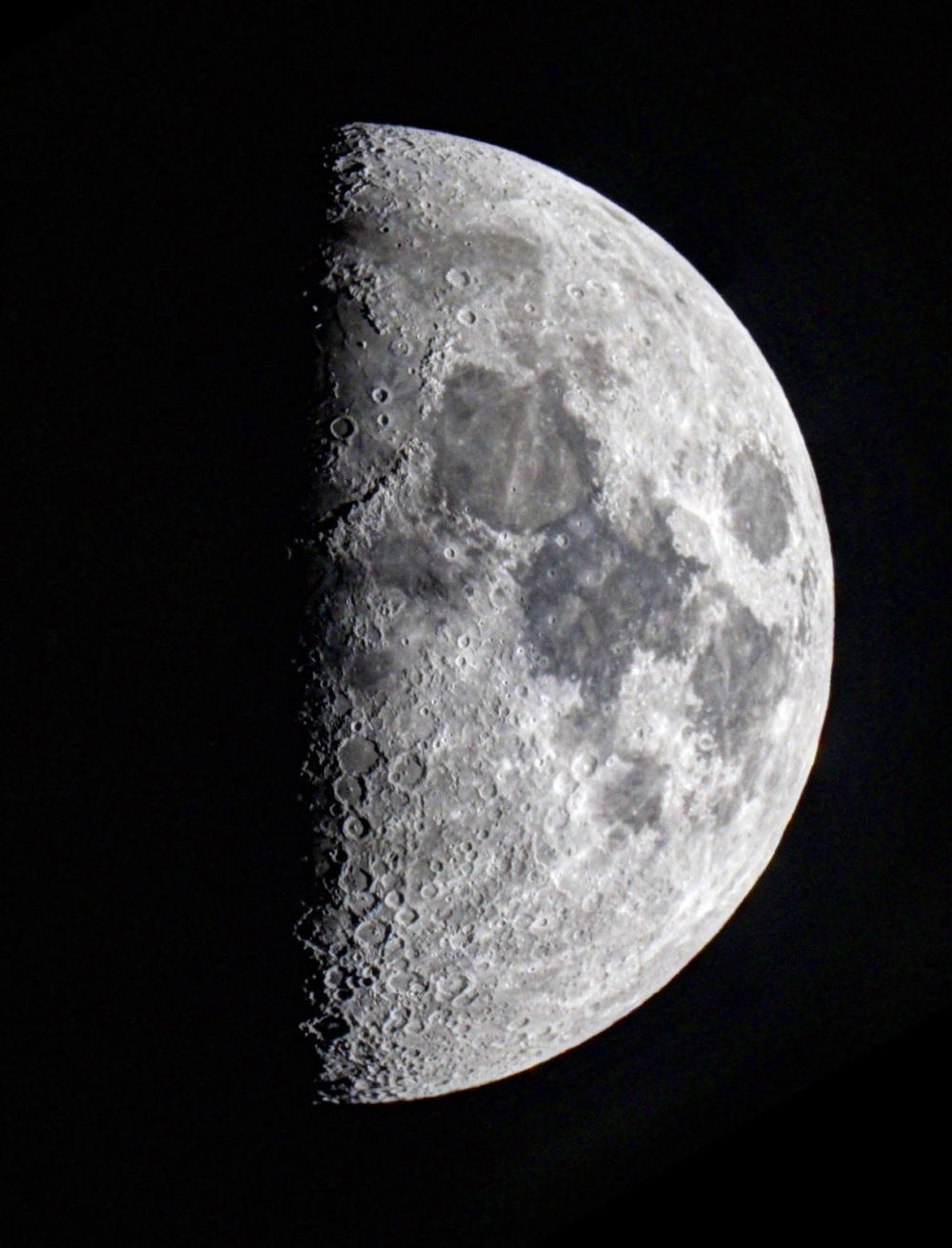
Astronomy enthusiasts and photographers across the Arab world will be watching a remarkable astronomical phenomenon this evening, Friday, November 28, 2025, as the moon reaches its first quarter phase for the month of Jumada al-Thani. Engineer Majid Abu Zahra, head of the Jeddah Astronomical Society, explained that this event presents an exceptional opportunity to observe the lunar surface with unparalleled clarity.
According to astronomical calculations, the moon will reach its first quarter phase at 9:58 AM Mecca time (6:58 AM GMT). At this moment, the moon will have completed a quarter of its monthly orbit around the Earth, and the angle between it, the sun, and the Earth will be perpendicular (90 degrees), meaning we will see half of its face illuminated by sunlight and the other half in darkness.
The scientific context and historical background of the phases of the moon
The phases of the moon are an integral part of humanity's scientific and cultural heritage. Since the dawn of history, humankind has relied on the lunar cycle to determine time and organize calendars, most notably the Islamic calendar, which depends entirely on the sighting of the new moon. The moon goes through eight main phases during its approximately 29.5-day cycle, beginning with the new moon, then the waxing crescent, the first quarter, the waxing gibbous, and finally the full moon. Afterward, it begins to wane through the waning gibbous, last quarter, and waning crescent phases before returning to the new moon again.
The first quarter phase is of particular importance, as it was used by sailors and travelers in ancient times for navigation, and it also represents an important stage in modern astronomical studies that aim to understand the geology and history of the moon.
The importance of the event and the best monitoring methods
The first quarter phase is of paramount importance as it is the ideal time to observe the lunar surface features. The line separating the illuminated and dark portions of the Moon, known astronomically as the terminator, is the stage for long shadows cast by lunar mountains and craters. This sharp contrast between light and shadow gives the landscape depth and three-dimensionality, allowing impact craters, mountain ranges, and valleys to be seen with stunning clarity even with the simplest equipment.
For the best viewing, engineer Abu Zahra recommends using binoculars or a small telescope. As evening falls, the moon will appear high in the southern sky after sunset, making it an easy target for observation from any location with a clear horizon and no light pollution. Over the coming days, the moon will continue its journey across the sky, its illuminated area increasing night by night, as it approaches its full phase—a spectacle eagerly awaited by millions around the world.