Finland, a new member of NATO, has described the idea of Europe assuming responsibility for nuclear deterrence independently of the United States as “unrealistic” at present. This stance was expressed by Finnish Defense Minister Antti Häkkanen, in remarks reflecting growing concern in European circles about the future of US security commitments to the continent.
Hakanen emphasized on Tuesday that the idea of replacing the American nuclear umbrella with a purely European deterrent force is impractical under current circumstances. He stated, “We have full confidence in the agreement reached last year within NATO, which stipulates that the United States is fully committed to the Alliance’s nuclear deterrent.”.
Background of the debate and its historical context
This debate comes at a crucial time for European security. Since the end of World War II, Europe has relied heavily on the American nuclear umbrella as a primary guarantee of its security, a dependency enshrined in the NATO alliance. However, doubts have been growing about the continuity of this support, particularly in light of volatile American political pronouncements and the possibility of a return to an administration that might pursue an isolationist foreign policy. Russia’s invasion of Ukraine in 2002 accelerated these concerns, prompting European leaders to reassess their defense strategies and explore ways to enhance Europe’s “strategic autonomy.”.
The importance of the event and its expected impact
Finland’s perspective is particularly significant given its sensitive geographic location, sharing a long border with Russia, and its history of security challenges. As a direct beneficiary of NATO security guarantees, Finland’s position reflects that of many Eastern and Northern European countries that view the transatlantic alliance as the cornerstone of their security. Regionally, this debate highlights a potential divide within Europe between countries that support deepening ties with Washington and those advocating for the development of independent European defense capabilities, most notably France and Germany. Internationally, any shift in the nuclear deterrent architecture could fundamentally alter the global balance of power.
Details of the Finnish position
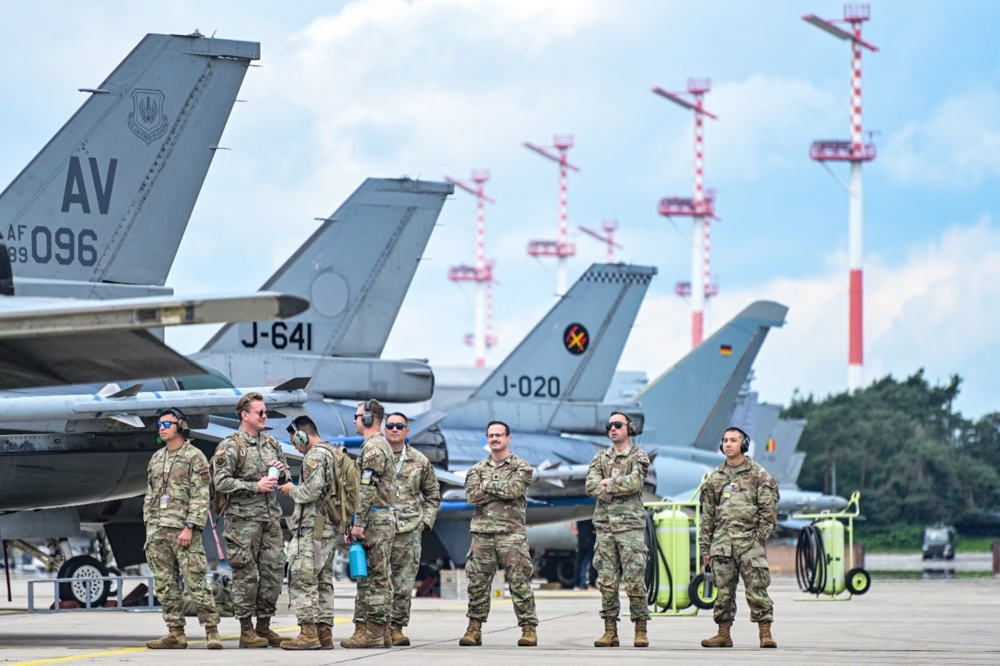
Despite describing the idea as unrealistic, Minister Hakanen welcomed any discussion aimed at “strengthening European nuclear deterrence,” explaining that increased investment in the nuclear capabilities of the only two European countries that possess them, France and Britain, would be “positive.” However, he emphasized that these capabilities cannot currently compete with or replace the massive American arsenal and the commitment it provides. He added, “If you are talking about replacing American nuclear deterrence, that is unrealistic at the moment.” Instead, he argued that European countries should focus on playing “a first-rate role in conventional defense.”.
Costly European defense alliance
Hakanen's remarks echo previous warnings from NATO Secretary General Jens Stoltenberg, who asserted last January that Europe cannot defend itself without the United States. He emphasized that building an independent European defense alliance would cost "billions" and ultimately mean losing "the ultimate guarantee of our freedom, the American nuclear umbrella.".