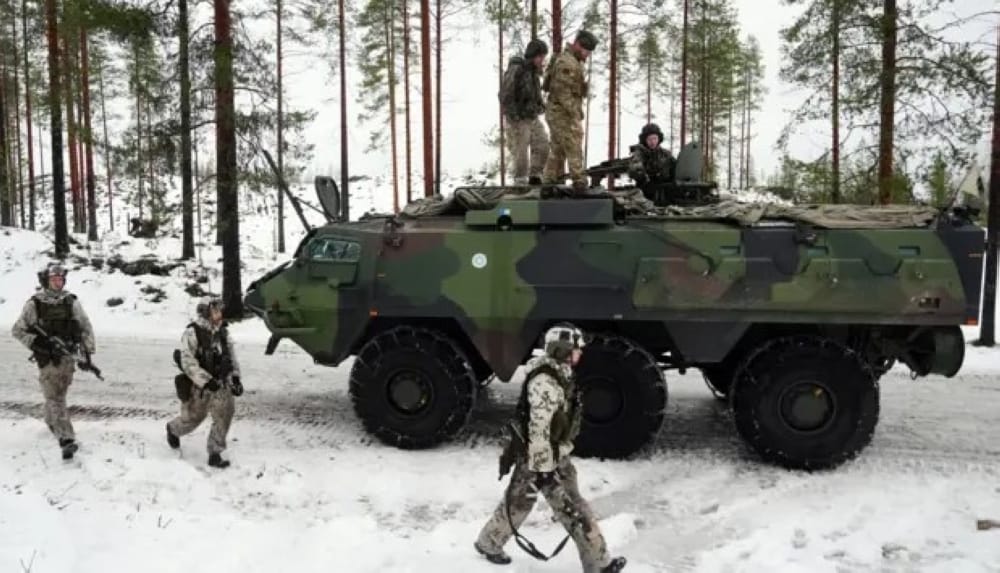
In a strategic move reflecting escalating geopolitical tensions in Northern Europe, Finland announced on Monday a pivotal military decision aimed at bolstering its defense capabilities to an unprecedented degree. Finnish Defense Minister Antti Häkkanen revealed that the country will raise the maximum age for reserve duty from 60 to 65, effective from the beginning of 2026. This decision comes as part of a comprehensive response to the growing security challenges posed by neighboring Russia, and to ensure the Finnish military's readiness for any potential future scenarios.
Details of the decision and strengthening the workforce
Minister Hakanen explained that this legislative amendment, which awaits the president's signature to take effect on January 1st, will bring about a significant leap forward in the army's manpower. The measure is expected to contribute approximately 125,000 additional experienced conscripts over the next five years. According to official estimates, the total number of Finnish reservists will reach nearly one million by 2031, a substantial figure for a country with a population of approximately 5.5 million, reflecting Helsinki's "total defense" doctrine.
A historic shift and joining NATO
This decision cannot be separated from the historical context and the radical shifts that Finnish politics have recently undergone. After decades of adhering to a policy of military non-alignment, Finland abandoned its traditional neutrality and formally joined NATO in April 2023. This historic shift came as a direct response to the Russian invasion of Ukraine in February 2022, which raised deep concerns among the Scandinavian and Baltic states about Russian expansionist ambitions.
The importance of the northern flank and border security
Finland shares a 1,340-kilometer land border with Russia, the longest of any EU or NATO member state bordering Russia. This geographical reality positions Finland as the "guardian of the northern gate" for the alliance. This border has been the site of escalating tensions, with Helsinki closing its eastern border crossings entirely in December 2023, accusing the Kremlin of waging a "hybrid war" by pushing asylum seekers and migrants toward the border to destabilize the country.
strategic deterrence message
The Minister of Defense affirmed that this step, along with other armament measures, sends a clear message that "Finland is responsible for its own security, today and in the future." Military analysts believe that increasing reserve numbers not only strengthens Finnish national defense but also directly contributes to reinforcing NATO's eastern and northern flanks, creating a new strategic balance in the Baltic and Arctic regions and making any consideration of military action against Finland extremely costly for any aggressor.