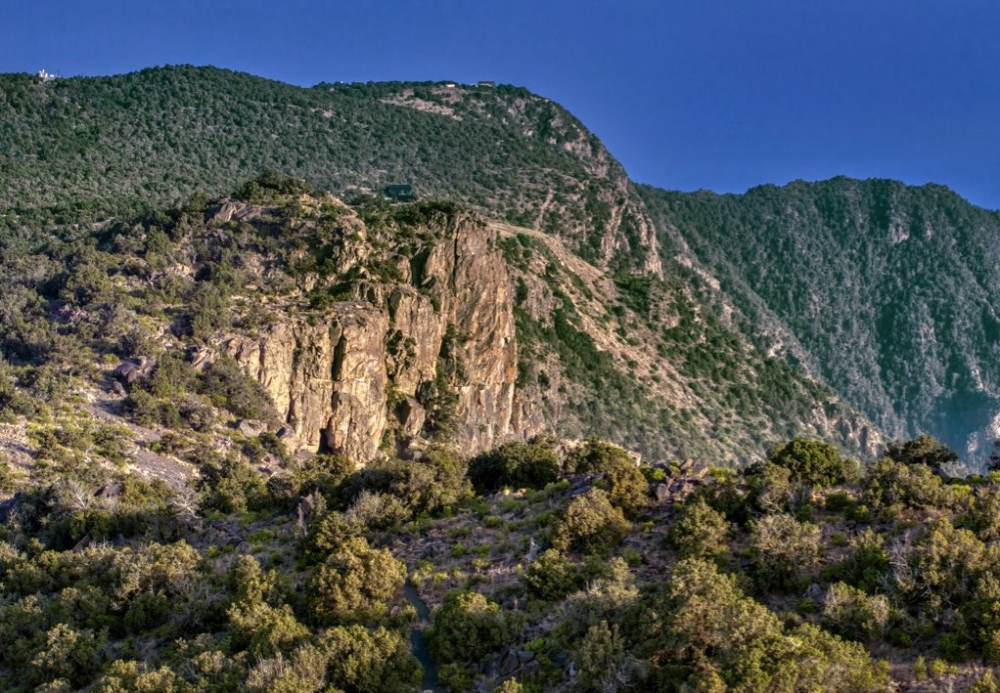
The Saudi Ministry of Environment, Water and Agriculture issued a stern warning to visitors to desert areas and picnickers, particularly drivers who engage in what is known as "randomly driving" vehicles through vegetation, emphasizing that such practices will be met with immediate and severe financial penalties. This warning coincides with the launch of the extensive awareness campaign "Our Winter is Healthy 2," which aims to promote environmental awareness, curb the waste of natural resources, and combat desertification.
Details of penalties and observed violations
The Ministry has categorically stated that fines of up to 2,000 Saudi Riyals will be imposed on any vehicle—car, motorcycle, or truck—caught crossing unauthorized routes within protected desert areas, meadows, or wadis experiencing seasonal vegetation growth. The Ministry considers entering areas outside designated routes a blatant violation of environmental regulations and a disregard for natural resources, a red line that warrants immediate legal action.
Context of the National Vision and the Saudi Green Initiative
These stringent measures are not arbitrary; rather, they fall within the broader context of the Kingdom's ongoing efforts to protect the environment, which are clearly articulated in "Saudi Vision 2030." Protecting vegetation is a cornerstone of the "Green Saudi Arabia" initiative launched by His Royal Highness the Crown Prince, which aims to plant 10 billion trees in the coming decades. From a strategic perspective, preserving existing vegetation is just as important as planting new trees, as the Kingdom seeks to restore ecological balance, reduce carbon emissions, and combat dust storms that impact public health and the economy.
The devastating environmental effects of indiscriminate hit-and-run
From a scientific and environmental perspective, the damage caused by trampling plants extends far beyond the visible vegetation. The passage of heavy vehicle and motorcycle tires over the soil leads to a process known as soil compaction. This process destroys the soil's natural pores, preventing rainwater absorption and destroying the seed bank in the topsoil. This eliminates the chances of plant growth in future seasons and significantly accelerates desertification, threatening biodiversity and the natural habitats of wildlife.
A call for commitment and social responsibility
The relevant authorities emphasized that the purpose of these fines is not financial gain, but rather a necessary deterrent to protect nature from harmful practices that leave environmental scars that may take years to heal. The Ministry called on all park visitors to adhere to the designated vehicle routes and to enjoy the winter weather responsibly and with awareness. In closing, the Ministry of Environment affirmed that preserving this natural resource is a shared national duty to ensure a green and sustainable future for generations to come.