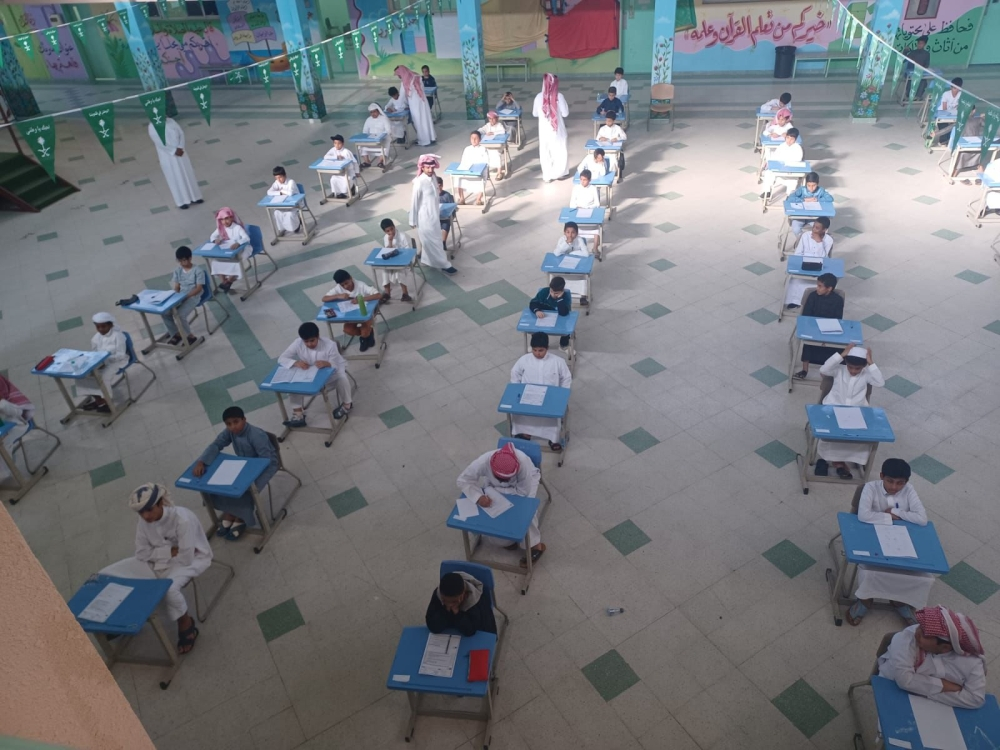
With the start of the final exams for the first semester, families and students are experiencing a state of heightened educational anticipation, as this period is a pivotal stage in students' academic journeys. These exams come within the context of the evolving education system, which now focuses more on measuring learning outcomes and deep understanding rather than rote memorization, necessitating a fundamental shift in preparation and study methods.
The importance of balanced preparation and its impact
Experts confirmed to Al-Youm that success in exams depends not only on the number of hours a student spends studying, but also on the quality of their planning and their psychological well-being. They point out that excessive psychological pressure can have the opposite effect on academic performance, making "psychological preparation" a fundamental pillar that is as important as academic review. The impact of this period extends to the family environment, where the home environment plays a crucial role in boosting a student's self-confidence and reducing anxiety levels.
Educational preparation and the role of the school
In this context, educator Noura Musleh Al-Maliki explained that the current period requires integration between home and school to ensure a sound educational and psychological environment. She pointed to the pivotal role of guidance and counseling committees in schools, which work to educate students on effective time management and study techniques. Al-Maliki emphasized that physiological factors such as healthy food and sufficient sleep have a direct impact on brain function, and consequently, on concentration and comprehension levels during exams.
Smart studying instead of wasted effort
For her part, Dr. Mona bint Saeed Al-Qahtani, an expert in educational development, called for adopting the concept of “smart studying.” She explained that equating effort with time is a common mistake, emphasizing that an exhausted mind does not absorb information efficiently. Al-Qahtani advised against the tedious repetition of well-researched information and instead focused on addressing weaknesses using modern learning tools such as mind maps and logical connections between pieces of information. She also noted that moderate anxiety is a natural motivator, but it must be managed to ensure it does not become a mental obstacle, pointing out that mistakes are part of the learning journey and not evidence of failure.
Time management and anxiety control
Regarding psychological aspects, psychologist Siham Al-Zahrani emphasized that time management and prioritizing tasks are the first line of defense against stress. She explained that dividing study materials into smaller units and scheduling them within specific timeframes gives students a sense of control and accomplishment. Al-Zahrani advised practicing deep breathing techniques for calmness, stressing that good sleep is the primary enhancer of memory and concentration. She concluded by emphasizing that the family is a supportive partner, not a supervisor, and that providing calm and emotional support is the best thing that can be offered to students during this critical stage.