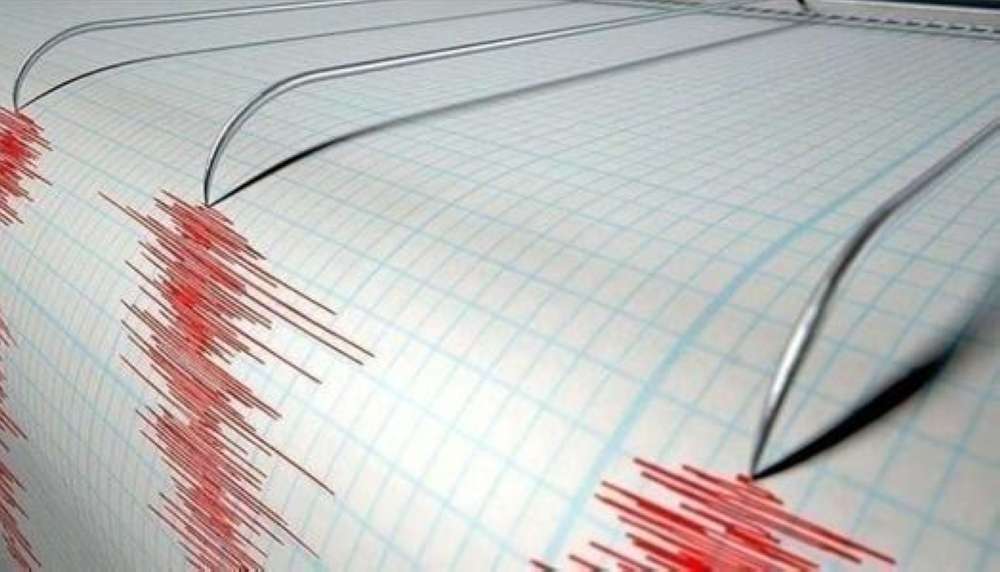
A 4.9-magnitude earthquake struck the Fiji Islands in the South Pacific on Monday, according to the U.S. Geological Survey (USGS). While the quake was considered moderate in magnitude, its considerable depth prevented any significant damage or injuries, and no tsunami warnings were issued.
Details of the earthquake and its location
The U.S. Geological Survey explained that the earthquake's epicenter was located in the southern Fiji Islands, at a great depth of approximately 592.6 kilometers below the Earth's surface. This depth is the primary factor in dissipating the earthquake's energy before it reaches the surface, significantly reducing the intensity of the tremors felt by residents and preventing structural damage to buildings and infrastructure.
Fiji is at the heart of the seismic "Ring of Fire"
The Republic of Fiji lies within Ring of Fire , a vast, arc-shaped geographical area known for its high seismic and volcanic activity. This region accounts for approximately 90% of the world's earthquakes, as well as the majority of active volcanoes. This intense activity is due to tectonic plate movement, with Fiji situated at the point where the Pacific Plate meets the Indo-Australian Plate, making it constantly susceptible to earthquakes of varying intensity.
The importance of deep earthquakes and their limited impact
Earthquakes occurring at depths exceeding 300 kilometers are classified as "deep earthquakes." Although they may be powerful at their epicenter, their impact on the surface is minimal compared to shallow earthquakes of the same magnitude. Constant seismic activity in this region is part of its geological makeup, and local authorities and the people of Fijia have developed mechanisms to cope with these natural phenomena. They maintain continuous monitoring systems to warn residents of any potential hazards, particularly those related to tsunamis that can be triggered by stronger, shallower earthquakes.
There were no immediate reports of injuries or material damage from the earthquake, and life continues as normal in the archipelago, which is accustomed to such deep and ineffective tremors.