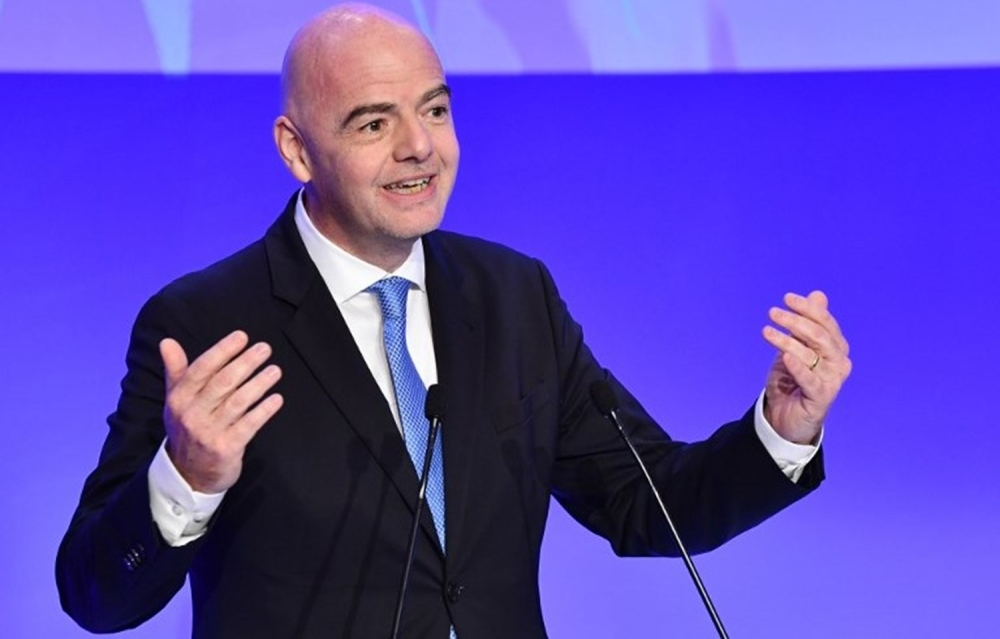
FIFA President Gianni Infantino has made a major surprise regarding a fundamental change to the match format during the 2026 World Cup finals. Infantino announced an urgent amendment affecting the halftime break, a decision that comes as part of FIFA's efforts to bring about a qualitative shift in the way football is presented as a global entertainment product, especially since the tournament will be held in the United States, Canada and Mexico, starting on June 11th.
Details of the new change: Super Bowl-style entertainment shows
In a surprising statement during the tournament draw ceremony, Infantino confirmed that the halftime break at the 2026 World Cup would be longer than the usual 15 minutes. The FIFA president explained that the reason for this extension was to include a "halftime show," a move clearly inspired by American sports culture, where the Super Bowl is famous for its spectacular musical and entertainment displays that attract millions of viewers worldwide, even those not typically interested in the sport itself.
Tournament context: The biggest edition in history
These changes are significant because the 2026 edition will be exceptional in every way in football history. It will be the first time the tournament is co-hosted by three countries (the United States, Canada, and Mexico), and the first time the number of participating teams has increased from 32 to 48. This substantial expansion aims to broaden global representation and provide greater opportunities for teams from Asia and Africa to compete on the world stage, thereby boosting the tournament's economic and marketing returns.
Saudi Arabia's participation and Arab representation
On the Arab and Asian levels, all eyes are on the anticipated participation of the Saudi national team, "Al-Akhdar" (The Green). Discussions about the Saudi team's participation come amidst fierce competition in the qualifiers, with the source highlighting the importance of the point earned after the draw against Iraq in the previous Asian playoff match. Saudi Arabia's participation is considered a cornerstone of the Arab presence at the World Cup, given the team's immense popularity and the significant development of the domestic league, leading Saudi fans to eagerly anticipate seeing their team in the expanded edition of the World Cup.
The integration of entertainment with sport through extended breaks and the staging of shows, coupled with an increase in the number of teams, clearly indicates FIFA's desire to transform each match into a standalone "event," potentially changing the face of traditional football forever.