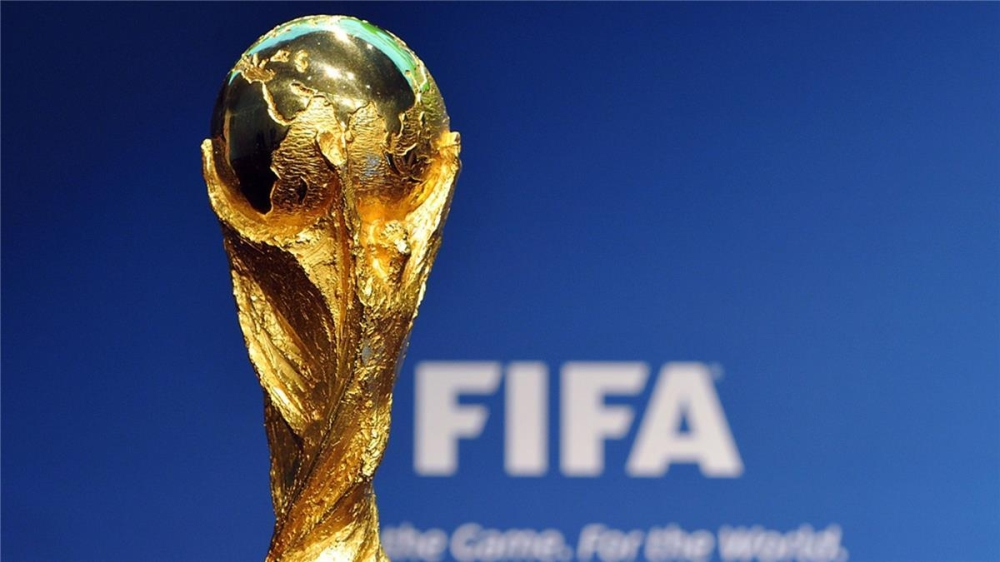
Media reports indicate that FIFA intends to announce a new and impactful set of amendments to the Laws of the Game, a proactive step ahead of the 2026 World Cup, which will be held in the United States, Canada, and Mexico. These proposed changes aim to address several negative aspects that detract from the enjoyment of matches, primarily time-wasting, while also seeking to increase the actual playing time, speed up the pace of matches, and promote attacking play to raise the goal-scoring rate and make football more exciting for fans worldwide.
The historical context of the development of the rules of the game
These proposals represent the latest chapter in a long history of evolution in the Laws of the Game. Since the establishment of the International Football Association Board (IFAB) in 1886, the sole body authorized to legislate and amend the Laws of the Game, football has undergone radical changes that have shaped its current form. Among the most significant historical amendments were the introduction of yellow and red cards at the 1970 World Cup and the implementation of the rule prohibiting goalkeepers from handling the ball after a pass from a teammate with their feet in 1992, which revolutionized the role of goalkeepers. In the modern era, the introduction of Video Assistant Referee (VAR) technology at the 2018 World Cup was the most prominent change, and it continues to generate much debate about how to improve it. The current proposals fall within this evolutionary trajectory, striving to keep pace with the speed of the game and the demands of the times.
Key proposed amendments and their expected impact
According to leaks, the new package of modifications includes several key points that will significantly change the dynamics of matches:
- Treating injured players: The player who leaves the field to receive treatment is required to remain off it for at least one full minute. This measure is directly aimed at combating feigning injuries in order to break the rhythm of the match and waste time.
- New rules for set pieces: A countdown system will be implemented for throw-ins and goal kicks. If a player exceeds the allotted time, the ball will be awarded immediately to the opposing team. This change will force teams to restart play more quickly.
- The 10-second rule for substitutions stipulates that a substituted player must leave the field within 10 seconds. Failure to comply will result in the substitute not being allowed to re-enter the game, forcing the team to play with ten players until the next stoppage (which must be at least 60 seconds). This serves as an immediate and effective deterrent against time-wasting during substitutions.
- Expanding the powers of VAR technology: It is proposed that the role of video technology be extended to reviewing incorrect second warning (second yellow card) decisions, in addition to the possibility of using it in calculating corner kicks in some tournaments, which increases the accuracy of crucial refereeing decisions.
Importance and future impacts on football
If these amendments are approved by IFAB, their impact will extend beyond the international level to encompass all domestic leagues and continental tournaments. Tactically, coaches will be forced to rethink their strategies, particularly in the final minutes of matches. Time-wasting will no longer be an easy option, potentially leading to more exciting matches and comebacks. From a fan perspective, these rules are expected to increase actual playing time, a key demand of supporters who have expressed their frustration with the frequent stoppages. These efforts coincide with preparations for the 2026 World Cup, which will feature 48 teams for the first time, making it essential to ensure an entertaining and fast-paced football experience for millions of viewers worldwide.