Arab Cup 2021: The return of the spirit to Arab football under the FIFA banner
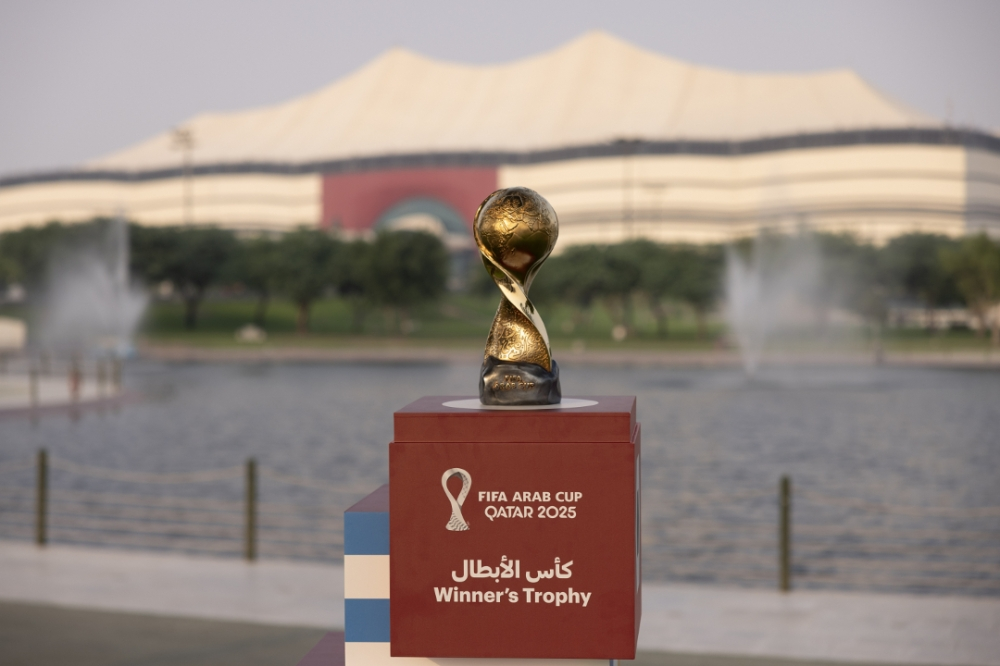
The 2021 FIFA Arab Cup, brilliantly hosted by Qatar from November 30 to December 18, 2021, marked a turning point in the history of regional football. More than just a sporting competition, it was a grand celebration of football, reviving one of the oldest Arab tournaments, but this time under the official auspices of FIFA for the first time, thus giving it global momentum and unprecedented importance.
Historical background and context of the tournament
The Arab Cup tournament dates back to 1963, but it has experienced long periods of inactivity that have affected its regularity. The 2021 edition revived the tournament, serving as an ideal operational test for Qatar before its historic hosting of the 2022 FIFA World Cup. Sixteen Arab national teams from Asia and Africa participated, divided into four groups, with the top two teams from each group advancing to the knockout stages.
The participating teams qualified based on the FIFA ranking, with 9 teams advancing directly, while 14 other teams played preliminary qualifiers to secure the remaining seven spots, ensuring broad representation and strong competition that reflected the passion of Arab fans for football.
The phenomenon of the national coach: A local imprint on the World Cup stage
One of the most notable phenomena of the 2021 Arab Cup was the increasing reliance on national and local coaching talent, a move reflecting the confidence of Arab federations in their own people's ability to lead the technical aspects of their teams. This trend was clearly demonstrated by the fact that two national teams, Algeria and Tunisia, reached the final match led by local coaches.
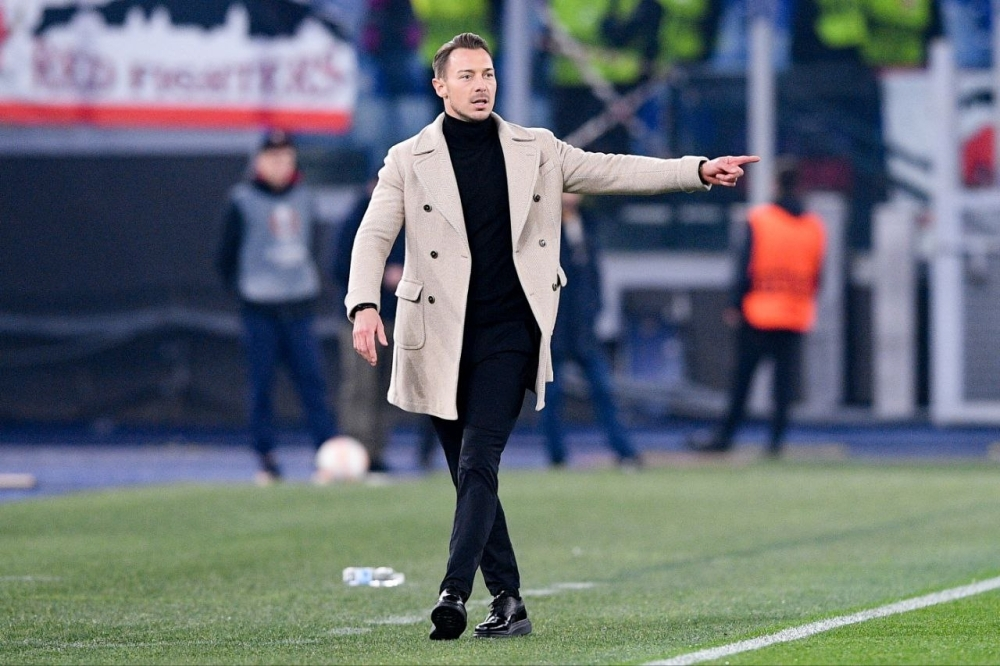
The list of national coaches who left a clear mark on the tournament included:
- Madjid Bougherra (Algeria): The former international star who led the “Desert Warriors” local team to a historic title after a heroic performance, confirming the quality of the Algerian coach.
- Mondher Kebaier (Tunisia): He succeeded in leading the “Eagles of Carthage” to the final match, presenting organized and effective football that proved the Tunisian coach’s ability to compete at the highest levels.
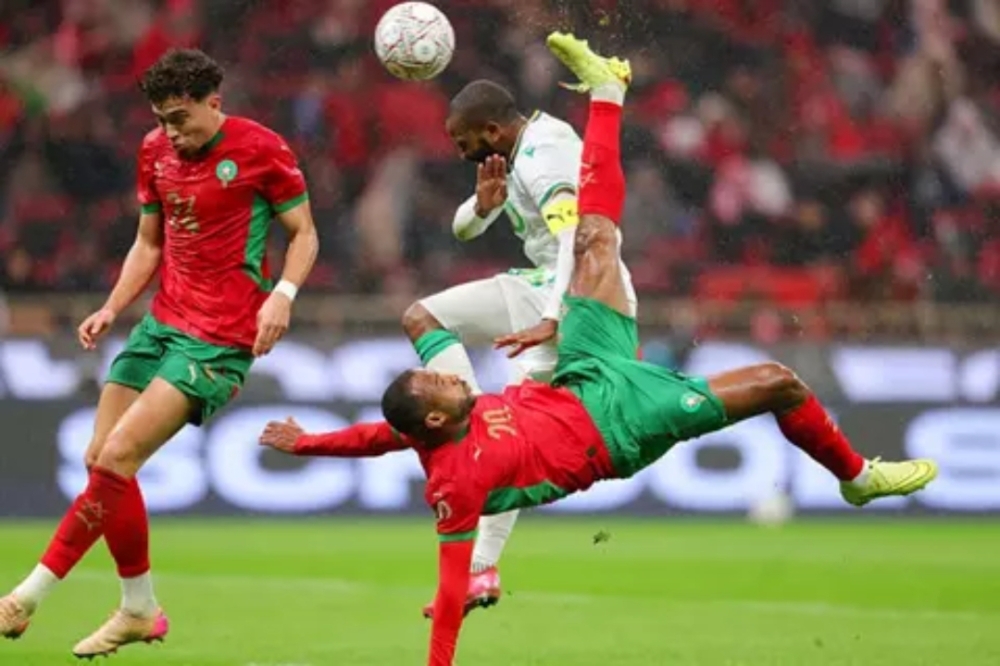
- Hussein Ammouta (Morocco): He led the Moroccan reserve team and delivered outstanding performances, taking them to the quarter-finals before being eliminated by penalty kicks against Algeria in a marathon match.
This success was not just a coincidence, but rather the result of accumulated experience and giving confidence to coaches who understand the mentality of the Arab player and possess the passion to achieve success for their countries.
Significance and impact: Beyond mere championship
The significance of the 2021 Arab Cup extended far beyond the pitch. Domestically, the tournament served as a true test of Qatar's organizational capabilities and World Cup infrastructure, with matches being held in six of the eight stadiums that will host the 2022 World Cup, achieving resounding organizational and public success. Regionally, the tournament strengthened ties between Arab nations and ignited unparalleled enthusiasm. Internationally, it presented the world with a shining example of the competitive spirit and passion for football in the Arab world, paving the way for an exceptional atmosphere at the subsequent World Cup.