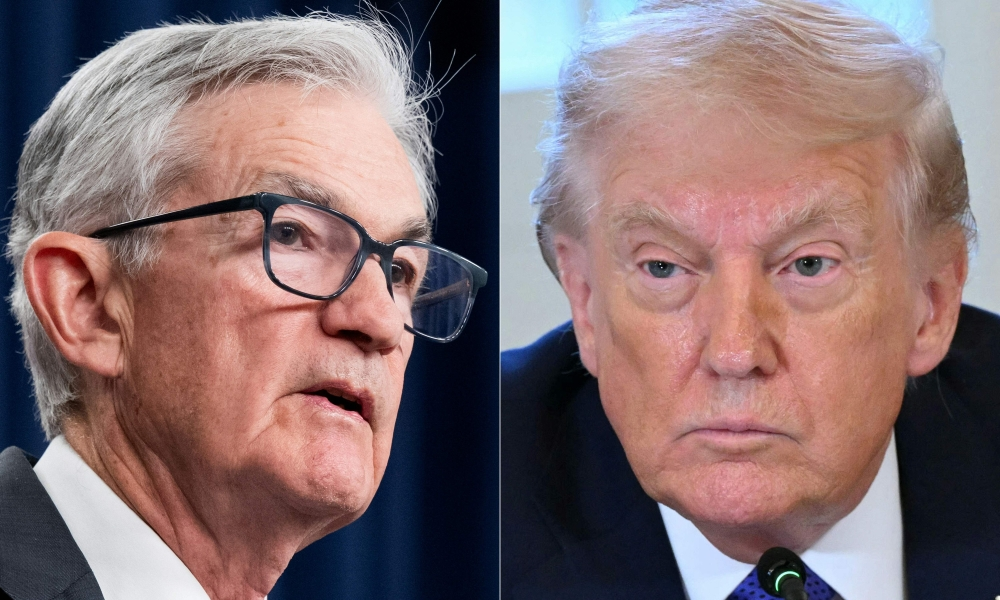
The official minutes of the Federal Reserve's December meeting revealed a state of extreme divergence and unprecedented division among monetary policymakers, as the decision to cut interest rates came amid widespread debate about the appropriate timing and risks surrounding the world's largest economy.
Context of the decision: Between the hammer of inflation and the anvil of recession
This division comes at a highly sensitive time for the US economy, as the Federal Reserve strives to strike a delicate balance within its dual mandate: maintaining price stability (combating inflation) and maximizing employment. Historically, this is one of the most challenging phases of economic cycles, since keeping interest rates high for too long can stifle growth and harm the labor market, while cutting them too quickly could reignite inflation—a scenario members are trying to avoid at all costs.
Details of the division within the Federal Reserve
The document released Tuesday revealed that the decision was not easy, with even some supporters of the rate cut acknowledging that it was "very balanced," indicating they would have accepted a decision to hold rates steady. The economic projections showed that six officials categorically opposed the cut, while two members of the Federal Open Market Committee registered formal dissent—an unprecedented level of disagreement.
While the pro-cut team defended its position as a "proactive strategy" to protect the labor market from a slowdown, the opposing team warned that progress towards the 2% inflation target had stalled, calling for caution.
The impact of data absence and government shutdown
Complicating matters further was the "information fog" resulting from the 43-day government shutdown, which directly impacted the flow of vital economic data. Opponents of the cut pointed out that the lack of accurate data on the labor market and inflation made it difficult to assess whether the reduction was justified at this time.
Future projections and their global impact
The new projections indicate a very cautious approach, with the likelihood of only one interest rate cut next year, reflecting the Fed's desire to wait for a clearer picture. This stance has implications beyond the United States; continued high interest rates or uncertainty about the future path directly impacts emerging markets, exchange rates, and borrowing costs globally.
The committee is scheduled to reconvene on January 27-28, with investors expecting the US central bank to opt for a "truce" and hold interest rates steady, awaiting upcoming jobs and consumer price data to provide a clearer roadmap for 2026.