An individual initiative to preserve the memory of a nation
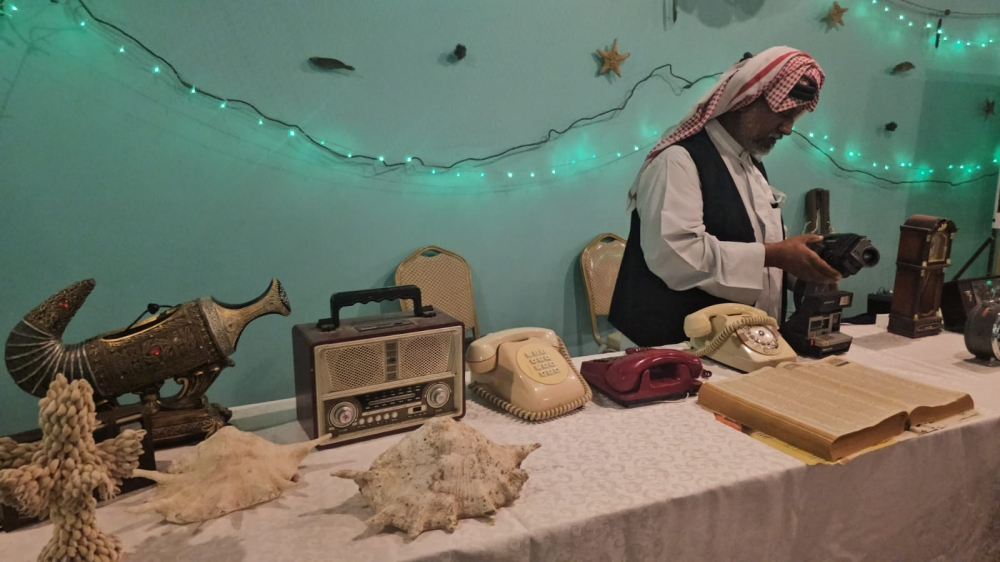
In a unique and personal initiative, Saudi citizen Fathi Al-Binali successfully transformed his deep passion for heritage into a pioneering national cultural project. For four decades, Al-Binali dedicated his time and effort to collecting and documenting over 10,000 rare artifacts, establishing a private museum on the historic island of Darin. His aim is to protect and preserve the Eastern Province's maritime and cultural heritage for future generations.
Historical context: Darin and the maritime heritage
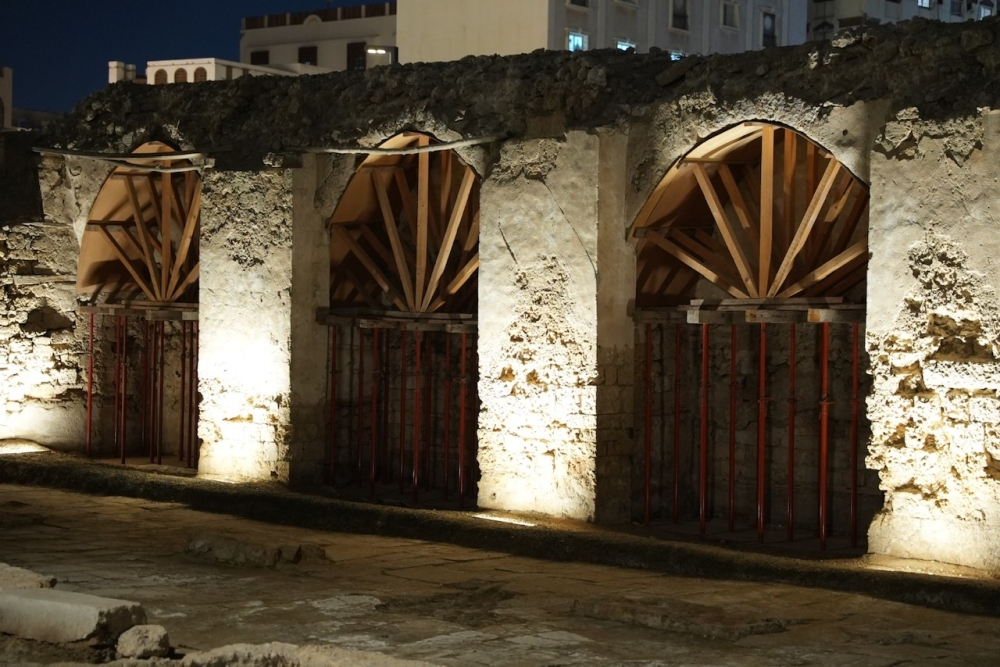
This initiative is particularly significant given its location. Darin Island was one of the most important historical ports on the Arabian Gulf coast and a vital center for the pearl and commodity trade before the oil era. The sea was the lifeblood and primary source of livelihood for the region's inhabitants, with pearl diving, fishing, and shipbuilding (dhow building) forming the economic and social fabric of the community. The Al Binali Museum serves as a living, tangible record of the struggles of our ancestors and their adaptation to their marine environment during a historical period that shaped the identity of the entire region.
Museum sections: A journey through time
The museum spans 550 square meters and has been meticulously designed to offer visitors an immersive experience of traditional life. It is divided into five main sections, most notably the "Bride's Room," showcasing all its traditional furnishings, and the "Captain's Council," reflecting the prestigious position of the pearling ship's captain. Another section, the "Shop," displays models of goods and supplies that were common at the time. Maritime heritage comprises the largest portion of the exhibits, featuring diving and fishing equipment, as well as rare models of traditional ships, some of which have disappeared, making it an invaluable visual resource for researchers and enthusiasts.
Regional importance and cultural influence
Al-Binali's efforts in collecting artifacts were not limited to Saudi Arabia alone, but extended to other Gulf Cooperation Council (GCC) countries, driven by his belief in the shared heritage and common destiny that binds the peoples of the region. This regional dimension adds value to the museum, highlighting the striking similarities in lifestyles, customs, and maritime traditions along the Gulf coast, making it a destination for visitors and researchers from across the GCC. The museum also contributes to promoting cultural tourism in the Eastern Province and provides a tangible educational resource for school and university students, introducing them to their history. These efforts align with national initiatives, such as the "Year of Handicrafts 2025" campaign, which aims to revive and ensure the sustainability of traditional crafts.