Tragic accident in the skies of Australia
A tragic mid-air collision occurred on Sunday in the suburbs of Sydney, Australia, when two light aircraft collided during a formation flyby, resulting in the crash of one of the planes and the death of its pilot. Local authorities confirmed the accident took place in Wedderburn, a suburb southwest of Sydney known for its recreational and training airfield.
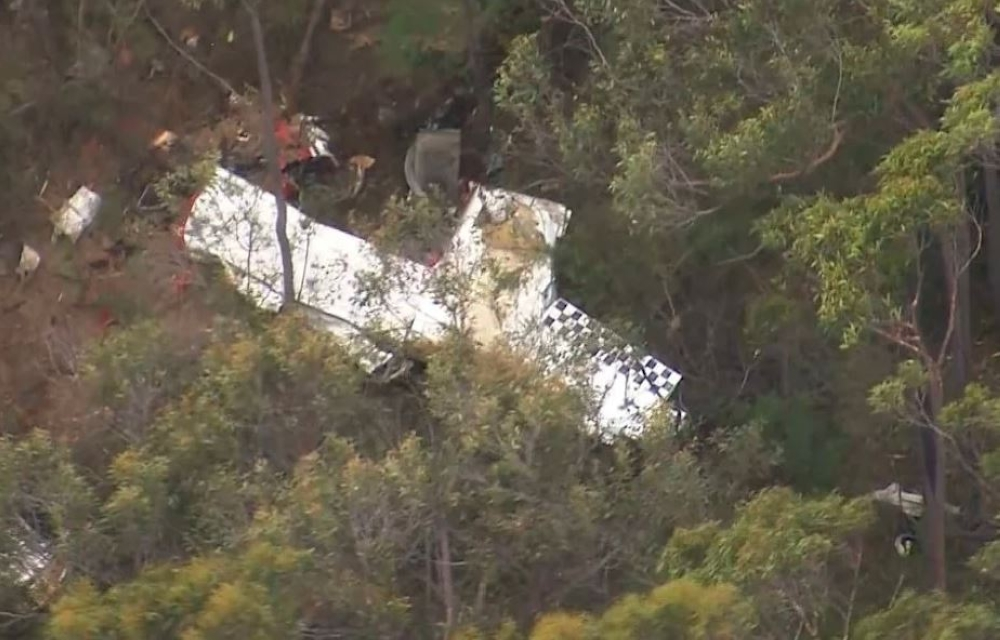
According to a statement from New South Wales Police, emergency services received a report of two aircraft colliding mid-air, and rescue teams were immediately dispatched to the scene. Following a search, the wreckage of one of the aircraft was found in a densely wooded area near the airport, containing the body of the pilot, believed to have been the sole occupant. The pilot of the second aircraft, however, managed to land safely at Wedderburn Airport without injury, in an incident that highlights the inherent dangers and risks of formation flying.
Background of the accident and context of light aviation
The Australian Transport Safety Bureau (ATSB), the federal body responsible for investigating transport accidents, confirmed it has launched an immediate investigation into the incident. The bureau noted that the two aircraft involved were Van's RV-7s, single-engine, two-seater planes popular with recreational pilots. They were part of a four-plane formation returning to the airport when the collision occurred. Recreational and light flying is an important part of Australian aviation culture due to the country's vast size, and accidents, while relatively rare, serve as a constant reminder of the inherent dangers. Formative flying, in particular, demands high skill, extreme precision, and constant coordination between pilots, and even a small error in judgment can have serious consequences.
The importance of the investigation and its expected impact
The Australian Transport Safety Bureau's investigation will focus on gathering evidence from the wreckage site, analyzing flight data if available, interviewing the surviving pilot and eyewitnesses, and examining the maintenance records of both aircraft. The primary objective of these investigations is not to determine legal responsibility, but rather to understand the root causes of the accident, whether human error, mechanical failure, or environmental factors. The findings of this investigation are expected to have a significant impact on the local and regional aviation community, potentially leading to a review of formation flying safety protocols, an update to training programs, and the issuance of new recommendations to flying clubs across Australia. The lessons learned from this tragedy will contribute to strengthening aviation safety standards to prevent similar accidents in the future, a matter of great interest to the international aviation community.