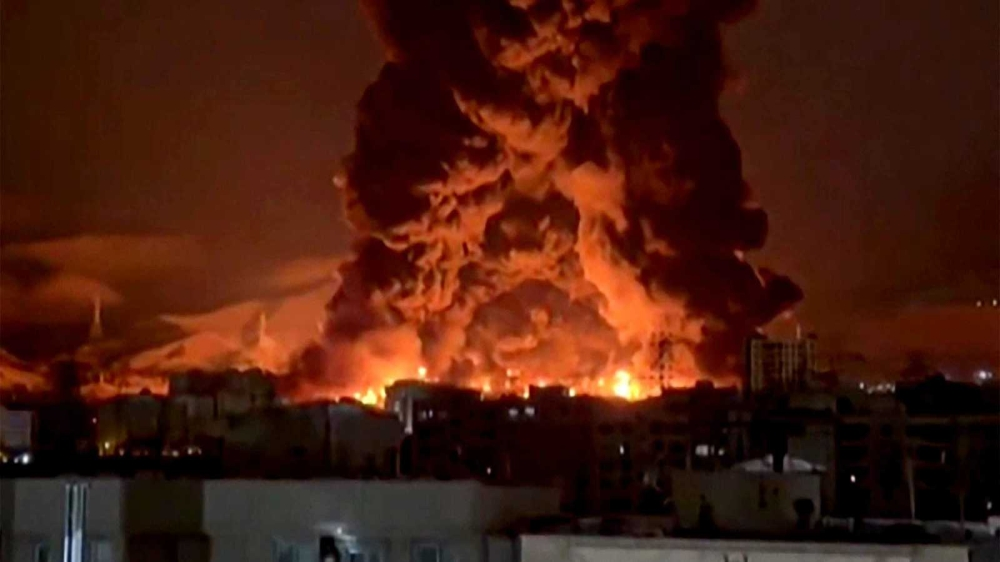
In a dangerous escalation of events, a series of explosions rocked Tehran on Tuesday evening, coinciding with the eleventh day of the Israeli-American attack on Iran. These powerful blasts shook the northern and western parts of the Iranian capital, adding a new layer of fear and anticipation after similar strikes earlier that day. As of yet, no official statements have been issued specifying the exact nature of the targets struck in the latest bombing, further deepening the uncertainty surrounding the situation on the ground.
In a related context to the ongoing military operations, news reports indicated that Qatar's air defenses intercepted five Iranian ballistic missiles, successfully intercepting them without any human or material losses, reflecting the widening scope of tensions to include the airspace of neighboring countries in the region.
The historical roots of the conflict and the escalation of tension
The roots of this direct military escalation lie in decades of persistent tension between Tehran on one side, and Tel Aviv and Washington on the other. Israel has long considered Iran's nuclear program and its expanding regional influence through armed factions an existential threat. Conversely, Iran adopts a hostile rhetoric toward the American presence in the Middle East. While the past years have witnessed a shadow war characterized by cyberattacks, assassinations of nuclear scientists, and tit-for-tat attacks on commercial vessels, the shift to direct military confrontation represents a radical and unprecedented departure from the historical rules of engagement between the parties involved.
The repercussions of the assassination of diplomats in Beirut
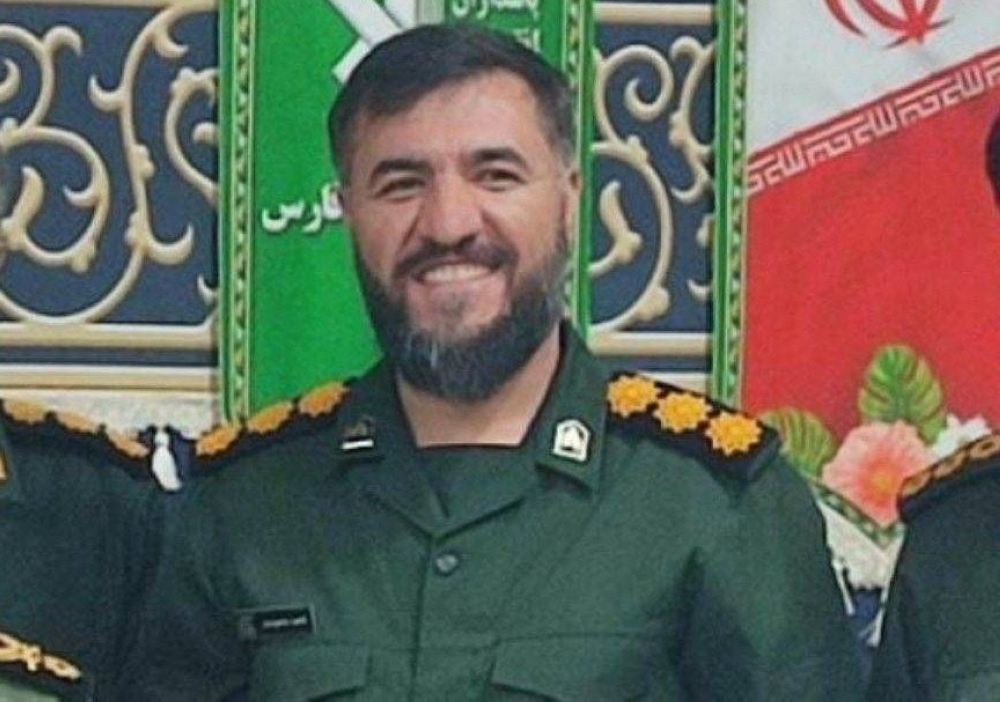
The spark of these events was not confined to Iran's borders, but extended to the Lebanese arena, which has long been a stage for settling regional scores. Iran officially accused Israel of killing four of its diplomats in an airstrike that targeted a hotel in the Lebanese capital, Beirut, last weekend. According to an official letter from Tehran's Permanent Mission to the United Nations to the Secretary-General, Iran described the incident as a deliberate terrorist attack that occurred in the early hours of Sunday, March 8, 2026, targeting the Ramada Hotel in Beirut, resulting in the assassination of the four diplomats of the Islamic Republic. This dangerous development opens the door to the possibility of expanding the battlefronts.
The strategic importance and impact of the Tehran explosions on the international scene
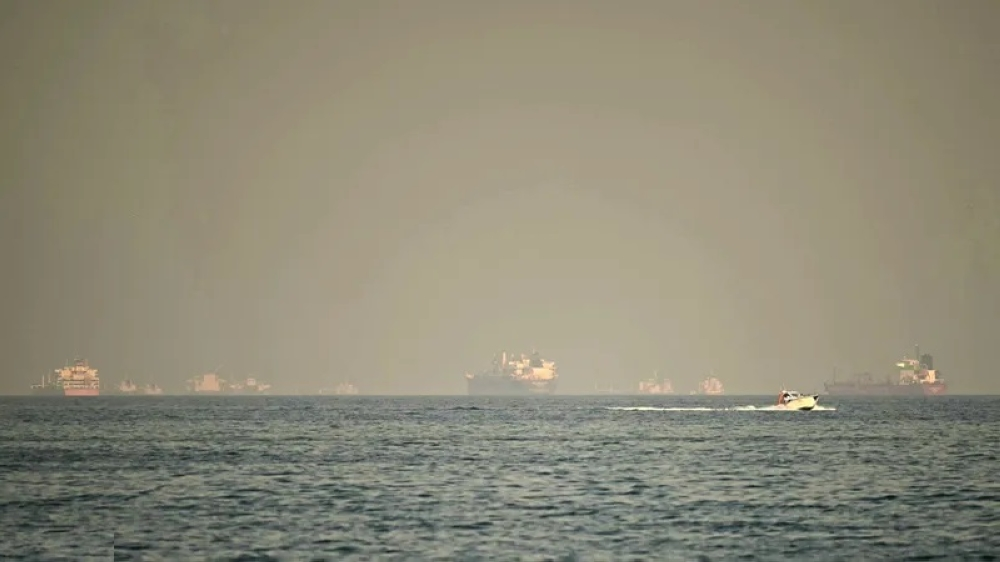
Recent developments, most notably the series of explosions in Tehran , carry profound strategic implications and far-reaching consequences. Domestically, these successive attacks place the Iranian leadership under immense internal pressure to retaliate and save face, in addition to the economic and psychological impact on the Iranian public. Regionally, the expansion of the attacks to include countries like Lebanon, and the interception of missiles in the Gulf, threaten to plunge the entire Middle East into a full-blown regional war that could disrupt international shipping lanes and severely impact global energy supplies.
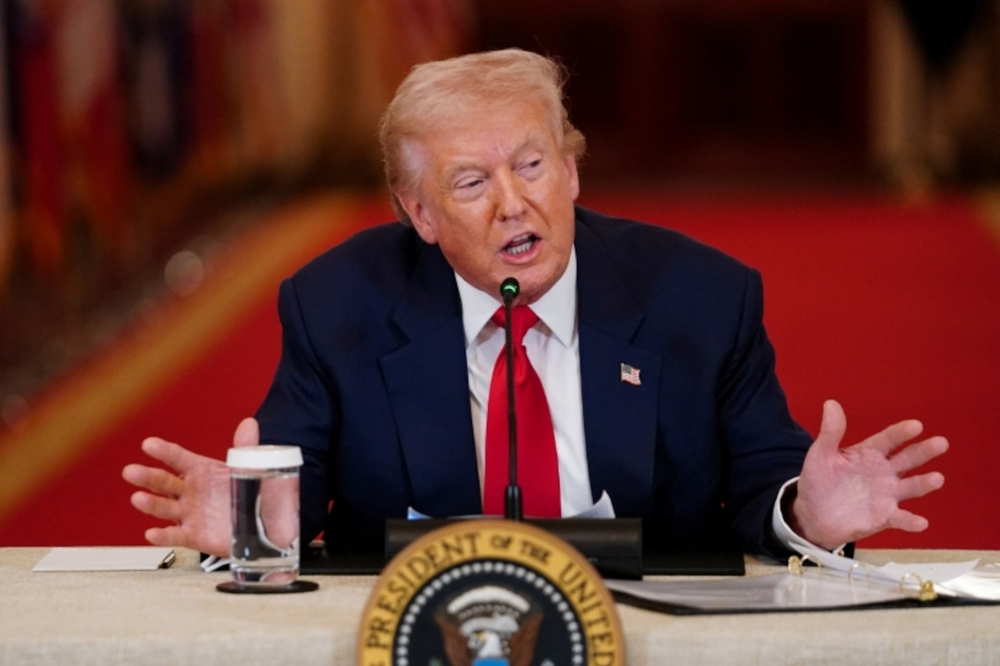
On the international level, this war presents the international community and the Security Council with a true test of their commitment to maintaining international peace and security. Direct US intervention alongside Israel could provoke reactions from other global powers with strategic and economic interests in Tehran. The continuation of these military operations threatens a radical shift in the region's geopolitical landscape, making diplomatic efforts to achieve a ceasefire an urgent necessity to avert a global humanitarian and economic catastrophe.