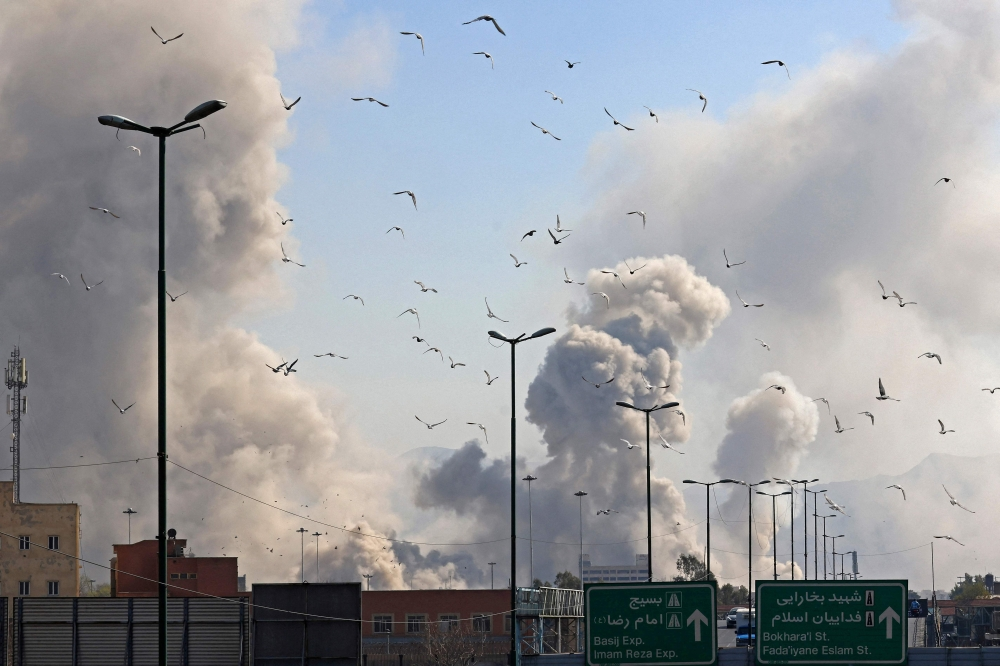
The Iranian capital awoke on Monday to the sound of explosions in Tehran , with international news agencies, including AFP, reporting loud blasts that shook the city center. These rapid developments on the ground came just hours after the Israeli military officially announced it had launched extensive airstrikes targeting military sites inside Iran overnight. In response, Iranian authorities quickly activated air defense systems in an attempt to counter the attacks. The precise nature of the targets struck and the extent of the material and human losses resulting from this dangerous escalation were not immediately clear.
Military escalation: Background to the explosions in Tehran
This event was not a spontaneous occurrence, but rather the culmination of a long history of escalating tensions between Israel and Iran, often referred to in the media as the "shadow war." Over the past years, the two sides have exchanged attacks indirectly, whether through targeting commercial vessels in territorial waters or through cyberattacks targeting critical infrastructure in both countries. These tensions have also included Israel's repeated targeting of sites belonging to Iranian-backed militias in Syria and Lebanon.
The conflict has taken a more dangerous and direct turn recently, particularly after Iran’s unprecedented missile and drone attack on Israel last April, which came in response to the bombing of the Iranian consulate in Damascus. This timeline of events demonstrates that the recent strikes represent a dangerous shift from indirect confrontations to direct targeting of strategic depth, placing the entire region on a knife's edge.
Regional and international repercussions of the airstrikes
This direct military escalation carries significant dimensions and repercussions at the local, regional, and international levels. Domestically, in Iran, these strikes present the political and military leadership with a major challenge: how to respond in a way that preserves face and deterrence without being drawn into a full-scale war that could deplete the country's economic and military resources, especially given the international sanctions imposed upon it.
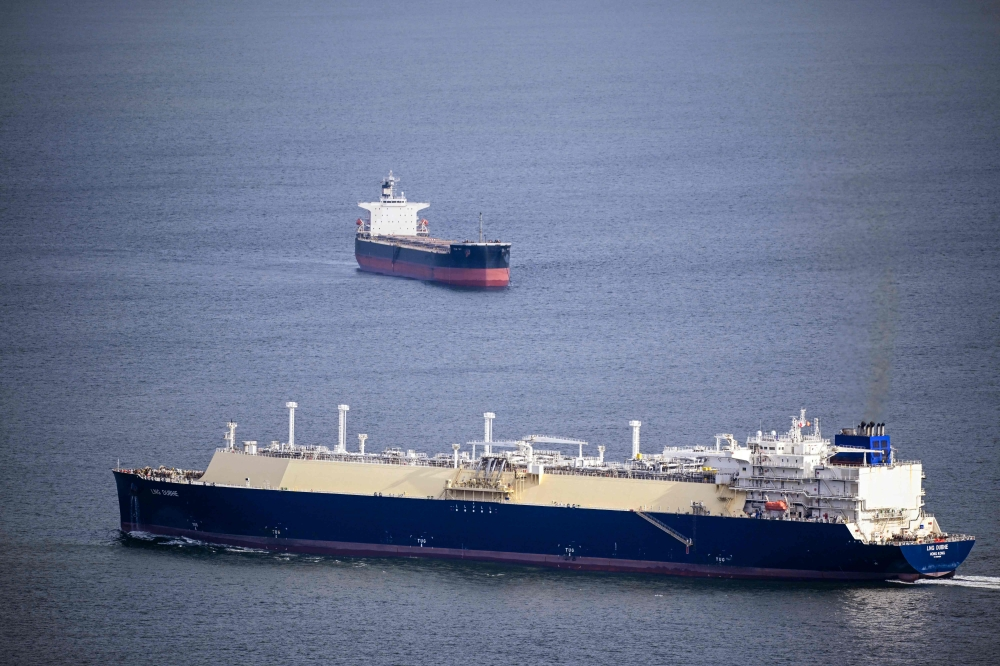
Regionally, the widening conflict threatens the security and stability of the entire Middle East. Neighboring countries are watching with grave concern the potential closure of strategic waterways such as the Strait of Hormuz, which could disrupt maritime navigation and global energy supplies. Internationally, these developments are raising concerns among major powers, particularly the United States and European nations, about the outbreak of a wider regional war that could compel them to intervene directly. Global markets fear a sharp rise in crude oil prices, which could trigger a new wave of inflation affecting both major and emerging economies. Therefore, all eyes remain on the diplomatic efforts underway in the coming hours to avert the worst.