On the ninth anniversary of the pledge of allegiance to the architect of the Vision, Crown Prince Mohammed bin Salman, Deputy Prime Minister, feelings of pride and admiration are renewed for the remarkable progress achieved by the Kingdom of Saudi Arabia across all sectors. Foremost among these is the sports sector, which has become a cornerstone of Saudi Vision 2030. Saudi stadiums a radical transformation in recent years, propelling the Kingdom into a global sports hub that hosts major international tournaments, supported by modern infrastructure and state-of-the-art sports facilities that rival the best stadiums in the world.
Historical roots: How did Saudi stadiums begin their journey?
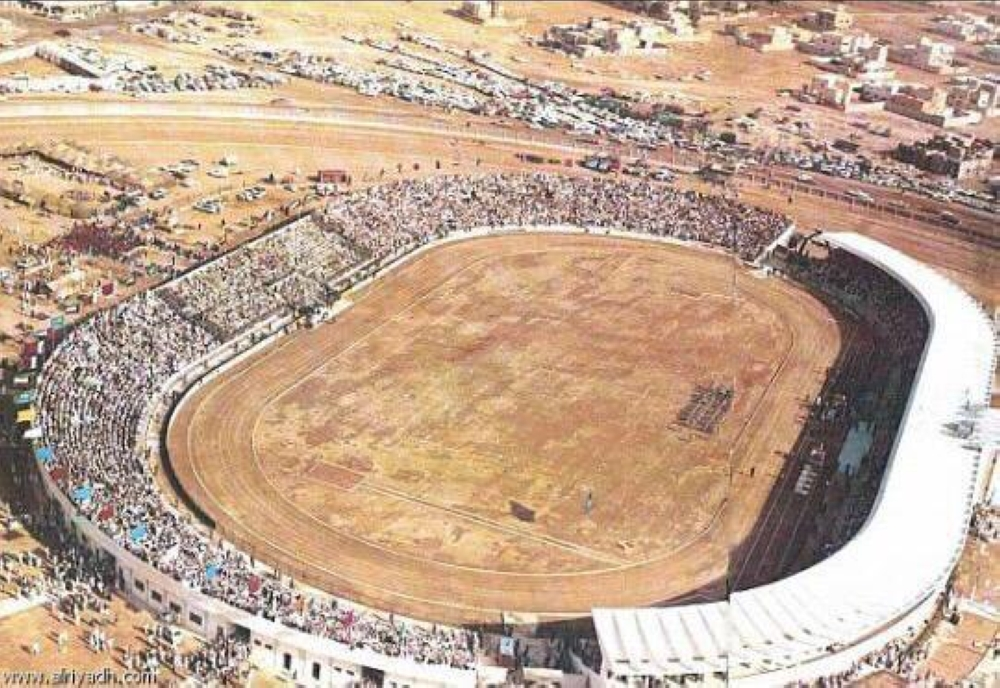
Despite the rapid development we are witnessing today, sporting history retains its significant presence. The old Saudi stadiums formed the initial starting point for football in the Kingdom, bearing witness to the beginnings that ignited the passion of the fans and solidified the game's status. Historically, Al-Sabban Stadium in Jeddah is considered the first sports stadium in the Kingdom, built in 1370 AH (1950/51 CE) by order of Prince Abdullah Al-Faisal, with construction undertaken by Abdul Rahman Surur Al-Sabban. The stadium had a capacity of approximately 12,000 spectators and hosted numerous local tournaments in the 1950s and 1960s.
In the capital, Riyadh, Al-Sayigh Stadium, which opened in 1378 AH (1958 CE) in the Al-Malaz district, stood out as the city's first football stadium. It witnessed the early matches of prestigious clubs such as Al-Hilal, Al-Nassr, and Al-Shabab, and hosted the King's Cup finals in the presence of the Kingdom's monarchs. In the Eastern Province, Yaqoub Stadium was the first well-known football venue, hosting matches for Al-Ettifaq, Al-Qadisiyah, and Al-Nahda before the opening of Dammam Stadium in 1974, becoming a sporting and social hub for football enthusiasts.
The qualitative leap towards world-class sports facilities
Over the years, and with the economic and population growth the Kingdom has witnessed, its sports infrastructure has developed remarkably. Modern and monumental facilities have emerged, such as King Abdullah Sports City (The Shining Jewel) in Jeddah, King Fahd International Stadium in Riyadh, and Prince Mohammed bin Fahd Stadium in Dammam. These structures are not merely stadiums, but architectural masterpieces that have become stages for major local and international tournaments, reflecting the Kingdom's ability to organize major sporting events that attract global attention.
Regional and international impact of the sports renaissance
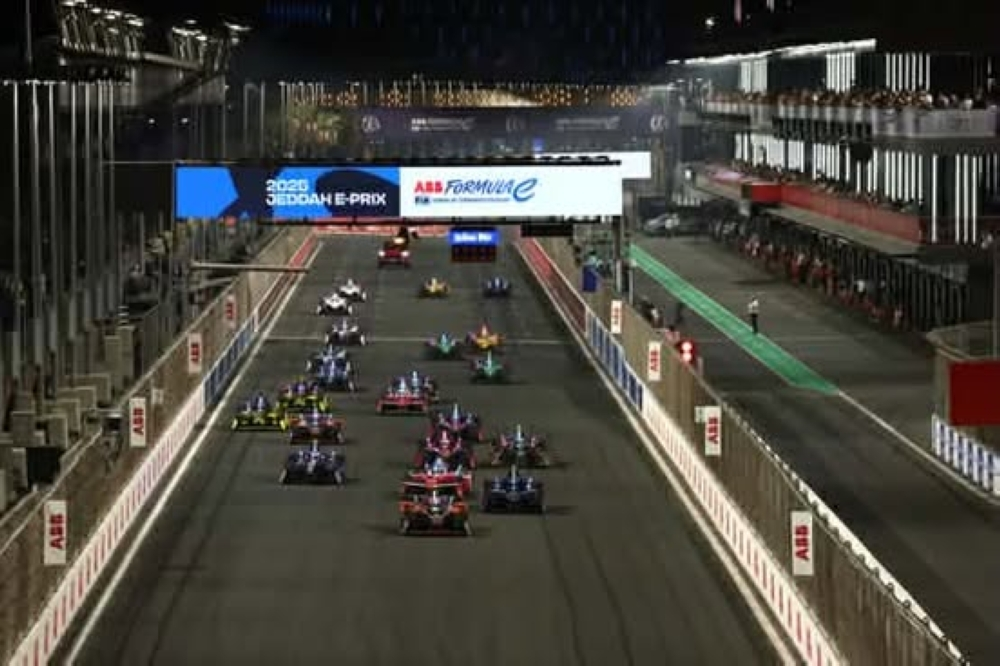
The significance of this infrastructure development extends far beyond simply hosting matches, reaching broad economic and social impacts. Locally, these facilities have contributed to enhancing the quality of life and increasing sports participation among community members. Regionally and internationally, the Kingdom has become a preferred destination for hosting major events such as the Spanish and Italian Super Cups, the FIFA Club World Cup, and the 2027 AFC Asian Cup. This sporting momentum strengthens the Kingdom's soft power, attracts foreign investment, and revitalizes the sports tourism sector, positively impacting the national economy and creating thousands of job opportunities for Saudi youth.
The road to the 2034 World Cup: The future of Saudi stadiums
This development continues steadily as the Kingdom prepares to host the biggest event of all, the 2034 FIFA World Cup. The hosting bid includes the construction and development of 15 international stadiums across five major cities: Riyadh, Jeddah, Al-Khobar, Abha, and NEOM. Among the most anticipated projects is the King Salman Stadium, which will have a capacity of over 92,000 spectators and is expected to host the opening and final matches of the tournament.
Thus, between the humble beginnings and today's world-class facilities, the story of a nation's ambition is embodied, moving steadily towards the future, to prove to the world that investing in sports is an investment in future generations.