نمو قوي يفوق التوقعات في منطقة اليورو
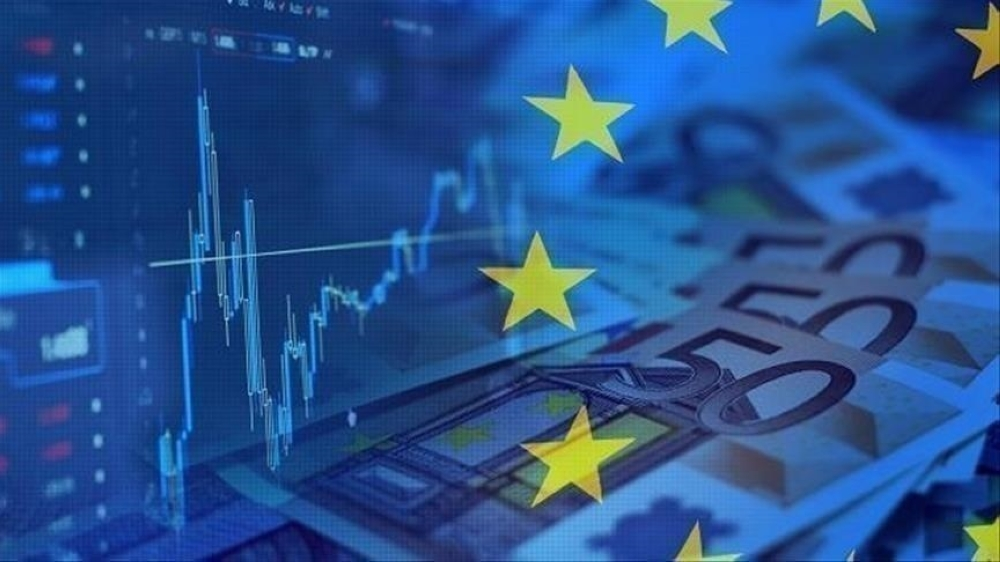
في شهادة على المرونة الاقتصادية، سجل اقتصاد منطقة اليورو نموًا ملحوظًا بنسبة 1.5% خلال عام 2025، متجاوزًا بذلك كافة التوقعات السابقة في ظل مناخ عالمي مشحون بالتوترات التجارية. وتأتي هذه الأرقام الإيجابية، التي نشرها مكتب الإحصاءات الأوروبي “يوروستات”، لتعكس انتعاشًا تدريجيًا لكنه ثابت، مدفوعًا بأداء قوي في نهاية العام لعدد من الاقتصادات الرئيسية في الكتلة الأوروبية.
هذا الأداء لم يتجاوز فقط توقعات المحللين الاقتصاديين الذين استطلعت آراءهم وكالة “بلومبرغ” (1.4%)، بل تخطى أيضًا تقديرات المفوضية الأوروبية نفسها (1.3%). ويؤكد هذا النمو مسار التعافي المستمر للمنطقة بعد فترة من التباطؤ الشديد، حيث سجل النمو 0.4% فقط في عام 2023، قبل أن يرتفع بشكل طفيف إلى 0.9% في عام 2024.
خلفية اقتصادية معقدة وتحديات متتالية
يأتي هذا الانتعاش في أعقاب فترة مليئة بالتحديات الاقتصادية الجسيمة. فمنذ بداية العقد، واجهت منطقة اليورو سلسلة من الصدمات المتتالية، بدءًا من تداعيات جائحة كوفيد-19 التي أثرت على سلاسل الإمداد العالمية، مرورًا بأزمة الطاقة التي تفاقمت في عام 2022 وأدت إلى ارتفاع معدلات التضخم إلى مستويات قياسية. هذه الضغوط التضخمية دفعت البنك المركزي الأوروبي إلى تبني سياسة نقدية متشددة، ورفع أسعار الفائدة بشكل متكرر لكبح جماح الأسعار، وهو ما أثر بدوره على تكاليف الاقتراض والاستثمار.
في هذا السياق، كان يُخشى أن يؤدي التشديد النقدي إلى ركود اقتصادي عميق. إلا أن الأرقام الأخيرة لعام 2025 تظهر أن اقتصادات المنطقة تمكنت من التكيف وامتصاص هذه الصدمات بشكل أفضل من المتوقع، مع بدء استقرار أسعار الطاقة وتراجع التضخم تدريجيًا، مما ساهم في تعزيز ثقة المستهلكين والشركات.
أهمية النمو وتأثيره على السياسات المستقبلية
يحمل هذا النمو الذي فاق التوقعات أهمية كبرى على الصعيدين الإقليمي والدولي. فعلى المستوى الإقليمي، يعزز هذا الأداء الثقة في قدرة منطقة اليورو على مواجهة الأزمات، ويوفر للبنك المركزي الأوروبي مرونة أكبر في تحديد مسار سياسته النقدية المستقبلية، حيث قد يفتح الباب أمام تخفيف القيود النقدية لدعم النمو بشكل أكبر. كما أنه يمثل دفعة قوية للاقتصادات التي عانت بشكل خاص، مثل ألمانيا، التي يعتمد اقتصادها بشكل كبير على الصادرات.
أما على الصعيد الدولي، فإن تعافي أحد أكبر التكتلات الاقتصادية في العالم يعد خبرًا إيجابيًا للاقتصاد العالمي ككل، حيث يساهم في زيادة الطلب العالمي على السلع والخدمات. وفيما يتعلق بالحرب التجارية التي أطلق شرارتها الرئيس الأمريكي دونالد ترامب بعد عودته للبيت الأبيض في يناير 2025، فإن صمود الاقتصاد الأوروبي يبعث برسالة قوية. ورغم التوصل إلى اتفاق تجاري في صيف 2025 أدى إلى تهدئة مؤقتة، إلا أن قبول الاتحاد الأوروبي برسوم جمركية بنسبة 15% على صادراته يوضح أن التحديات التجارية لا تزال قائمة، وأن القدرة على النمو رغم هذه العقبات هي مفتاح الاستقرار المستقبلي.