European stocks opened higher today, with markets across the continent showing notable activity driven primarily by gains in basic resources companies. This rise reflects cautious optimism among investors as markets attempt to maintain their upward momentum near record highs.
Performance of the Stoxx 600 index and winning sectors
In terms of performance, the benchmark European Stoxx 600 slightly by 0.02% to 588.71 points at the start of trading. Despite this modest increase, the index had earlier reached a new record high of 589.61 points, indicating strong buying momentum in the market.
Shares of companies linked to basic commodities led the gainers within the index, rising 0.7%, directly benefiting from the recovery and rise in precious metal prices in global markets. The technology and healthcare sectors also contributed to providing additional support to the broader market, bolstering the stability of the indices. Conversely, shares of companies in the defense and aerospace sector declined by 1.3%, limiting the overall gains of the index.
Divergence in major European markets
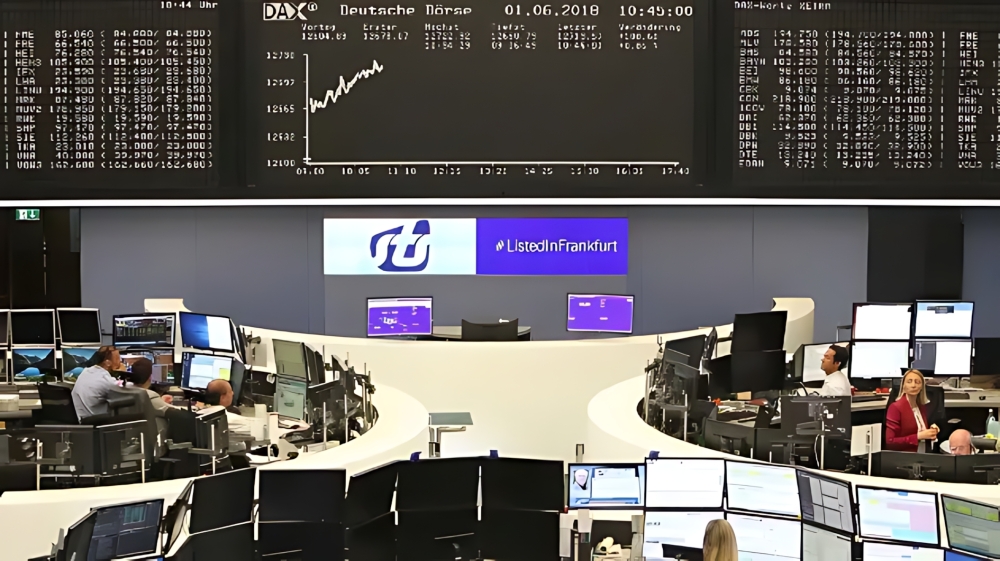
Across major European markets, domestic indices showed mixed performance. While the UK's FTSE 100 and France's CAC 40 remained virtually unchanged, Germany's DAX index fell by 0.2%. Among the standout performers, shares of biotechnology company Abfax surged 3.2%, making it one of the day's top gainers.
The economic context and the importance of European indicators
These movements in European stock markets particularly significant given the current global economic climate. The Stoxx 600 index, a key indicator of the health of the European economy, comprises 600 large, medium, and small companies from 17 European countries. The index reaching or near record highs typically reflects investor confidence in the ability of European companies to achieve growth despite geopolitical and economic challenges, such as inflation rates and the European Central Bank's monetary policies.
Historically, European stocks have been heavily influenced by energy and raw material prices due to the industrial nature of economies like Germany and France. Therefore, a rise in the basic resources sector is a vital indicator of a recovery in industrial demand or rising input costs globally. Furthermore, stability in European markets often sends positive signals to other global markets, including Wall Street and Asian markets, as the European economy is a cornerstone of the global trading system.