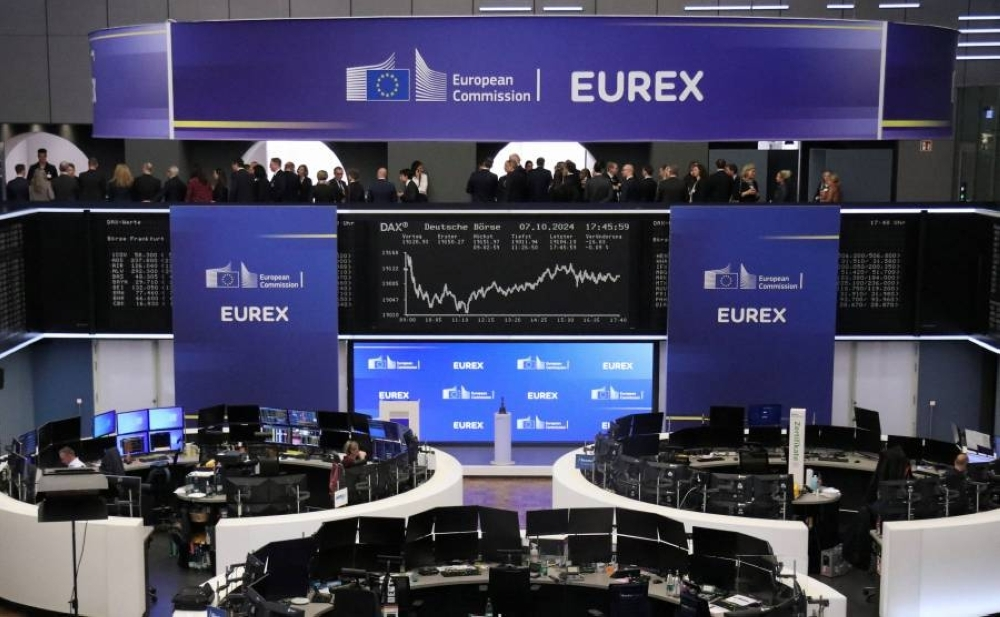
European stocks edged higher on Tuesday, recovering from multi-month lows. This rebound came as investors analyzed conflicting signals from the Middle East, particularly regarding geopolitical tensions. Meanwhile, gains in the energy sector helped to mitigate concerns about the potential impact of any disruption to global oil supplies.
On the numbers front, the pan-European STOXX 600 index rose 0.3% to 578.45 points by 08:03 GMT. This gain comes after the index plunged to lows in the previous session. Energy stocks led the recovery, buoyed by a significant rise in global crude oil prices.
Tensions in the Middle East and their historical impact on European stocks
Financial markets, particularly European stocks, have always been highly sensitive to geopolitical tensions in the Middle East. Historically, conflicts in this vital region have led to sharp fluctuations in energy prices, directly impacting production costs and inflation rates in Europe. In the current context, global stocks rebounded from previous sharp losses following statements by former US President Donald Trump suggesting a possible postponement of an attack on Iran, citing positive talks. However, Tehran quickly denied these claims, dismissing them as “outdated psychological tactics,” leaving investors in a state of cautious anticipation.
The performance of major companies in the market varied
At the individual company level, movements were markedly different. Shares of German software giant SAP fell by 2.2%, following JPMorgan Chase's decision to downgrade the company's stock from "overweight" to "neutral." Conversely, shares of Spanish cosmetics company Puig surged by a remarkable 16% after Estée Lauder announced it had entered into preliminary merger talks, whetting investor appetite in the retail and luxury goods sectors.
Economic importance and anticipated repercussions on markets
This market recovery is of paramount importance both regionally and internationally. Regionally, it reflects the European economy's ability to absorb external shocks and channel capital towards sectors that benefit, such as energy. Internationally, the stability of the European market sends reassuring messages to investors that the global economy remains resilient despite the challenges. On the macroeconomic front, experts and investors are now focused on key data, with the preliminary Purchasing Managers' Index (PMI) for the Eurozone due later today. These indicators will play a crucial role in determining the European Central Bank's monetary policy path and providing insight into the extent of the recovery in business and industrial activity under current conditions.