European markets showed mixed performance amid investor anticipation
European stock markets closed mixed on Tuesday, in a cautious session lacking a clear direction, reflecting a wait-and-see approach among investors who are carefully assessing upcoming economic data and the monetary policy stances of major central banks. The main indices showed divergent performance, reflecting the split in market sentiment across various European sectors and economies.
In closing details, the pan-European STOXX 600 index, which tracks the continent's leading companies, saw a slight decline of 0.04%, closing at 621.14 points. This marginal drop suggests that selling pressure slightly outweighed buying power across the continent, but without significant selling momentum.
The general economic context and the performance of national indicators
This cautious performance comes in a complex global economic context. Investors in Europe, as elsewhere, are heavily focused on the path of inflation and the interest rate decisions of both the European Central Bank and the US Federal Reserve. Any data indicating continued inflationary pressures could prompt central banks to keep interest rates high for longer, negatively impacting equity valuations and corporate borrowing costs.
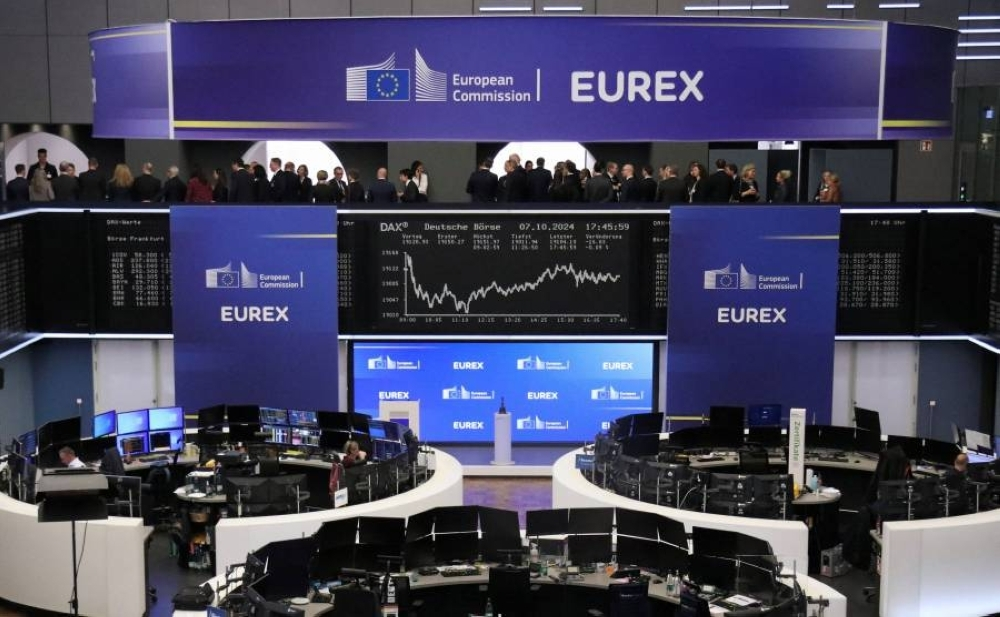
Across major national markets, indices showed mixed performance, reflecting the local conditions of each economy. In Germany, the DAX index, which tracks the performance of the 40 largest German companies, remained virtually unchanged at 25,003.87 points. This stability reflects the strength and resilience of the German industrial economy, but also indicates investor caution regarding the manufacturing and export sectors, which are sensitive to global demand.
In contrast, the French CAC 40 index managed a slight gain of 0.06%, reaching 8327.88 points. The French index's positive performance is often attributed to the strong performance of luxury goods stocks, which benefit from a global customer base and relative resilience to economic fluctuations.
Importance and expected impact
The mixed closing of European stocks is not just about numbers on a screen; it's a significant indicator of a "wait-and-see" phase the market is experiencing. The lack of a unified direction suggests that investors are divided in their outlook for the near future. This situation could persist until strong catalysts emerge, such as key inflation data releases, central bank meetings, or the next quarter's earnings reports from major companies. In the short term, European markets are expected to remain volatile, with investors reacting quickly to any new economic data or statements from monetary policymakers, making caution the dominant feature of trading.