أنهت الأسهم الأوروبية تداولاتها على انخفاض ملحوظ يوم الأربعاء، لتواصل مسارًا من الترقب الحذر الذي يسود الأسواق العالمية. جاء هذا التراجع في ظل مجموعة من العوامل الاقتصادية التي أثرت على معنويات المستثمرين، بدءًا من المخاوف المستمرة بشأن التضخم وصولًا إلى حالة عدم اليقين حول المسار المستقبلي لأسعار الفائدة من قبل البنك المركزي الأوروبي والبنوك المركزية الكبرى الأخرى.
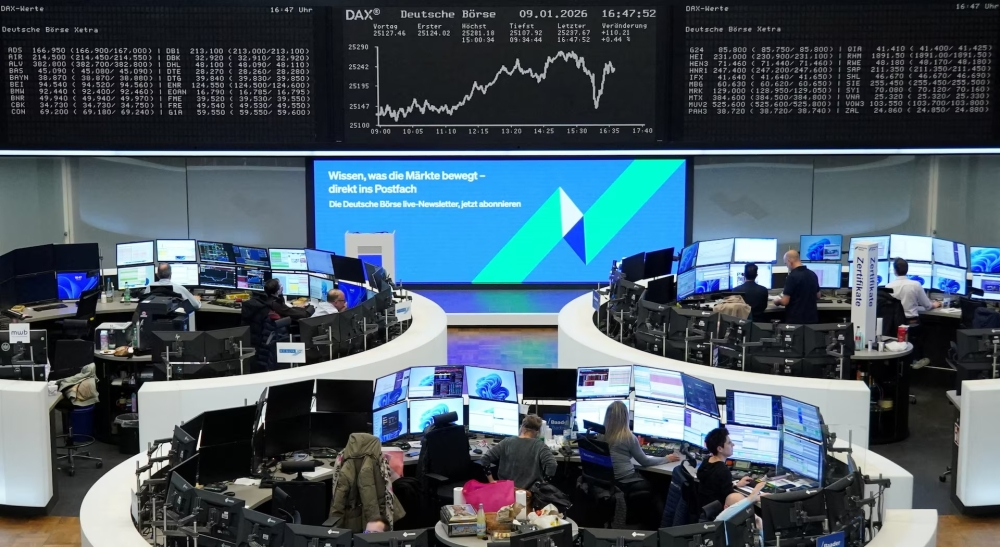
وتراجع مؤشر ستوكس 600 الأوروبي، الذي يعد مقياسًا واسعًا لصحة الأسواق في القارة، بنسبة 0.7% عند الإغلاق ليصل إلى 609.08 نقطة. وشملت الخسائر جميع البورصات الرئيسية في المنطقة، مما يعكس حالة القلق العامة. وفي تفاصيل أداء المؤشرات الوطنية، انخفض مؤشر كاك 40 الفرنسي بنسبة 1.06% ليغلق عند 8,066.68 نقطة، بينما هبط مؤشر فوتسي 100 البريطاني بنسبة 0.52% مسجلاً 10,154.43 نقطة. كما خسر مؤشر داكس الألماني، الذي يعتبر محرك الاقتصاد الأوروبي، 0.20% ليغلق عند 24,843.54 نقطة.
السياق العام وتقلبات قطاع التكنولوجيا
يأتي هذا الأداء في سياق اقتصادي عالمي معقد. فالمستثمرون يوازنون بين البيانات الاقتصادية المتباينة والسياسات النقدية المتشددة التي تهدف إلى كبح جماح التضخم، والتي قد تؤدي في الوقت نفسه إلى إبطاء النمو الاقتصادي. إن أداء مؤشر ستوكس 600، الذي يضم 600 من كبرى الشركات في 17 دولة أوروبية، يُنظر إليه على أنه مؤشر حيوي على ثقة الشركات والمستهلكين في المنطقة.
وكان قطاع التكنولوجيا وأشباه الموصلات في دائرة الضوء بشكل خاص خلال الجلسة. فعلى الرغم من أن شركة “ASML” الهولندية العملاقة، وهي لاعب رئيسي في سلسلة توريد الرقائق العالمية، أعلنت عن طلبيات تجاوزت توقعات المحللين وقدمت توجيهات مبيعات متفائلة لعام 2026، إلا أن سهمها شهد تقلبات حادة. قفز السهم بنسبة 5.9% في بداية التداولات، مما أعطى دفعة مؤقتة لأسهم الشركات النظيرة في أوروبا، لكنه سرعان ما عكس اتجاهه ليغلق منخفضًا بنسبة 1.9%. هذا التحول يسلط الضوء على أن الأخبار الإيجابية لشركة فردية، حتى لو كانت بحجم ASML، لم تكن كافية للتغلب على المعنويات السلبية السائدة في السوق الأوسع.
الأهمية والتأثير المتوقع
يعكس انخفاض الأسهم الأوروبية حالة من إعادة تقييم المخاطر من قبل المستثمرين. على الصعيد المحلي والإقليمي، قد يؤثر هذا التراجع على خطط الشركات للاستثمار والتوظيف، كما يضع ضغوطًا على صناديق التقاعد والاستثمار. أما على الصعيد الدولي، فإن ضعف الأسواق الأوروبية يمكن أن يكون له تداعيات على الأسواق العالمية الأخرى، حيث أن الاقتصادات أصبحت أكثر ترابطًا من أي وقت مضى. ويراقب المستثمرون عن كثب أي إشارات من البنك المركزي الأوروبي حول سياسته النقدية، حيث أن أي قرار برفع أو خفض أسعار الفائدة سيكون له تأثير مباشر وفوري على تقييمات الأسهم وتكلفة الاقتراض للشركات والمستهلكين على حد سواء.