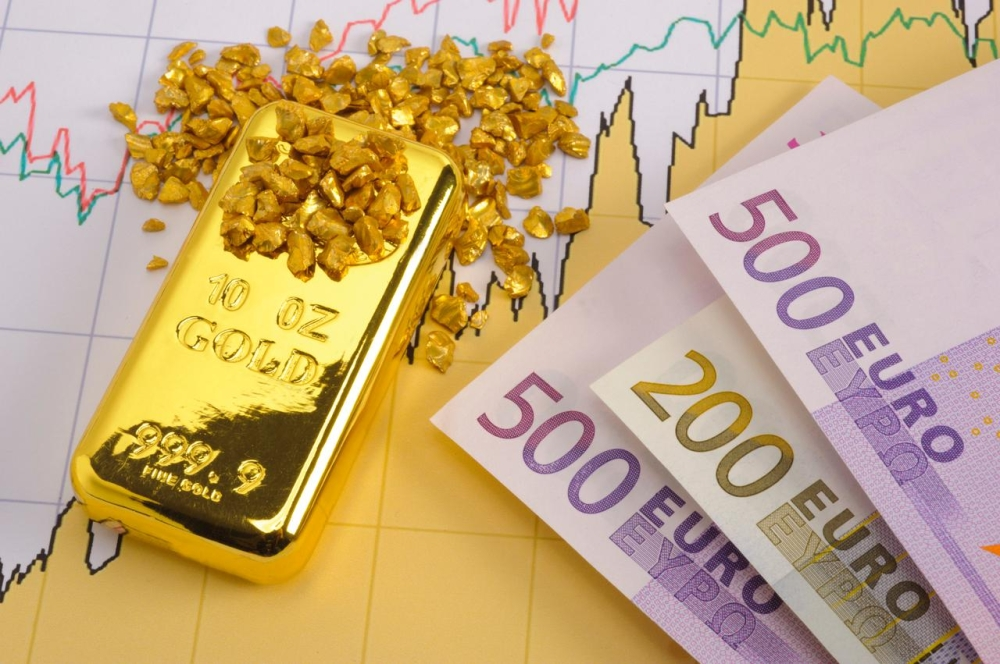
European stocks experienced a notable pause in their upward trend during today's trading session, as volatility in commodity markets weighed on the performance of the continent's main indices. This decline was primarily driven by falling gold prices, which led to strong selling pressure on mining stocks, limiting the market's ability to extend the gains achieved in previous sessions.
According to market data, the pan-European STOXX 600 index fell 0.06% by 08:06 GMT. This slight decline comes just one day after the index reached a new record high, reflecting profit-taking and caution among investors amid current economic developments.
The impact of gold prices on the mining sector
The most significant factor in this decline was the 1% drop in mining sector stocks, making it the biggest loser among the sectors included in the index. This decline is closely linked to the direct correlation between mining companies' profits and the prices of precious and industrial metals. When gold prices fall—often due to a stronger dollar or changing expectations regarding US interest rates—the profit margins of these companies are affected, prompting investors to sell their shares.
Economic context and performance of other sectors
Despite the pressure exerted by the basic resources sector, other sectors attempted to offset the losses. Defense stocks saw positive movements, but the weight of mining losses limited these gains and kept the markets in slight negative territory. This divergence in performance highlights the diverse nature of the Stoxx 600 index, which comprises the largest companies in 17 European countries and is considered a key indicator of the health of the European economy.
Historical background and market expectations
Historically, the relationship between stock and commodity markets has been a vital indicator for understanding global economic trends. During periods of uncertainty surrounding central bank policies, particularly regarding the timing of interest rate cuts, gold prices tend to fluctuate, which is immediately reflected in European financial markets, home to numerous mining and energy giants.
Analysts believe that this slight decline does not negate the overall positive trend of the market, but rather serves as a "warrior's rest" to catch one's breath after record levels, while awaiting new economic catalysts or data that clarify the course of monetary policy in the Eurozone and the United States of America during the coming period.