Mixed performance for major European indices
European stock markets closed mixed on Wednesday, in a session reflecting caution and anticipation among investors assessing a mix of economic data and monetary policy expectations from major central banks. While the pan-European STOXX 600 index posted slight gains, some major national stock exchanges saw notable declines.
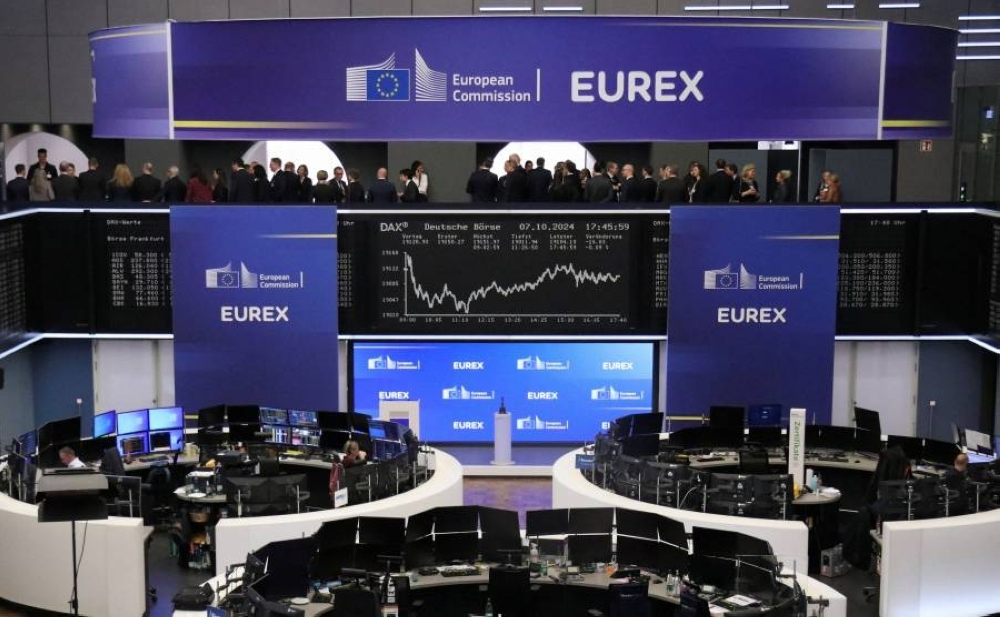
The pan-European STOXX 600 index rose marginally by 0.17%, closing at 622.04 points, supported by positive performance in some sectors. In contrast, the main indices in the Eurozone's two largest economies showed negative performance; Germany's DAX index fell by 0.44% to 24,875.66 points, while France's CAC 40 index recorded losses of 0.18%, closing at 8,313.24 points.
The economic context and its impact on markets
This mixed performance comes against a complex economic backdrop. Investors in Europe, as in the rest of the world, are heavily focused on the path of inflation and the interest rate decisions made by the European Central Bank and the US Federal Reserve. Any data indicating continued inflationary pressures could prompt central banks to keep interest rates high for longer, which negatively impacts corporate profits and borrowing costs, and consequently, stock valuations.
The decline in Germany's DAX index, which includes major industrial and export companies, may reflect concerns about slowing global economic growth and demand for German goods. Meanwhile, France's CAC 40 index, which includes several leading luxury goods companies, is affected by fluctuations in consumer spending both domestically and internationally.
Importance and expected effects
The mixed performance of European stocks is indicative of the uncertainty prevailing in the markets. When major indices don't move in a single direction, it means investors are carefully selecting their investments based on the performance of specific sectors or news from individual companies, rather than being swayed by a general sense of optimism or pessimism across the entire market.
Regionally, this disparity underscores the diverse challenges facing European economies. While some countries may benefit from certain sectors, others, such as Germany, face challenges in their vital industrial sector. Internationally, the performance of European markets is closely watched by global investors, as it can influence global capital flows and offer insights into the health of the global economy, given Europe's close ties to American and Asian markets.