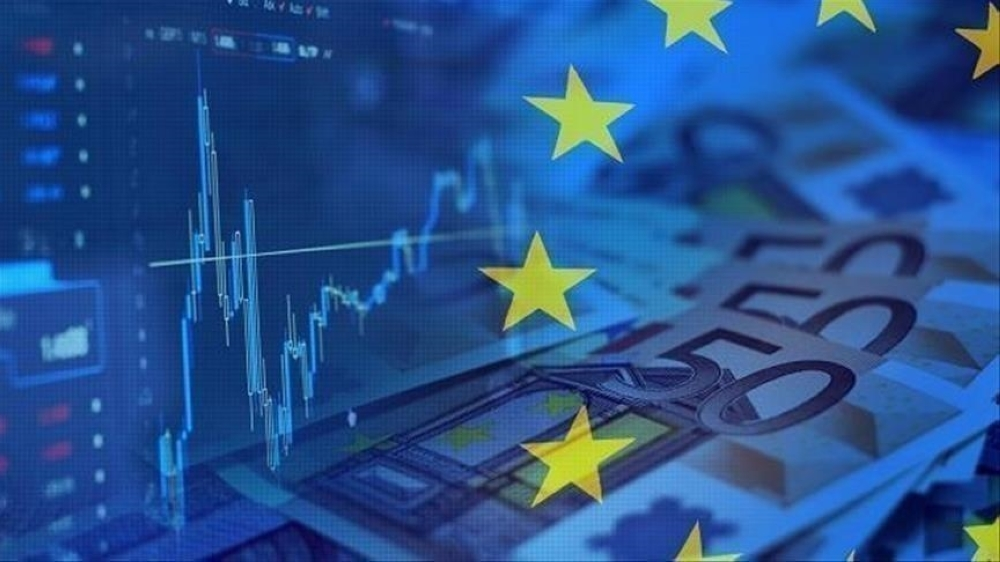
شهدت الأسهم الأوروبية في ختام تداولات اليوم حالة من التباين الملحوظ في الأداء، حيث سيطرت حالة من الحذر على المستثمرين، مما أدى إلى تراجع المؤشر القياسي الموحد للمنطقة، في حين سجلت بعض المؤشرات الوطنية تحركات طفيفة بين الصعود والهبوط. ويأتي هذا الأداء في وقت تترقب فيه الأسواق العالمية إشارات اقتصادية جديدة قد تحدد مسار السياسات النقدية في الفترة المقبلة.
أداء المؤشرات الأوروبية الرئيسية
في مقدمة الخاسرين اليوم، سجل مؤشر (ستوكس 600) الأوروبي، الذي يعتبر مقياساً واسعاً لأداء السوق في القارة العجوز، انخفاضاً بنسبة 0.52%، ليغلق عند مستوى 610.44 نقطة. يعكس هذا التراجع ضغوطاً بيعية طالت عدداً من القطاعات الحيوية المدرجة ضمن المؤشر.
على صعيد الأسواق الوطنية، خالف مؤشر (داكس) الألماني الاتجاه العام الهابط بشكل طفيف جداً، حيث تمكن من تحقيق مكاسب هامشية بنسبة 0.02%، ليستقر عند مستوى قياسي بلغ 25411.44 نقطة، مما يظهر تماسكاً نسبياً في أكبر اقتصاديات منطقة اليورو. في المقابل، لم يسلم السوق الفرنسي من موجة التراجع، حيث سجل مؤشر (كاك 40) خسائر بنسبة 0.14%، منهياً الجلسة عند مستوى 8347.20 نقطة.
بورصة لندن وتأثيرات السوق المالي
بالانتقال إلى المملكة المتحدة، سار السوق البريطاني على نهج نظيره الأوروبي العام، حيث أغلق مؤشر بورصة لندن الرئيس (فوتس 100) على انخفاض طفيف بلغت نسبته 0.03%. وسجل المؤشر، الذي يضم أكبر مئة شركة مدرجة في سوق لندن للأوراق المالية من حيث القيمة السوقية، خسائر تعادل 3.35 نقطة، ليغلق عند مستوى 10137.35 نقطة.
السياق الاقتصادي وأهمية الحدث
يُعد هذا التباين في إغلاق الأسهم الأوروبية مؤشراً هاماً على حالة عدم اليقين التي قد تسود الأسواق المالية في بعض الفترات. عادة ما يتأثر مؤشر "ستوكس 600" والمؤشرات الأوروبية الأخرى بمجموعة من العوامل الاقتصادية الكلية، مثل معدلات التضخم، وقرارات البنك المركزي الأوروبي وبنك إنجلترا بشأن أسعار الفائدة، بالإضافة إلى البيانات المتعلقة بالنمو الاقتصادي في منطقة اليورو.
تكتسب هذه التحركات أهميتها من كون الأسواق الأوروبية جزءاً لا يتجزأ من النظام المالي العالمي؛ فأي تذبذب في مؤشراتها الرئيسية قد يلقي بظلاله على معنويات المستثمرين في الأسواق الأمريكية والآسيوية. ويشير الخبراء الاقتصاديون عادةً إلى أن التباين بين الأسواق (مثل صعود الداكس مقابل هبوط كاك وستوكس) قد يعكس اختلافات في الأداء الاقتصادي المحلي لكل دولة، أو تبايناً في أداء القطاعات المكونة لكل مؤشر، مثل قطاع الطاقة، البنوك، أو التكنولوجيا.
في الختام، يبقى المستثمرون في حالة مراقبة دقيقة للبيانات الاقتصادية القادمة لتحديد ما إذا كان هذا التراجع في المؤشر الموحد هو مجرد حركة تصحيحية مؤقتة أم بداية لاتجاه هبوطي أوسع، خاصة في ظل المستويات السعرية الحالية للمؤشرات.