European stocks closed mixed on Wednesday, as investors across the continent remained cautious. The session saw varying movements among the major indices, with some markets managing modest gains while others declined under selling pressure and profit-taking.
Details of European index closings
The following movements were observed in the figures recorded by the European stock exchanges:
- The pan-European STOXX 600 index rose 0.10% to close at 576.22 points . This index is a broad measure of stock performance across Europe, encompassing large, medium, and small companies in 17 European countries.
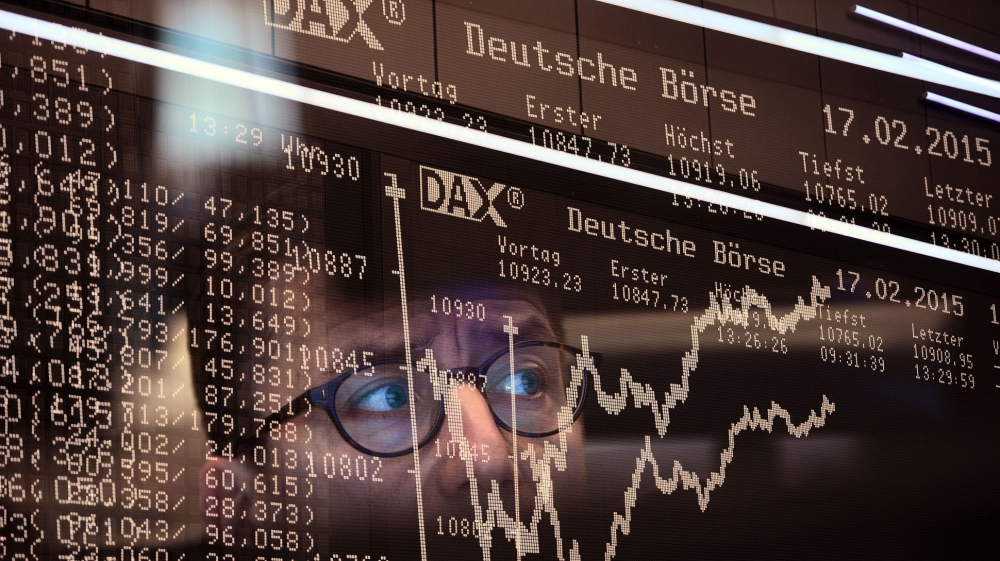
- The German DAX index bucked the upward trend of some of its peers, declining by 0.12% to close at 23,682.45 points . This drop reflects potential pressure on the industrial or technology sectors in Europe's largest economy.
- The French CAC 40 index performed relatively well among the three, rising by 0.32% to reach a level of 8087.42 points , supported by the performance of leading companies in the French market.
Context of European financial markets
This divergence in European stock at a time when global markets are facing multiple economic challenges. These indices are typically directly influenced by monetary policy decisions issued by the European Central Bank (ECB) , particularly regarding interest rates and inflation. The Stoxx 600 index's stability in positive territory, albeit slightly, suggests a degree of resilience in investor sentiment despite the economic uncertainty.
The importance of key indicators and their implications
To understand the depth of these movements, one must look at the nature of each indicator:
- DAX index is considered a barometer of the European industrial economy, given its composition of major automotive and heavy industry companies. Any decline in the index could reflect concerns about supply chains or global demand.
- In contrast, CAC 40 index many luxury goods and energy companies, which are often a major driver of growth during times of volatility in other markets.
Economic impact and investor expectations
A mixed market close typically reflects a repositioning of investment portfolios. Economic analysts closely monitor these figures as they provide early indicators of the Eurozone's economic health. The divergence between Germany and France may point to differences in each country's domestic economic data or variations in the performance of the sectors comprising each index.
In conclusion, all eyes remain on the upcoming economic data and corporate earnings reports, which will be the decisive factor in determining the direction of European stocks in the coming sessions, whether towards breaking new resistance barriers or entering corrective waves.