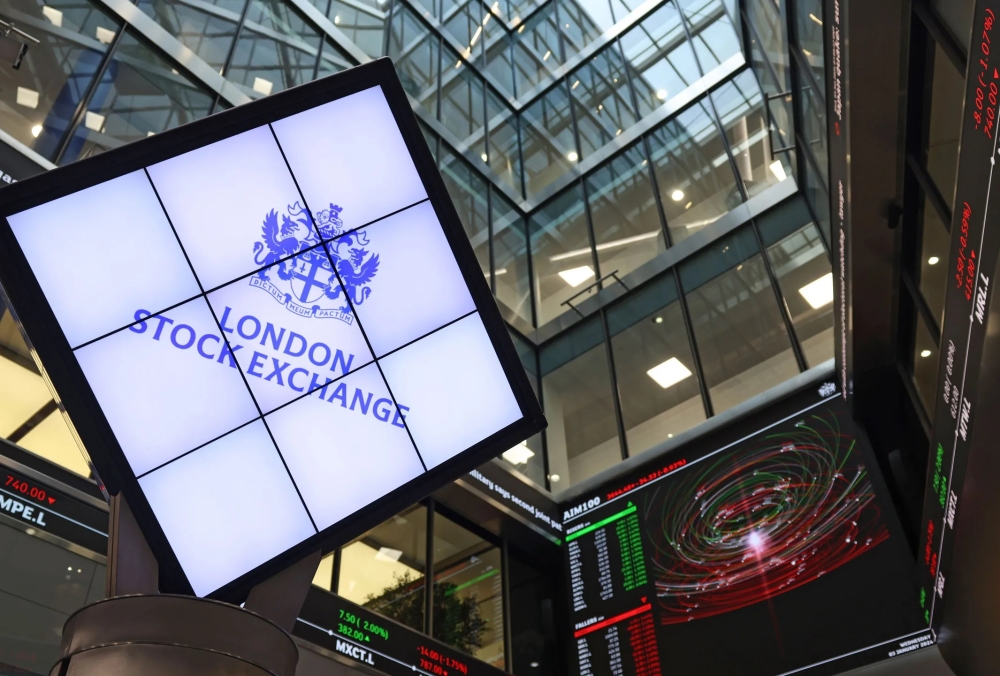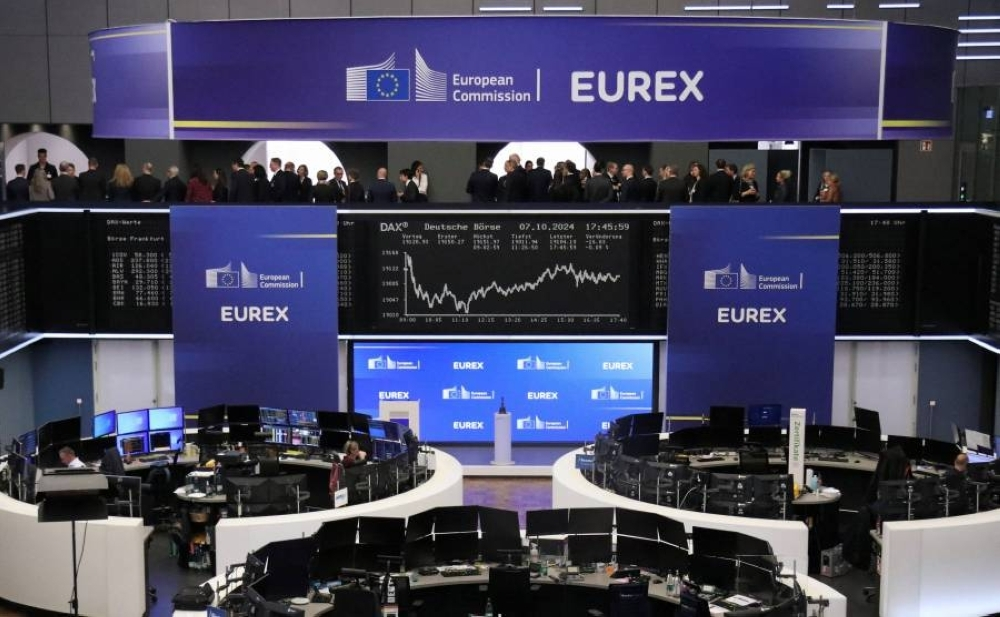
European stock markets closed mixed on Thursday, with major indices reflecting investor caution as they assessed conflicting economic data and expectations for the European Central Bank's future monetary policy. While some exchanges posted slight gains, others declined, highlighting the divergent views on the economic trajectory of the continent.
Performance of major European indices
At the close of trading, the pan-European STOXX 600 index fell 0.49% to settle at 618.52 points. This index is considered a broad gauge of market health in the region, comprising the shares of major companies from various sectors across 17 European countries. Its decline reflects selling pressure that prevailed in certain sectors.
On the domestic markets, Germany's DAX index, which tracks the performance of the 40 largest German companies, edged down slightly by 0.11% to close at 24,827.83 points. The German market's performance is often influenced by manufacturing and export data, which have recently faced challenges. In contrast, France's CAC 40 index gained 0.33%, reaching 8,340.56 points, supported by strong performance from luxury goods and services stocks, which comprise a significant portion of the index.
The economic context and its impact on markets
This mixed performance comes within a complex global economic context. Investors in Europe are weighing several key factors, most notably the trajectory of inflation, which remains a concern despite having fallen from its peak. The European Central Bank's interest rate decisions are the primary market driver, with any hint of a delayed rate cut or continued monetary tightening dampening risk appetite.
In addition, economic data from the Eurozone, such as Purchasing Managers' Index (PMI), unemployment rates, and GDP growth, play a crucial role in shaping investor sentiment. Any data indicating an economic slowdown could increase pressure on stocks, while positive data suggests economic resilience and boosts confidence.
Importance and expected effects
The mixed close of European markets reflects uncertainty about the near future. On the one hand, there is cautious optimism that inflation is under control and that central banks may soon begin a cycle of monetary easing. On the other hand, geopolitical risks, such as the ongoing conflict in Ukraine and global trade tensions, continue to cast a shadow over the economic landscape.
In the short term, markets are expected to remain volatile as investors react to each new batch of economic data and statements from central bank officials. The performance of specific sectors, such as technology, energy, and banking, will be an important indicator of the overall market direction in the coming months.