European stock markets experienced a volatile trading session, closing across the board lower, as investors remained cautious due to a range of economic and geopolitical factors. The pan-European STOXX 600 index, which tracks the continent's leading companies, ended the day down 1.05%, settling at 611.66 points, reflecting widespread negative sentiment in the region.
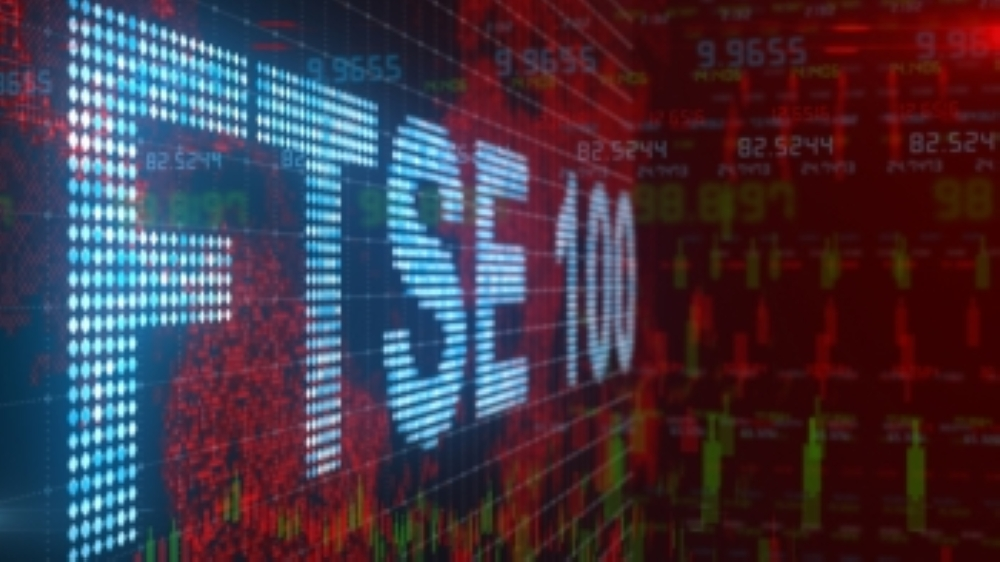
Major European stock exchanges were not immune to the downturn. In Germany, the economic engine of the European Union, the DAX index fell 0.63%, closing at 24,448.58 points. In France, the CAC 40 index lost 0.29%, ending the session at 8,238.17 points. And in the United Kingdom, the FTSE 100 index on the London Stock Exchange declined 0.90%, shedding 93.12 points to close at 10,309.22 points.
Background to the decline and market context
This negative performance comes within a complex global economic context. Investors continue to assess the monetary policy trajectory of major central banks, particularly the European Central Bank and the Bank of England. Despite expectations of an impending easing cycle and interest rate cuts, concerns persist about continued inflationary pressures, which could prompt these banks to exercise caution. Any economic data indicating higher-than-expected inflation or slower-than-anticipated growth increases uncertainty and pushes markets lower.
The importance of the event and its expected impact
The decline in European indices serves as a gauge of confidence in the regional economy. These indices not only reflect the performance of listed companies but also indicate investor expectations regarding future economic growth and profits. Regionally, this decline can impact corporate investment decisions and consumer confidence. Internationally, financial markets are closely interconnected, and any weakness in Europe can have repercussions in US and Asian markets, as global investors reassess their portfolios based on increased risk. This widespread downturn underscores the current preference among investors for safer assets amidst the prevailing uncertainty in the global economic landscape.