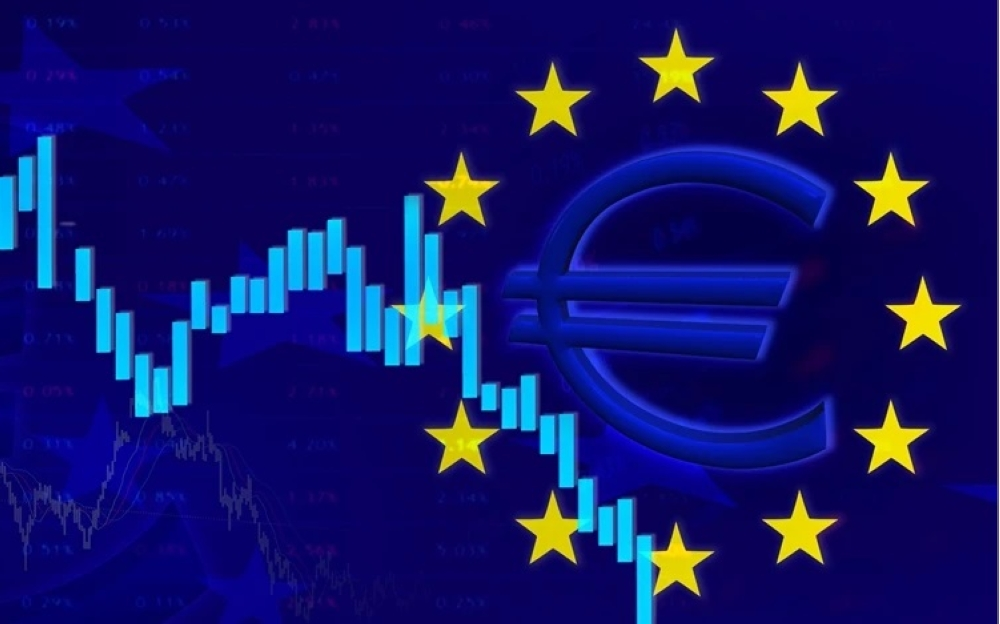
أغلقت أسواق الأسهم الأوروبية تداولاتها على ارتفاع جماعي ملحوظ، مدعومة بتفاؤل المستثمرين حيال البيانات الاقتصادية المستقبلية والتوجهات المحتملة للسياسة النقدية من قبل البنك المركزي الأوروبي. وعكست هذه المكاسب تحسناً في معنويات السوق بعد فترة من الترقب والحذر.
وقد شهد المؤشر الرئيسي ستوكس 600 الأوروبي (STOXX 600)، الذي يضم مجموعة واسعة من كبرى الشركات في القارة، صعوداً قوياً بنسبة 1.09%، ليغلق عند مستوى 574.22 نقطة. ويُعتبر أداء هذا المؤشر مقياساً رئيسياً لصحة الأسواق الأوروبية بشكل عام، ويشير ارتفاعه إلى ثقة واسعة النطاق بين المستثمرين في مختلف القطاعات.
أداء المؤشرات الرئيسية في أوروبا
لم يقتصر الأداء الإيجابي على المؤشر العام، بل امتد ليشمل البورصات الوطنية الكبرى. ففي ألمانيا، التي تعد أكبر اقتصاد في أوروبا، ارتفع مؤشر داكس (DAX) الألماني بنسبة 0.98%، منهياً تداولاته عند مستوى 23695.23 نقطة. ويعكس هذا الصعود قوة أداء الشركات الصناعية والتكنولوجية الألمانية الرائدة.
وفي فرنسا، ثاني أكبر اقتصاد في منطقة اليورو، سجل مؤشر كاك 40 (CAC 40) الفرنسي زيادة بنسبة 0.88%، ليصل عند الإغلاق إلى مستوى 8096.43 نقطة. وغالباً ما يتأثر هذا المؤشر بأداء شركات قطاع الرفاهية والسلع الفاخرة، التي تشكل جزءاً كبيراً من مكوناته.
السياق الاقتصادي وتأثيره على الأسواق
يأتي هذا الارتفاع في وقت حساس للاقتصاد العالمي والأوروبي. فالمستثمرون يحللون عن كثب بيانات التضخم ومؤشرات النمو الاقتصادي، والتي تلعب دوراً حاسماً في تحديد مسار أسعار الفائدة من قبل البنك المركزي الأوروبي. وتشير التوقعات المتزايدة بأن البنك قد يتجه نحو تيسير سياسته النقدية وخفض أسعار الفائدة في المستقبل القريب إلى تعزيز شهية المخاطرة لدى المستثمرين، مما يدفع أسواق الأسهم للارتفاع.
تاريخياً، مرت الأسواق الأوروبية بفترات من التقلب تأثراً بعوامل جيوسياسية، وأزمة الطاقة، وارتفاع معدلات التضخم. إلا أن الأداء الأخير يشير إلى قدرة الاقتصاد الأوروبي على التكيف وبناء زخم إيجابي، مما يعزز الثقة في استقرار الشركات وقدرتها على تحقيق الأرباح.
الأهمية والتوقعات المستقبلية
إن الارتفاع الجماعي للأسهم الأوروبية لا يعزز ثروات المستثمرين فحسب، بل يحمل دلالات أوسع على الصعيدين الإقليمي والدولي. فعلى المستوى الإقليمي، يشير إلى تزايد الثقة في التعافي الاقتصادي لمنطقة اليورو. أما دولياً، فإن أداء أوروبا القوي يساهم في استقرار الأسواق المالية العالمية، خاصة في ظل ارتباطها الوثيق بالأسواق الأمريكية والآسيوية. يتطلع المحللون الآن إلى تقارير أرباح الشركات القادمة والبيانات الاقتصادية الجديدة للحصول على مؤشرات إضافية حول استدامة هذا الاتجاه الصعودي.