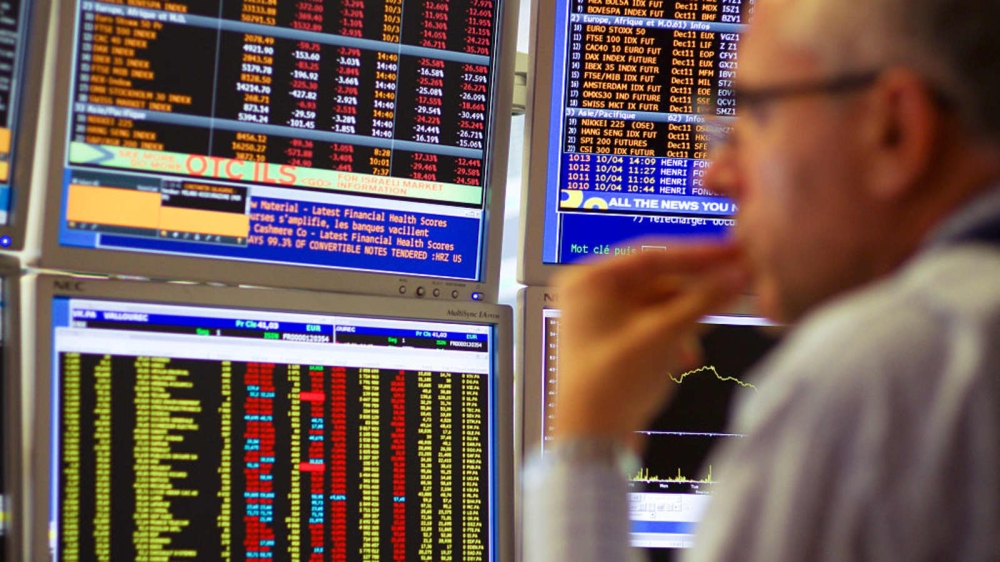
European stock markets closed higher today, buoyed by investor optimism regarding economic data and monetary policy expectations. The STOXX 600 , which tracks the continent's leading companies, rose 1.03% to close at 617.30 points, reflecting improved market sentiment.
Performance of major European indices
The positive performance wasn't limited to the general index; it extended to most major national stock exchanges. In Germany, the DAX , a measure of the performance of Europe's largest economy, led the upward trend with a 1.08% rise, reaching 24,781.36 points. CAC 40 solid gains of 0.67%, closing at 8,181.17 points, confirming the prevailing upward trend in the region.
The economic context and underlying factors driving the rise
This rise comes in a complex economic context, as investors weigh indicators of slowing inflation against the impact of the high interest rates implemented by the European Central Bank over the past two years to curb price increases. Markets often react positively to any data suggesting the possibility of monetary policy easing or the start of an interest rate cut cycle, as this reduces borrowing costs for companies and boosts stock valuations. Earnings reports from major companies also play a crucial role in driving index movements, with strong results giving investors a boost of confidence in companies' ability to achieve growth despite the challenges.
Importance and expected impact of markets
The performance of European stocks is a vital indicator of the health of the Eurozone and global economies. The continued rise in indices such as the Stoxx 600 and the DAX not only boosts investors' wealth but also signals economic stability, which can encourage companies to increase their investments and hire more workers. Internationally, the strong performance of European stocks attracts foreign capital, supporting the value of the euro and reinforcing Europe's position as a global financial center. Analysts are closely monitoring the continuation of this momentum, which will depend heavily on future decisions by the European Central Bank and upcoming economic data from the United States and China, Europe's two main trading partners.
The performance of the British pound in the currency markets
Meanwhile, the British pound saw mixed movements in the currency markets. It edged down slightly against the US dollar by 0.23%, closing at $1.3657 in London. This decline reflects the relative strength of the dollar in global markets. Conversely, the pound strengthened against the euro, rising 0.10% to €1.1564. These movements often reflect differences in economic forecasts and monetary policies between the Bank of England, the European Central Bank, and the US Federal Reserve.