European stock markets saw a positive trading session, with major indices closing significantly higher amid cautious optimism among investors. Germany's DAX index led the gains, posting strong increases and reflecting improved sentiment towards Europe's largest economy.
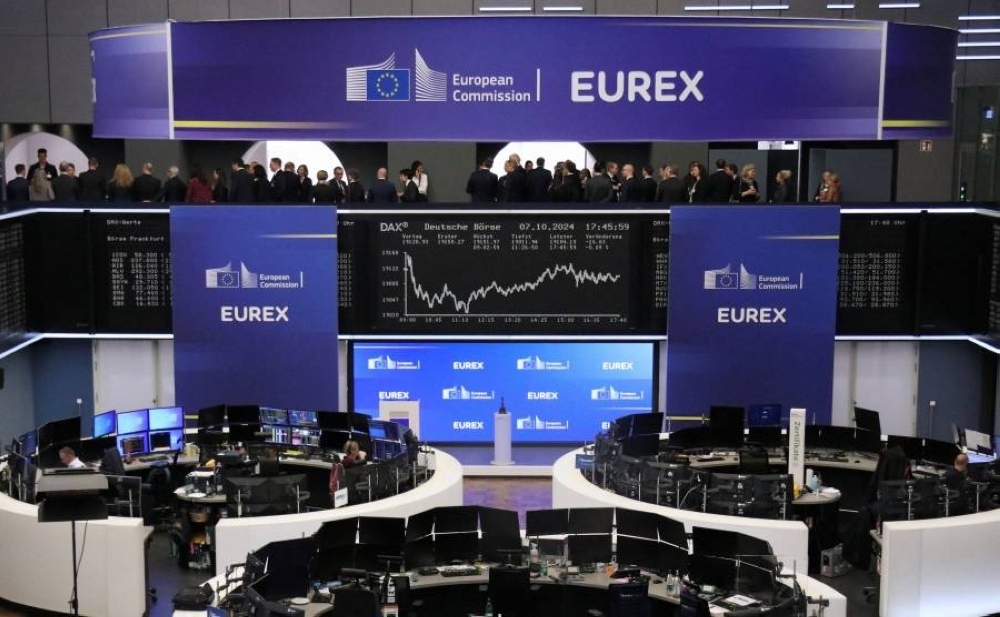
At the close, the pan-European Stoxx 600 index, which includes a broad range of the continent's largest companies, rose 0.89% to 617.08 points. The best performer was Frankfurt's DAX index, which jumped 1.11% to close at 24,720.53 points. In Paris, the French CAC 40 index gained 0.43%, ending the session at 8,273.84 points.
Economic context and interest rate expectations
This positive performance comes in a complex global economic context. After a prolonged period of combating high inflation through tight monetary policies by the European Central Bank and other central banks worldwide, data has begun to emerge indicating a slowdown in the pace of price increases. These indicators give investors hope that the cycle of interest rate hikes has reached its end, and that the next step could be a rate cut to support economic growth. Furthermore, some positive economic data from the Eurozone, such as improvements in the Purchasing Managers' Index (PMI) in the services and manufacturing sectors, have contributed to boosting confidence in the European economy's ability to avoid a deep recession.
The importance of performance and its impact on investors
The rise in stocks reflects growing confidence in the stability of the European economy and the ability of companies to generate strong profits. Investors view the performance of Germany's DAX index, which includes major industrial and technology companies, as a barometer of the overall economic health of the continent. Expectations of monetary easing by the European Central Bank later this year are the main driver of this upward trend, as lower interest rates reduce borrowing costs for companies and make investing in stocks more attractive compared to fixed-income assets such as bonds.
Currency movements in European markets
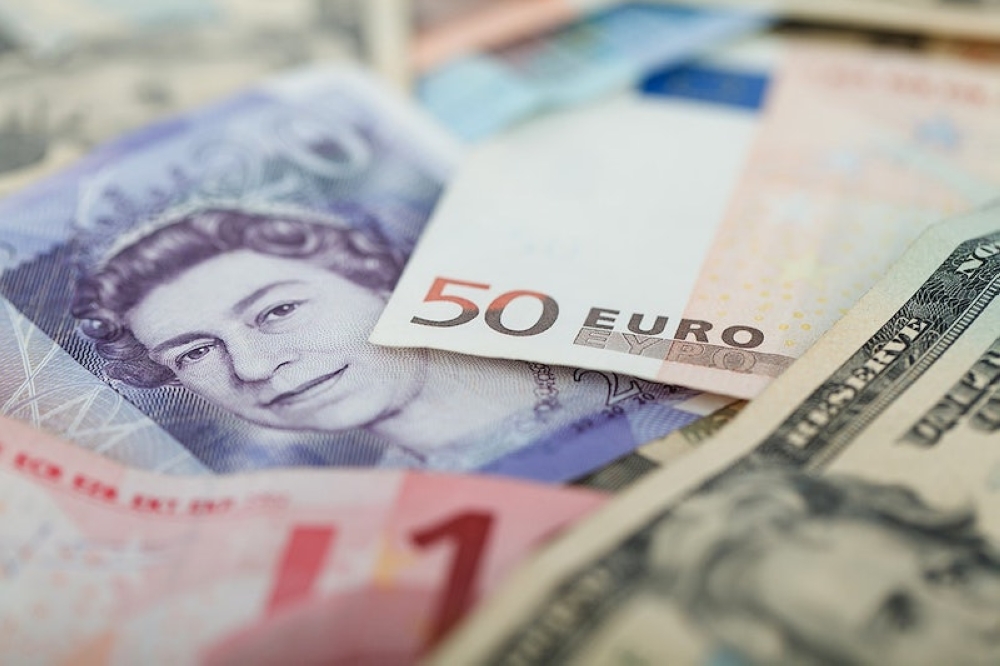
In the currency markets, the British pound performed strongly. It rose significantly against both the US dollar and the euro. At the close of London trading, the pound was trading at $1.3614, up 0.58%. Meanwhile, against the euro, the pound climbed 0.30% to €1.1520. This rise typically reflects positive expectations about the UK economy or speculation that the Bank of England may maintain higher interest rates for a longer period than its counterparts.