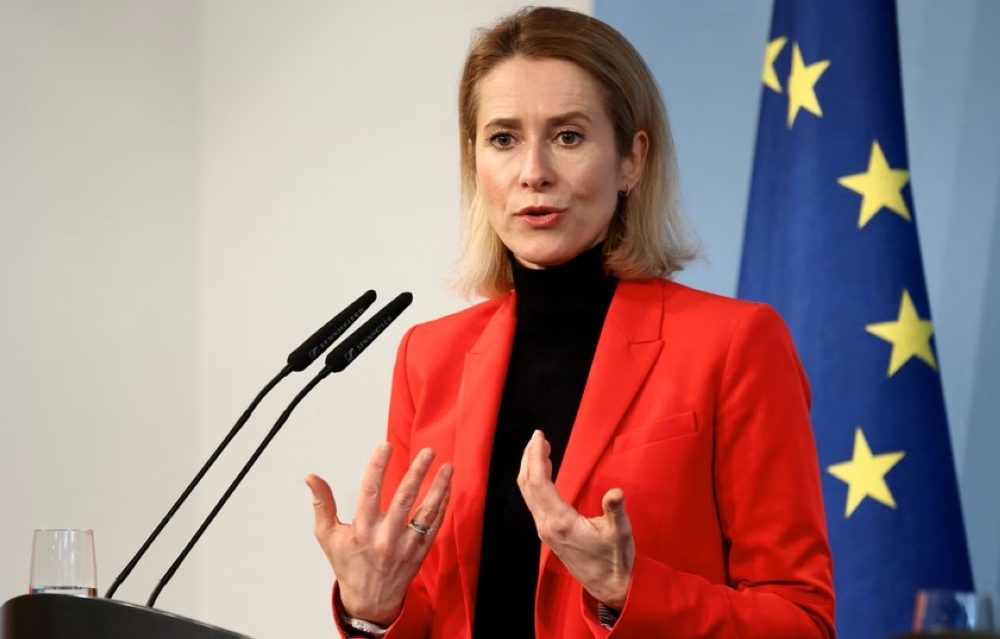
In strong remarks at the Munich Security Conference, EU foreign policy chief Kaja Kallas condemned what she called the US “aggression” against Europe, while also stressing the need for Russia to make substantial concessions in any future negotiations to end its war in Ukraine. These remarks reflect growing European concerns about the reliability of its allies and underscore the urgent need to strengthen the continent’s self-defense capabilities.
Tense atmosphere at the Munich Security Conference
The Munich Security Conference, held annually in Germany, is one of the world's most important forums for discussing security and defense policies. Statements made at this conference carry particular weight, as it brings together world leaders and decision-makers. Callas's remarks came at a critical juncture, amid growing doubts about the future of the transatlantic relationship, especially given recent statements by former US President Donald Trump questioning the United States' commitment to defending NATO allies who fail to meet their financial obligations.
The importance of European decision-making independence
Callas emphasized that Europe must take the lead in its own defense, stating that “European defense begins in Ukraine.” This call is not new, but it gained significant momentum after Russia’s 2012 invasion of Ukraine, which exposed Europe’s heavy reliance on the American security umbrella. Callas explained, “There is an urgent need to restore European self-reliance,” referring to the necessity of building strong defense industries and greater military coordination among member states to independently address threats when necessary.
A firm stance towards Russia
Regarding the war in Ukraine, the European official stressed that any peaceful settlement must not come at the expense of Ukraine's sovereignty or reward the aggressor. She stated that the greatest threat currently posed by Russia is "to gain at the negotiating table what it failed to achieve on the battlefield." She called for the containment of the Russian military and for Moscow to be held accountable for its war crimes, as well as for it to be compelled to pay for the enormous damage it has caused in Ukraine. She added that Russia "is not the superpower" it claims to be, and that the West must continue its strong support for Ukraine to ensure the defeat of the aggression.
Regional and international impacts
These positions represent a strategic shift in European thinking, as the continent seeks to achieve “strategic autonomy” that will enable it to protect its interests and security. Internationally, strengthening European defense capabilities could reshape the global balance of power and influence the dynamics of NATO. Furthermore, a unified and firm European stance toward Russia sends a clear message that violations of international law will not go unpunished, thus forming a cornerstone for maintaining global stability.