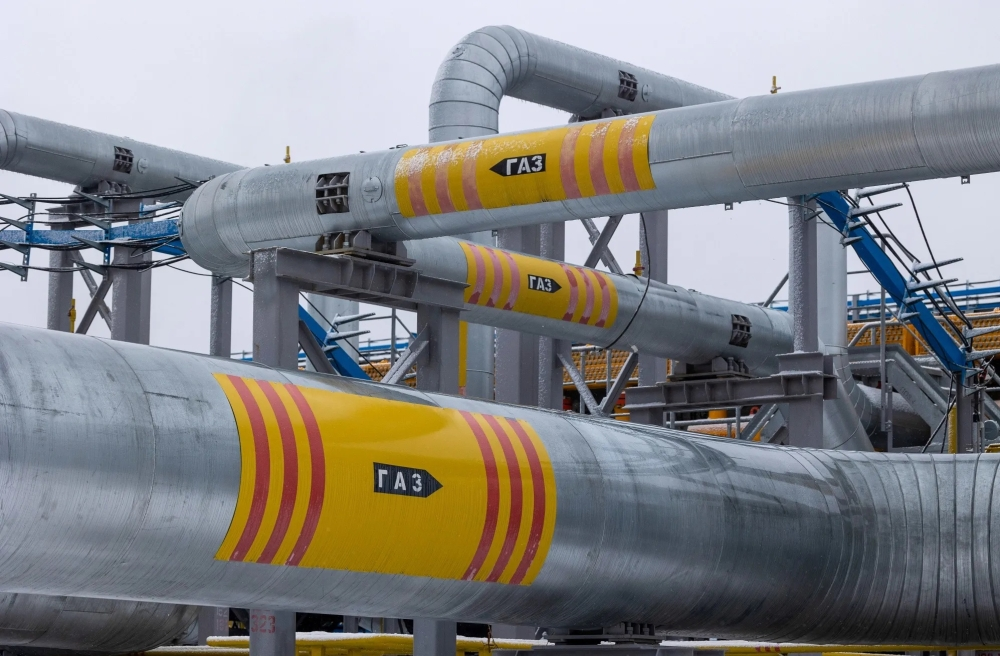
Natural gas prices in Europe have fallen sharply, with futures contracts hitting their lowest level in five weeks. This decline is driven by weather forecasts predicting milder-than-usual temperatures in the coming days, which will reduce heating demand and ease pressure on gas inventories that have seen rapid drawdowns during previous cold spells.
Dutch gas futures for the first month, a key benchmark for European gas prices, fell by as much as 6.9%, settling at around €31.07 per megawatt-hour. This decline reflects a temporary respite in markets that have remained volatile since the beginning of the year, influenced by a range of factors including climate change, production disruptions, and global geopolitical risks.
Context of the European energy crisis
To understand the significance of this development, it is necessary to revisit the severe energy crisis that Europe faced in 2022. Following Russia's invasion of Ukraine, Russia drastically reduced gas supplies via major pipelines, driving prices to historic highs and threatening the continent's energy security. In response, EU countries swiftly took drastic measures to diversify their energy sources, significantly increasing imports of liquefied natural gas (LNG), particularly from the United States and Qatar, accelerating the filling of storage facilities before winter, and launching conservation campaigns.
Importance of storage levels and weather
Although Europe successfully navigated the 2022-2023 winter without major disruptions, the market remains highly sensitive to any changes. Storage levels and weather conditions are crucial factors in determining price direction. Currently, EU storage levels are below 34% of total capacity, the lowest since the peak of the crisis in 2012. In Germany, the region's largest economy and gas market, levels have fallen below 24%. These figures make the market vulnerable to shocks, as any prolonged cold snap or unexpected supply disruption could trigger a rapid price spike.
Expected impacts locally and internationally
Domestically in Europe, the current price decline offers relief to consumers and industries struggling with high energy bills and helps to curb inflation. Internationally, the drop in European demand for spot LNG shipments could lead to lower prices in the global market, benefiting other buyers, particularly in Asia. However, the consultancy Inspired cautioned that short-term gas contracts will remain highly sensitive to storage and weather conditions, noting that concerns about dwindling inventories could limit the extent of price declines in the long term, thus maintaining uncertainty in the global energy market.