Diplomatic escalation: Five European countries accuse Russia of poisoning Navalny
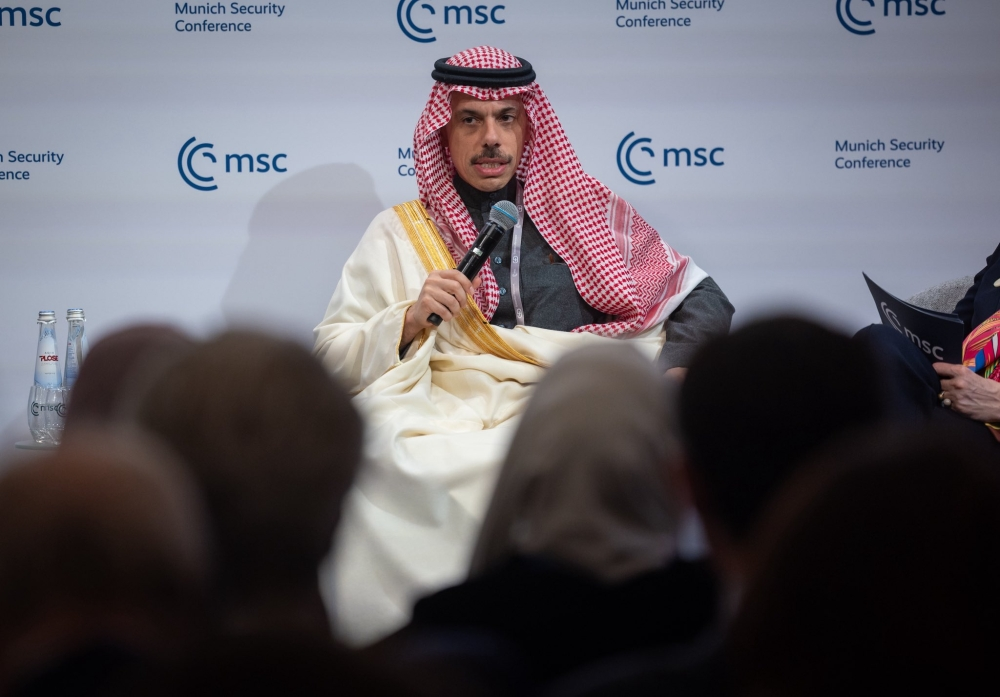
In a remarkable diplomatic move, five major European countries – Britain, France, Germany, Sweden and the Netherlands – directly accused Russia of being behind the death of prominent opposition figure Alexei Navalny in prison in February 2024. This accusation came in a joint statement issued on the sidelines of the Munich Security Conference, asserting that the death was not natural, but rather resulted from the use of a “rare and deadly toxic substance.”.
Historical background: Navalny's career and tragic end
Alexei Navalny is one of the most prominent and outspoken critics of Russian President Vladimir Putin and government corruption in Russia over the past decade. He rose to prominence as an activist and blogger exposing major corruption cases before leading mass protests across the country. Navalny survived an assassination attempt in August 2020 using the nerve agent Novichok, a chemical weapon developed in the Soviet era. After surviving the attack and receiving treatment in Germany, he made the courageous decision to return to Russia in January 2021, where he was immediately arrested upon arrival and sentenced to prison on charges he and his supporters described as politically motivated. On February 16, 2024, Russian prison authorities announced his death in the Arctic penal colony known as "Arctic Wolf," sparking international condemnation and skepticism about the official account.
Details of the charge and type of poison used
The joint European statement explained that “coordinated and systematic work, based on rigorous laboratory analysis, confirmed the presence of a deadly poison in samples taken from Alexei Navalny’s body.” The statement, spearheaded by the British Foreign Office, indicated that the toxic substance discovered is typically found in the skin of Ecuadorian poison dart frogs, and is a rare and highly potent toxin. His widow, Yulia Navalnaya, commented on the findings, saying, “Two years ago I said that Vladimir Putin murdered my husband… and today, those words have been scientifically proven.”.
Importance and expected international repercussions
This joint accusation carries significant weight, representing a united European front against Moscow on a sensitive issue. It is expected to further strain already tense relations between Russia and Western countries, particularly given the ongoing war in Ukraine. Britain announced it would report the findings to the Organisation for the Prohibition of Chemical Weapons (OPCW), describing them as a “flagrant violation by Russia” of the Chemical Weapons Convention, and demanded that Moscow “immediately cease this dangerous activity.” Domestically, the confirmation of Navalny’s assassination may inspire what remains of the Russian opposition, but it also sends a powerful message of intimidation to any critic of the regime. Internationally, Western countries are likely to impose a new round of sanctions on Russian officials and entities believed to be involved in the incident.