أثار المفوض الأوروبي للطاقة، دان يورجنسن، مخاوف متزايدة داخل أروقة الاتحاد الأوروبي بشأن الاعتماد المفرط على الغاز الطبيعي المسال المستورد من الولايات المتحدة، محذراً من أن القارة قد تستبدل اعتماداً قديماً بآخر جديد. جاءت هذه التصريحات في أعقاب التوترات الجيوسياسية والتهديدات التي أطلقها الرئيس الأمريكي السابق دونالد ترامب، والتي أعادت تسليط الضوء على هشاشة أمن الطاقة الأوروبي أمام التقلبات السياسية للحلفاء.
خلفية التحول الكبير في سوق الطاقة الأوروبي
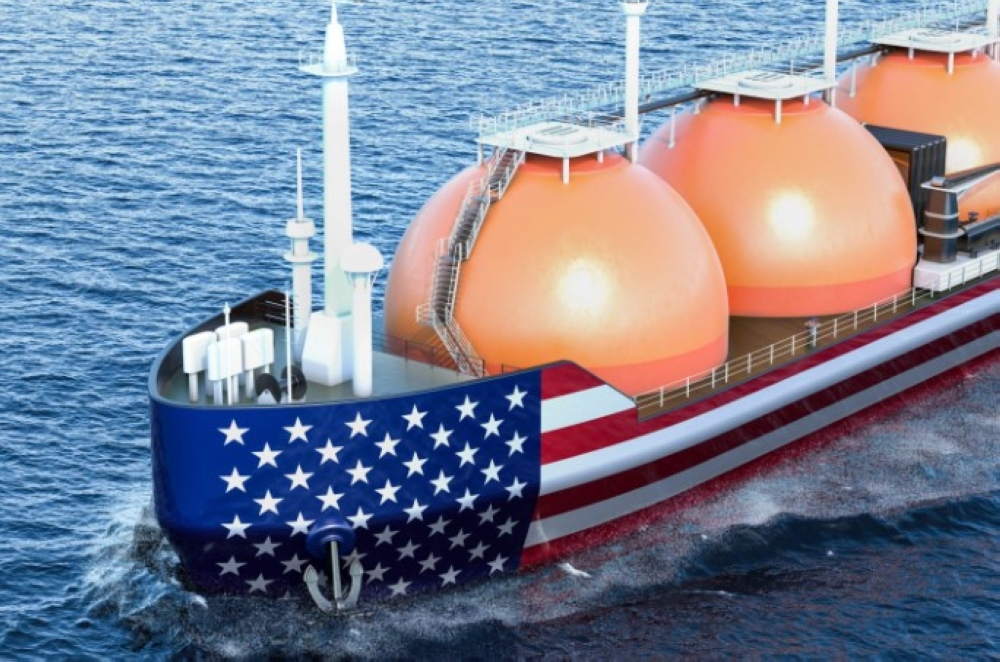
لفهم السياق الحالي، يجب العودة إلى ما قبل عام 2022، حيث كانت روسيا المورد الأكبر للغاز الطبيعي إلى أوروبا عبر شبكة واسعة من خطوط الأنابيب. لكن الغزو الروسي لأوكرانيا شكل نقطة تحول استراتيجية، إذ استخدمت موسكو إمدادات الطاقة كسلاح سياسي، مما دفع الاتحاد الأوروبي إلى البحث بشكل عاجل عن بدائل لتقليل اعتماده على الكرملين. في خضم هذه الأزمة، برزت الولايات المتحدة كشريك حيوي، حيث زادت بشكل كبير من صادراتها من الغاز الطبيعي المسال إلى أوروبا، لتصبح المورد الأول وتلعب دوراً محورياً في مساعدة القارة على تجاوز شتاء صعب وملء خزاناتها.
من شكر الحليف إلى الخوف من الاعتماد
على الرغم من الدور الأمريكي الحاسم، بدأت المخاوف تظهر بوضوح. صرح يورجنسن للصحفيين في بروكسل: “بينما يخفّض الاتحاد من وارداته من روسيا، تتزايد المخاوف، وأنا أيضًا أشعر بها، من الاستعاضة عن ارتهان بآخر”. هذه المخاوف يغذيها المشهد السياسي الأمريكي، خاصة مع احتمالية عودة ترامب إلى البيت الأبيض، والذي عُرف بنهجه “أمريكا أولاً” وتشكيكه في التحالفات التقليدية. فالتهديدات السابقة بفرض رسوم جمركية أو ربط الدعم الأمني بمسائل تجارية تجعل من الاعتماد على حليف واحد، مهما كان قوياً، مخاطرة استراتيجية لا يمكن تجاهلها.
استراتيجية بروكسل لتنويع المصادر
لمواجهة هذا التحدي، أكد يورجنسن، الذي شغل سابقاً منصب وزير الطاقة في الدنمارك، أن بروكسل “تبحث عن بدائل” لتعزيز أمن طاقتها. وأشار إلى أن هناك محادثات جارية مع شركاء محتملين وموثوقين مثل كندا، وقطر التي تعد من أكبر منتجي الغاز المسال في العالم، بالإضافة إلى دول في شمال إفريقيا يمكنها زيادة صادراتها عبر خطوط الأنابيب القائمة. وأضاف: “سأجري في الأشهر المقبلة اجتماعات مع بلدان كثيرة على صلة بهذه المسألة، وأيضًا بعض الزيارات إلى هذه الدول بهدف تحسين العلاقات”. الهدف ليس قطع العلاقات التجارية مع الولايات المتحدة، بل بناء محفظة متنوعة من الموردين تقلل من المخاطر وتمنح أوروبا مرونة أكبر في مواجهة أي صدمات مستقبلية.
التأثيرات الاقتصادية والجيوسياسية المتوقعة
هذا التوجه الأوروبي نحو التنويع يحمل في طياته تداعيات مهمة على الصعيدين الإقليمي والدولي. فعلى المستوى الأوروبي، يعزز هذا المسار من “الاستقلالية الاستراتيجية” للقارة، وهو هدف طالما سعى إليه الاتحاد. أما دولياً، فقد يؤدي إلى زيادة المنافسة في سوق الغاز الطبيعي المسال العالمي. كما قد يثير هذا التحرك حفيظة واشنطن، خاصة في ظل اتفاقات سابقة تعهد فيها الاتحاد الأوروبي بشراء كميات كبيرة من الطاقة الأمريكية. إن سعي أوروبا لتأمين مستقبلها الطاقوي هو رسالة واضحة بأنها تعلمت من دروس الماضي، وأن أمن الطاقة لم يعد مجرد قضية اقتصادية، بل هو ركيزة أساسية للأمن القومي والسيادة السياسية.