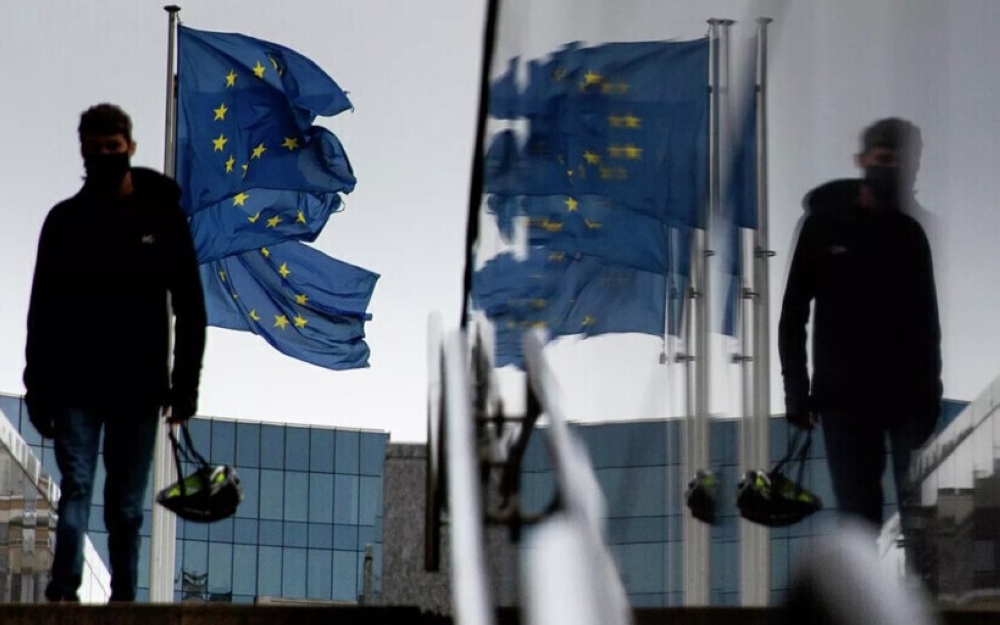
The European Parliament recently approved a package of strict measures aimed at regulating and restricting immigration to Europe , a move reflecting a radical shift in European asylum policy. These measures included support for the creation of so-called “return centers,” facilities designed to send irregular migrants to countries outside the EU while their asylum applications are processed or they are ultimately deported. This move came in response to mounting pressure from a majority of member states and with strong support from right-wing and far-right MEPs, who celebrated the vote with enthusiastic applause in the parliament chamber, highlighting the sharp political divisions surrounding this sensitive issue.
The historical context of the development of immigration policies to Europe
The refugee and migrant crisis was not a sudden occurrence, but rather the culmination of long-standing conflicts and economic crises in the Middle East and Africa. Since the major migration crisis of 2015, when Europe received more than a million refugees, European countries began reviewing their border policies. Over the past years, the European Commission has sought to strike a balance between humanitarian obligations and border protection. However, the rise of right-wing parties in several European countries has led to the adoption of more stringent rhetoric. The idea of “return centers” outside borders is not entirely new; it was inspired by previous models, such as the controversial agreement between Italy and Albania. These policies aim to create a deterrent effect, preventing migrants from undertaking perilous journeys across the Mediterranean or by land.
Alarming figures and deadly routes for migrants
While the European Union tightens its measures, human tragedies continue to unfold along various migration routes. The UN's International Organization for Migration (IOM) reported a horrific record, documenting the deaths or disappearances of more than 900 migrants in the Red Sea during 2025, making it the deadliest year on record for the so-called "Eastern Route." This vital route connects the Horn of Africa to the Arabian Peninsula and is used annually by tens of thousands of migrants fleeing armed conflicts, natural disasters, and dire economic conditions in their home countries. They aspire to reach the oil-rich Gulf states in search of a better life, but they face human trafficking networks and harsh weather conditions that claim the lives of many before they reach their destination.
Expected repercussions of establishing return centers
The new decisions are expected to have far-reaching consequences at the local, regional, and international levels. Locally, within Europe, these measures may help alleviate the financial and administrative burden on the overcrowded asylum systems in first-country countries such as Italy, Greece, and Spain. Regionally, transferring migrants to third countries requires complex agreements with those countries, which could raise diplomatic and legal challenges, as well as concerns from human rights organizations regarding the guarantee of human rights and the provision of decent living conditions in these centers. Internationally, the European Union is sending a firm message that irregular entry will not necessarily lead to stability in Europe, which could alter global migration dynamics and push migrants to seek alternative routes, or pressure the international community to address the root causes of migration in countries of origin rather than relying solely on security and border solutions.