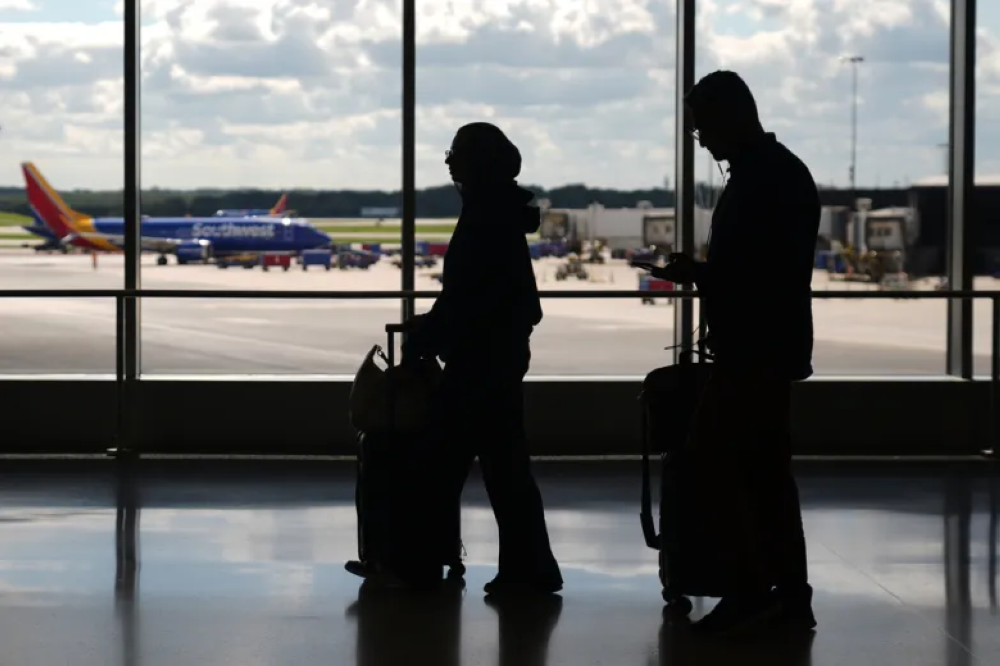
Europe is currently experiencing a severe crisis in its air transport sector, with widespread disruption to air traffic leading to partial paralysis at several key airports. Recent data shows 32 flights canceled and 402 delayed, leaving thousands of passengers stranded and disrupting travel schedules in major countries such as Belgium, Spain, France, and Finland.
Hotspots of tension in European airports
This chaos wasn't confined to minor airports; it struck at the heart of strategic international travel hubs. Key airports such as Istanbul's Sabiha Gökçen Airport, Madrid-Barajas Airport, Paris's Charles de Gaulle Airport, and Helsinki-Vantaa Airport all experienced immense operational strain. Field reports revealed suffocating congestion in departure and arrival halls, with a noticeable lack of logistical support for stranded passengers. In some cases, waiting times stretched for more than six hours, sparking widespread frustration and anger among travelers.
Context and reasons: Why is this happening now?
To understand this chaos, one must consider the broader context of the European aviation sector. The industry has been under mounting pressure since the post-pandemic recovery, with airlines struggling to balance increased demand and seasonal traffic with a severe shortage of flight crews and ground staff. These accumulated operational problems, coupled with technical challenges and maintenance workloads, have created a fragile environment, highly susceptible to any unforeseen event, where minor delays can escalate into a domino effect that disrupts the entire aviation network.
The repercussions of the crisis and travelers' rights
This disruption has repercussions that extend beyond mere flight delays; it negatively impacts the tourism and economic plans of affected countries, particularly during peak seasons. Under these circumstances, affected airlines have urged their passengers to stay updated through official apps. It is worth noting that European aviation regulations guarantee passengers specific rights in such situations, including rebooking on alternative flights, receiving financial compensation, and providing necessary support such as hotel accommodation and meal vouchers during extended layovers.
Looking ahead: Are there any solutions?
Observers and aviation experts believe that what happened represents a real wake-up call for the European aviation industry. It highlights the urgent need to enhance operational readiness, invest in airports' digital infrastructure, and fundamentally address the shortage of human resources. The continuation of these disruptions without structural solutions could threaten the reputation of European airports as global hubs and underscores the necessity of developing proactive crisis management strategies to prevent a recurrence of such chaotic scenarios in the future.