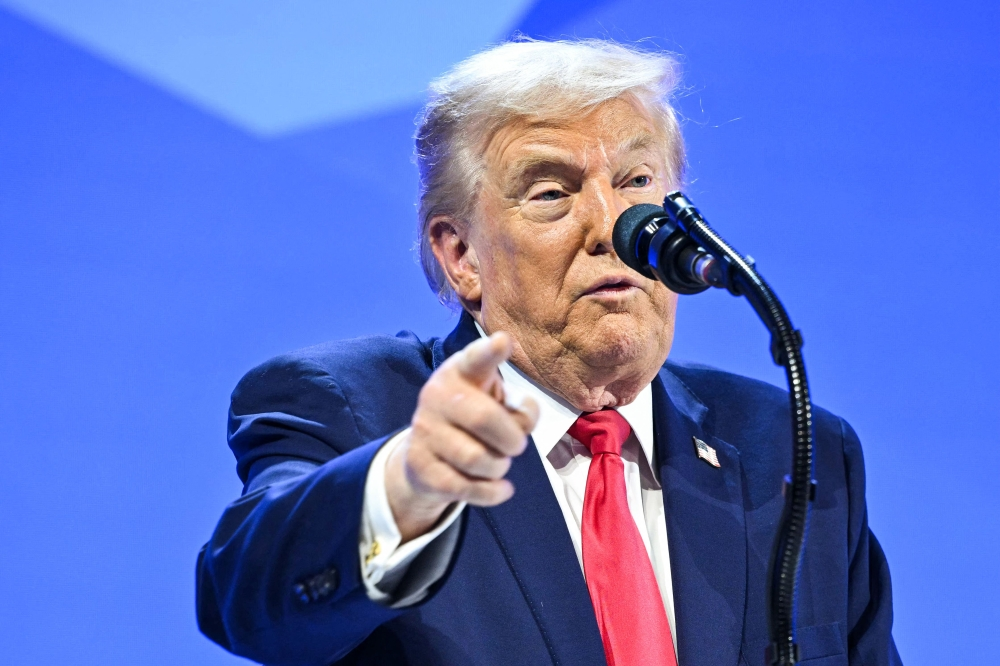
European Union leaders expressed their deep relief and welcomed US President Donald Trump's decision to back down from his threats to impose punitive tariffs on European countries, a crisis sparked by the Greenland issue. This official announcement came from European Council President António Costa on Thursday following a crucial EU summit in Brussels, describing the US move as a "positive" development that averts a costly trade war.
Background of the crisis and details of the decline
Costa emphasized at a press conference that "imposing any additional tariffs is fundamentally contrary to the spirit and letter of the existing trade agreements between the European Union and the United States." He indicated that the diplomatic focus should now be on further strengthening this strategic partnership, rather than undermining it. The European official added, "Our strategic objective remains to achieve genuine and sustainable stability in transatlantic trade relations.".
The roots of this tension lie in renewed US interest in purchasing Greenland, a self-governing territory of the Danish crown. Historically, this is not the first time Washington has expressed interest in the island, given its strategic location in the Arctic and its natural resources. However, the firm European and Danish rejection of the idea of "selling" the island has angered the US president, prompting him to threaten the use of tariffs as a tool of political and economic pressure.
The unified European stance against economic coercion
In a related development, Antonio Costa emphasized early Friday that the European Union would not stand idly by in the face of any future threats. He stated firmly that the EU would "defend itself" against "any form of economic coercion." This statement reflects the new European policy that has developed legal instruments, such as the Anti-Coercion Instrument, to enable the bloc to respond effectively to any external pressure targeting the sovereignty of its member states.
Costa explained after the summit dedicated to discussing European-American relations: "The European Union will continue to defend its vital interests and will strongly protect its member states, citizens and companies. We have the capacity and the means to do so, and we will not hesitate to activate them when the need arises.".
Economic and geopolitical importance
Trump's reversal of these tariffs is of paramount importance to the global economy, as trade relations between the United States and the European Union are the largest and most complex in the world. Any disruption to this vital trade artery would have led to higher prices for consumers, slower economic growth, and threats to global supply chains. Furthermore, the diplomatic resolution of the Greenland crisis reaffirms the importance of the Western alliance in addressing other geopolitical challenges, rather than engaging in internal conflicts that drain the energy of its allies.