European warning about the dangers of relying on American gas
European Energy Commissioner Dan Jorgensen expressed growing concern within the European Union that the continent could replace its long-standing dependence on Russian gas with a new and excessive reliance on liquefied natural gas (LNG) from the United States. Jorgensen's remarks, made in Brussels, highlighted the strategic challenges facing European energy security in the wake of major geopolitical shifts in the region.
Jørgensen said, “As the EU reduces its imports from Russia, concerns are growing—and I share these concerns—that one form of dependency will be replaced by another.” He noted that recent geopolitical turmoil has served as a “wake-up call,” emphasizing that the threats made by former US President Donald Trump regarding NATO have shaken the foundations of the transatlantic alliance and raised questions about the long-term reliability of its partners.
Background to the European energy crisis and the shift away from Russia
For decades, Europe has relied heavily on Russian natural gas supplies via a network of pipelines, making it vulnerable to political pressure. This vulnerability was starkly illustrated after Russia’s invasion of Ukraine in February 2012, when Moscow used energy as a political weapon, drastically reducing supplies and driving energy prices to record highs, threatening the stability of European economies. This dire reality prompted the European Union to take swift and decisive steps to end its dependence on Russian fossil fuels through an ambitious plan known as “REPowerEU,” which focused on diversifying energy sources, accelerating the transition to renewable energy, and increasing energy efficiency.
The importance of the transformation and its impact on global energy markets
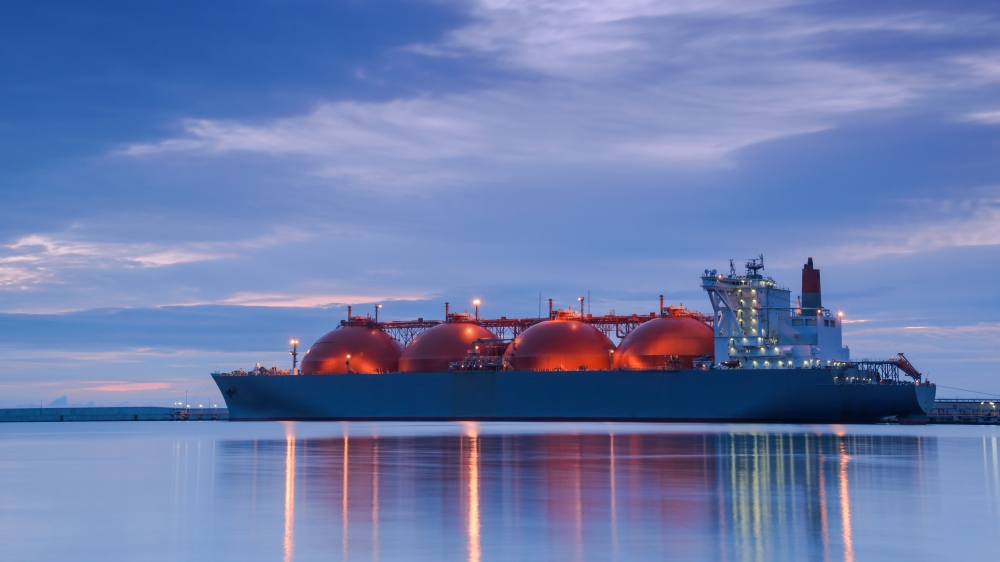
In its efforts to fill the gap left by Russian gas, Europe turned heavily to the global liquefied natural gas (LNG) market, with the United States emerging as the largest alternative supplier. US LNG exports to Europe surged, making Washington the continent's largest energy partner. While this shift was necessary to secure short-term supplies and weather a harsh winter, it also created a new set of challenges.
The main risk is that relying on a single source, even an ally, leaves Europe vulnerable to that country's internal political fluctuations. The upcoming US presidential election and its potential foreign policy shifts are a source of concern for policymakers in Brussels. Furthermore, liquefied natural gas (LNG) prices are tied to global markets and are far more volatile than long-term pipeline contracts, exposing European consumers and industries to global price volatility. The European warning aims to push member states to accelerate investment in clean, local energy sources, such as wind, solar, and green hydrogen, as the only sustainable solution to ensure long-term energy independence and security.